Get your free personalized podcast brief
We scan new podcasts and send you the top 5 insights daily.
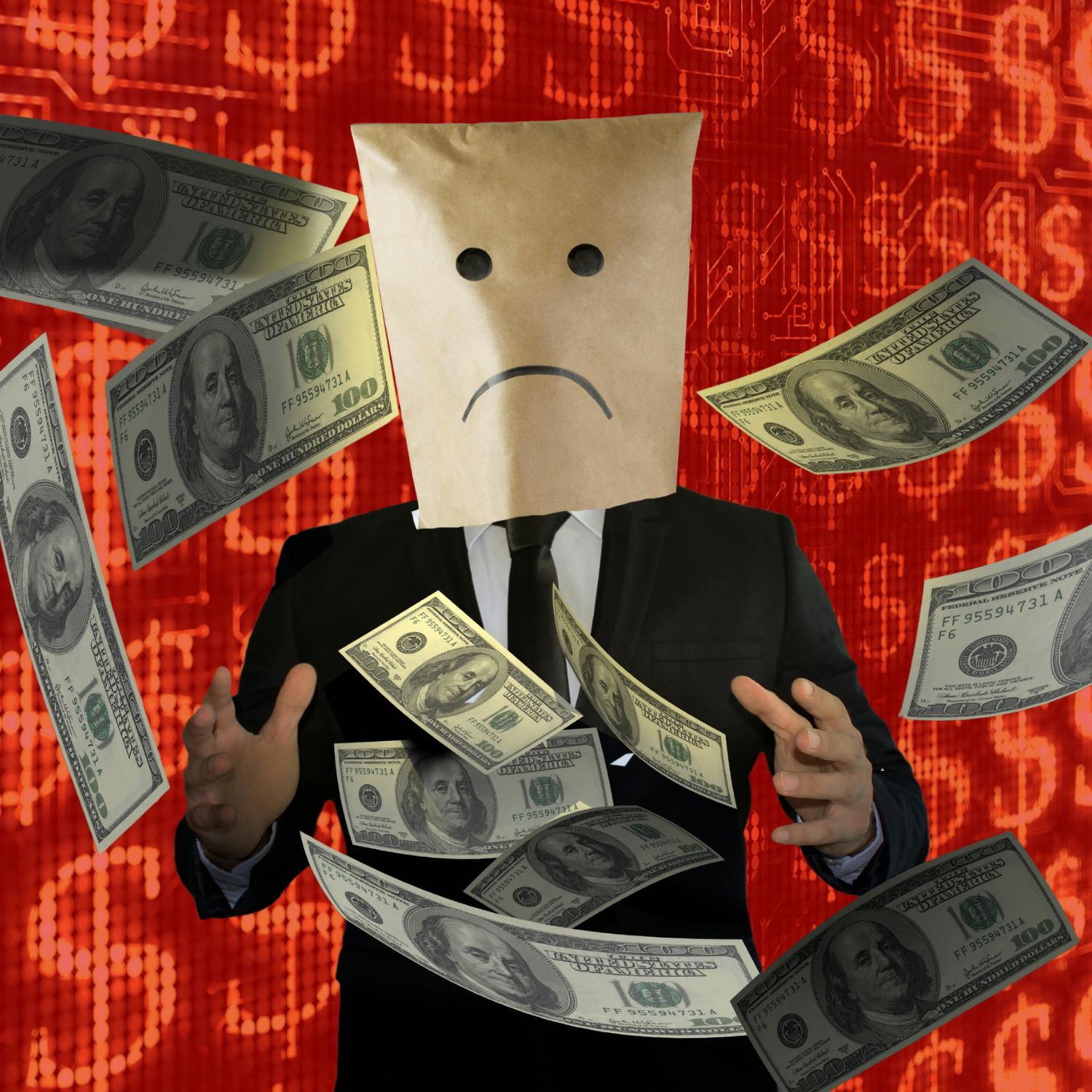
Historically, financial comparison was contained within socioeconomically similar neighborhoods. Social media removes these geographic and social barriers, constantly exposing individuals to global, hyper-affluent lifestyles. This distorts the perception of 'normal,' making luxury seem common and fueling widespread feelings of financial inadequacy.
Related Insights
A guest who grew up with a single mom and financial scarcity didn't become frugal. Instead, the feeling of 'never having enough' drove him to high-risk sports betting from age 15 in an attempt to quickly acquire the lifestyle he felt he was missing.

The desire to flaunt wealth isn't always about status; it can be an attempt to heal a deep-seated emotional wound from being 'snubbed' or feeling inadequate in the past. This behavior serves to prove to oneself, and others, that one has overcome a past social or economic scar.

Young people face a dual crisis: economic hardship and a psychological barrage from social media's curated success. This creates a "shame economy," where constant notifications of others' fake wealth intensify feelings of failure, loneliness, and anxiety more than any other societal factor.
The distorted perception of one's financial health, or 'money dysmorphia,' is not exclusive to the financially insecure. A significant portion of Americans earning over $100k annually do not consider themselves wealthy, revealing a stark disconnect between financial reality and perception fueled by online comparisons to extreme wealth.
Comparing your wealth and possessions to others is an endless, unwinnable cycle of jealousy. True financial contentment comes not from having more than others, but from using money as a tool for a better life, independent of social hierarchy.

A U.S. Bank survey reveals a "crisis of confidence" where individuals feel good about their personal financial habits but are paralyzed by external economic factors they can't control. This fear-induced "freezing" causes them to miss significant financial opportunities.
A major source of modern anxiety is the tendency to benchmark one's life against a minuscule fraction of outliers—the world's most famous and wealthy people. This creates a distorted view of success. Shifting focus to the vast majority of humanity provides a healthier perspective.

The discomfort felt by those from lower-income backgrounds around the wealthy is not just envy, but a deep-seated frustration. It stems from the belief that those who grew up with money can sympathize but never truly empathize with the constant stress and lack of a safety net that defines life without it.

Unprecedented global prosperity creates a vacuum of real adversity, leading people to invent anxieties and fixate on trivial problems. Lacking the perspective from genuine struggle, many complain about first-world issues while ignoring their immense privilege, leading to a state where things are 'so good, it's bad.'
Modern advertising weaponizes fear to generate sales. By creating or amplifying insecurities about health, social status, or safety, companies manufacture a problem that their product can conveniently solve, contributing to a baseline level of societal anxiety for commercial gain.