Get your free personalized podcast brief
We scan new podcasts and send you the top 5 insights daily.
Instead of feeling intimidated, economist Steve Levitt felt "pure joy" when realizing he was surrounded by brilliant people at MIT. Because his identity was rooted in being different rather than being the smartest, he could revel in learning from peers without his ego feeling threatened.

Related Insights
Individuals praised for being smart often develop an identity they feel compelled to protect. This makes them avoid challenges or asking basic questions where they might "look dumb," ultimately hindering their ability to learn and make good decisions.

Tying self-worth to being 'smart' is fragile. Bilyeu built his self-esteem around being 'the learner.' This makes criticism a gift that strengthens him by revealing knowledge gaps, creating an anti-fragile identity that thrives on challenges and accelerates growth.

Attending a top-tier university often creates imposter syndrome. Rather than a negative, this experience is valuable. It forces students to learn from peers, develop humility, and understand the importance of surrounding themselves with smarter people—a crucial skill for any ambitious career path.

When thrust into unfamiliar or intimidating settings, pretending to be an anthropologist can dissolve imposter syndrome. This mental shift reframes the situation from a personal performance test into a field study. It transforms discomfort into curiosity, allowing you to observe, take mental notes, and feel like you belong.
Leno believes his "low self-esteem" is a professional advantage. By assuming he's not the smartest person in the room, he remains open to expert advice and empowers his team, fostering a culture where anyone can voice concerns for a better final product.

Don't avoid rooms where you feel like an imposter. That feeling of being "out of your league" is a strong indicator that you're in an aspirational environment. This discomfort is a prerequisite for normalizing a higher level of success and accelerating your growth.

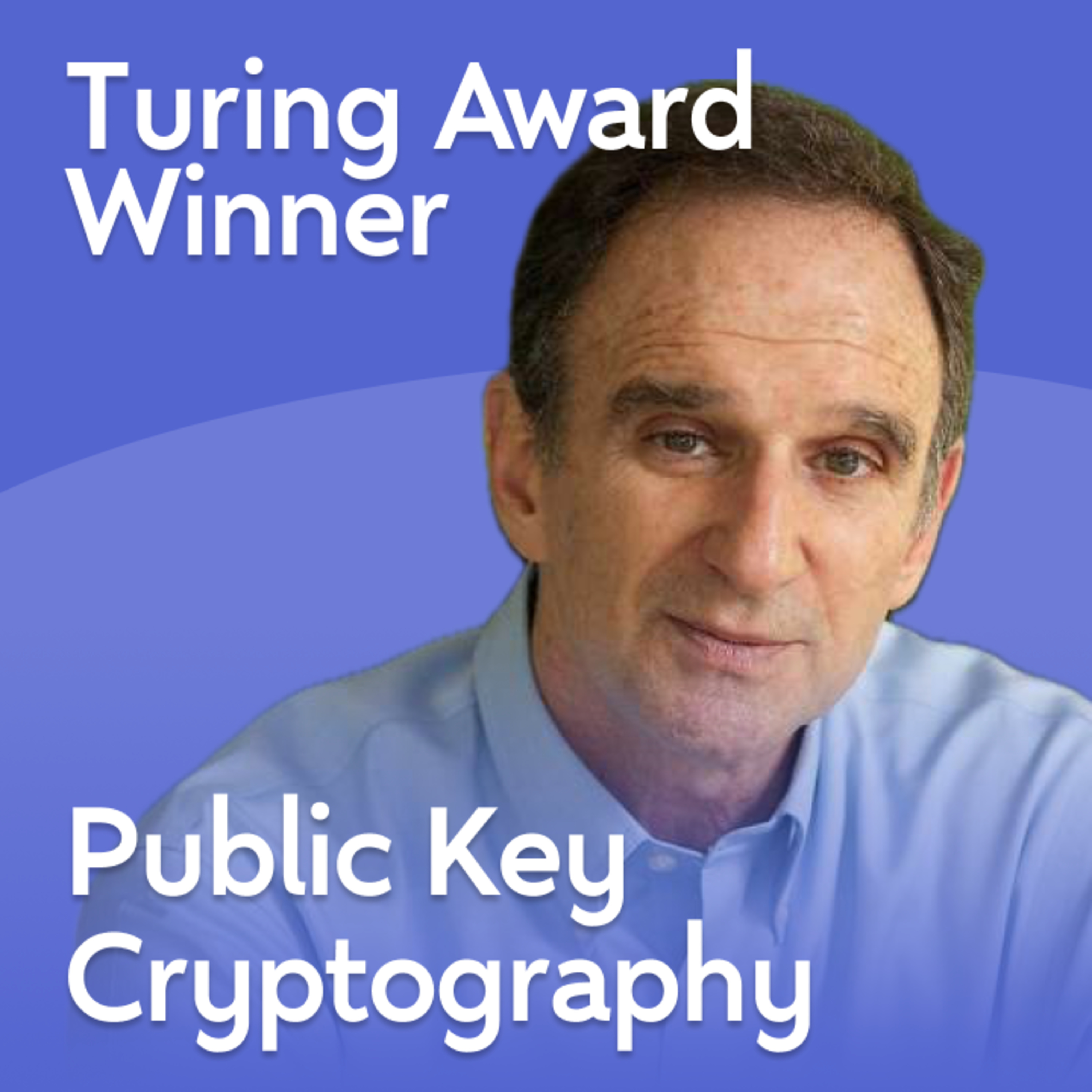
Martin Hellman credits his willingness to pursue cryptography, which colleagues called "crazy," to his childhood experience of being an outsider. This mindset transformed external skepticism from a deterrent into an attraction, fostering the resilience needed for radical innovation.
While psychology warns against tying your identity to your work to avoid pain from failure, high performers do exactly that. They embrace identities like "I am a writer" because this personal attachment makes excellence non-negotiable and prevents them from simply "going through the motions."

Feeling like you don't fully belong to any single group—be it cultural or professional—can be an advantage. It allows you to operate in a "gray area," designing your own unique identity and synthesizing strengths from different worlds without being constrained by any one of them.

A Johns Hopkins study found that participants made to feel left out were more creative. However, this boost only applied to those with an "independent self-concept"—people who already took pride in not belonging. For this group, rejection acts as a mental catalyst for new ideas.
