Get your free personalized podcast brief
We scan new podcasts and send you the top 5 insights daily.
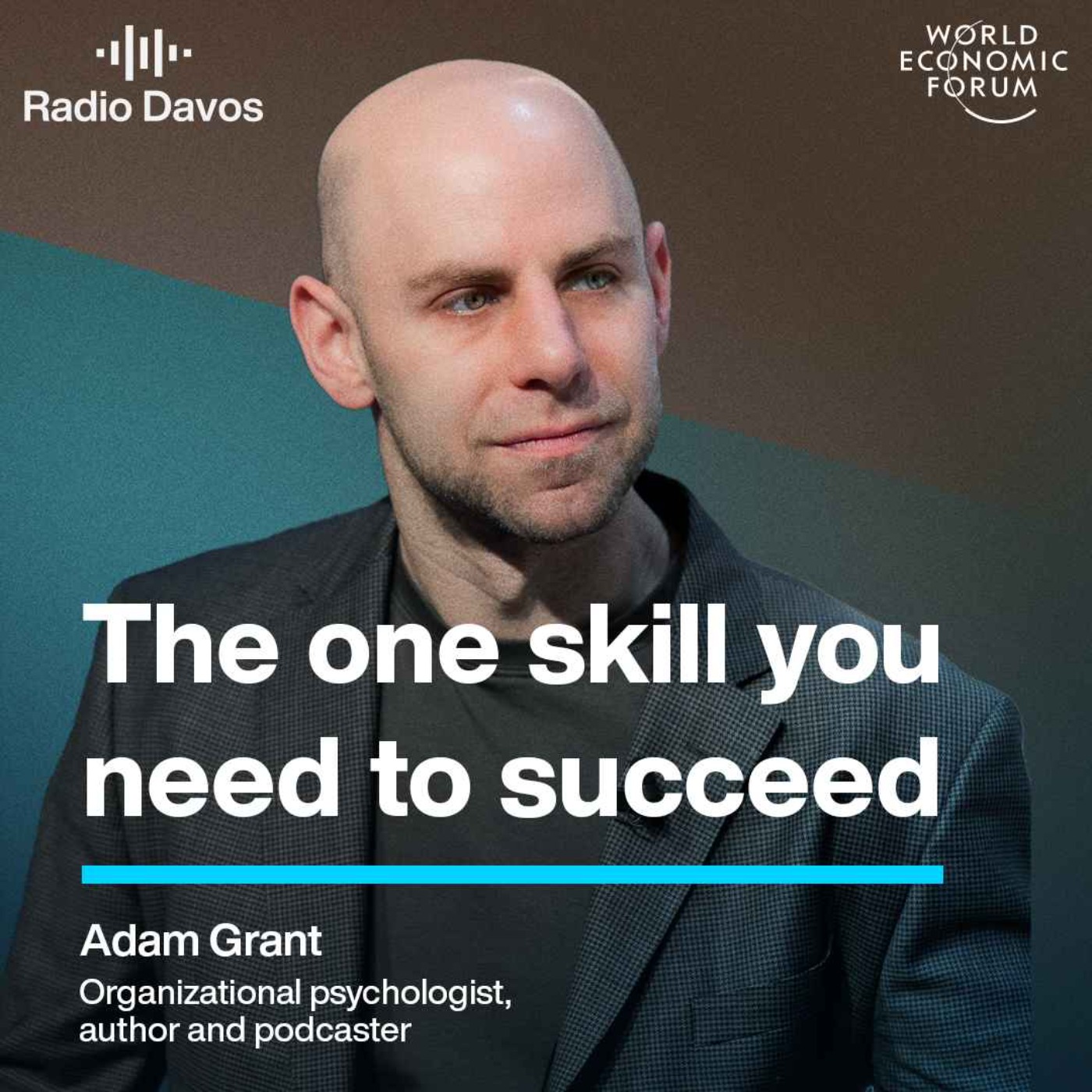
Adam Grant volunteered for friends' guest lectures because those talks felt high-stakes yet wouldn't affect his future teaching evaluations. After repeated exposure and hostile feedback forms, he realized confidence came from taking action, not waiting to feel confident first.

Related Insights
The intense pressure to speak perfectly consumes mental energy and paradoxically hinders performance. By lowering the stakes and aiming for 'mediocrity,' you reduce self-judgment and free up cognitive bandwidth to focus on the message. This mindset shift allows you to perform more effectively and confidently.
Success requires resilience, which is built by experiencing and recovering from small failures. Engaging in activities with public stakes, like sports or public speaking, teaches you to handle losses, bounce back quickly, and develop the mental fortitude needed for high-stakes endeavors.

Podcast founder Kirill Kurenkov realized that waiting to feel "ready" is a trap. He overcame his initial shyness and imposter syndrome by simply starting and persistently doing the work. This "fake it till you make it" approach proves that capability is built through action, not prolonged preparation.

People wait to feel confident before starting, but genuine confidence is built only through doing, failing, and learning. High achievers particularly struggle with this, as they are uncomfortable with being a beginner. Action must come first; confidence will follow.

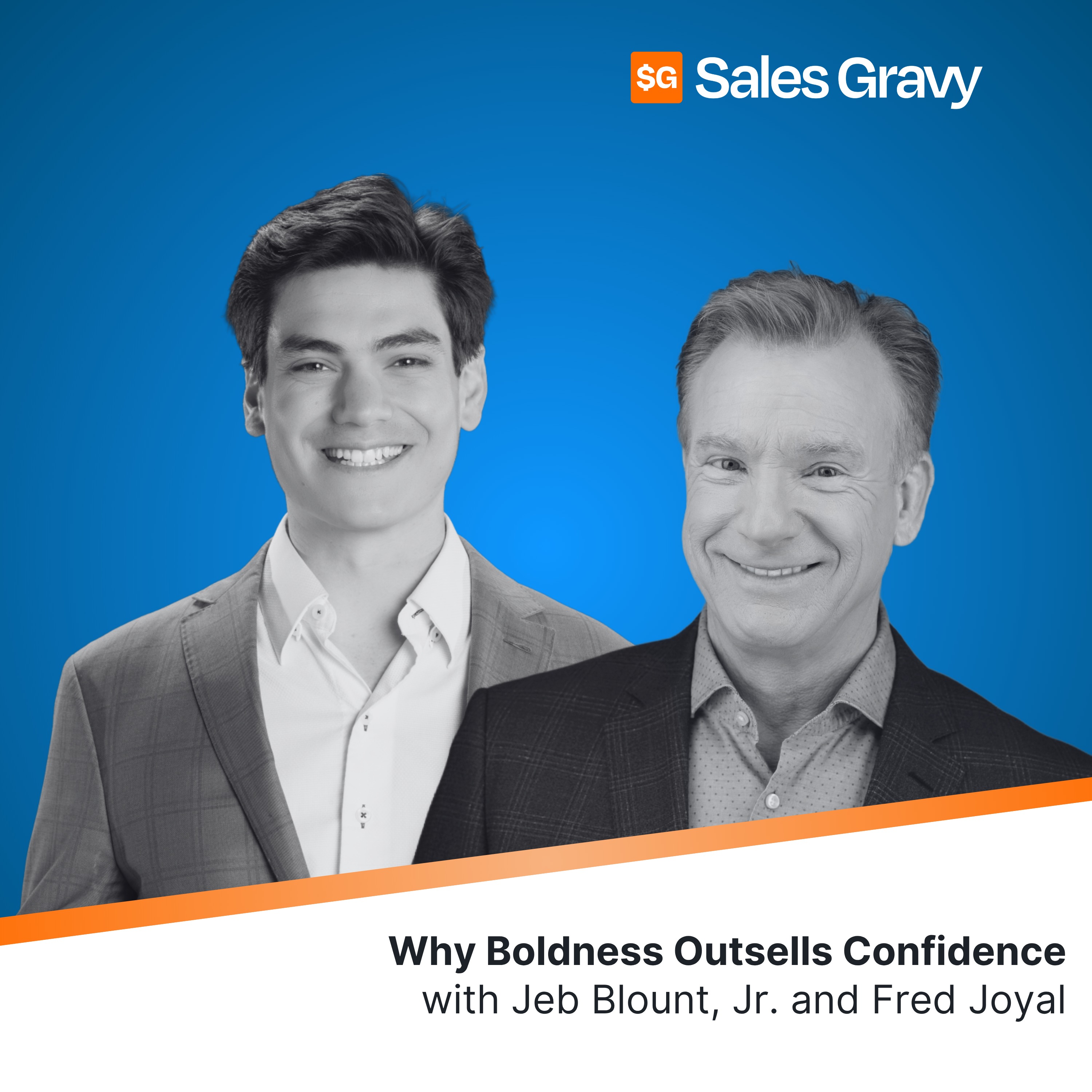
Similar to weightlifting where the 'most important rep is the one you can't do,' building boldness requires aiming for failure. Fred Joyal advises practicing uncomfortable actions where consequences are minimal (e.g., role-playing) so that boldness becomes reflexive when the stakes are high.
Most people incorrectly wait to feel confident before acting. Confidence is the outcome of taking small actions and proving competence to yourself. The crucial prerequisite is self-trust—the belief you can handle any outcome—which empowers you to take that first uncertain step.

Many professionals believe they must feel confident before taking a risk. However, boldness expert Fred Joyal argues the reverse is true: taking uncomfortable, bold actions is what builds genuine confidence. Confidence is the result of an expanded comfort zone, not a prerequisite for action.
Vague goals like "build confidence" are ineffective. Instead, identify a specific fear and create a daily micro-action that forces you to face it (e.g., asking a stranger a question). This consistent, uncomfortable practice desensitizes you to the fear and builds genuine confidence through action, not just thought.

Stop waiting for confidence to act. Confidence is not a prerequisite but a result. Taking action, even when you feel incompetent, builds skills. This competence is what ultimately generates authentic confidence.

Many people delay taking risks until they feel confident. Organizational psychologist Adam Grant argues this is backward. Drawing from his experience as a diver, he states that confidence is a byproduct of taking the leap and acting, not a prerequisite for it. Action must precede confidence.