Get your free personalized podcast brief
We scan new podcasts and send you the top 5 insights daily.
Podcast founder Kirill Kurenkov realized that waiting to feel "ready" is a trap. He overcame his initial shyness and imposter syndrome by simply starting and persistently doing the work. This "fake it till you make it" approach proves that capability is built through action, not prolonged preparation.

Related Insights
Stephan delayed starting his YouTube channel for years because he felt unqualified. He finally acted by shifting his mindset from "Am I ready?" to "Will I regret not doing this later?" This focus on avoiding future regret propelled him into action.

Yul Kwon learned from his brother that pretending to be confident creates a positive feedback loop. The external validation received from acting confident gradually builds genuine, internal self-assurance—a concept known as "fake it till you make it."

Most people incorrectly wait to feel confident before acting. Confidence is the outcome of taking small actions and proving competence to yourself. The crucial prerequisite is self-trust—the belief you can handle any outcome—which empowers you to take that first uncertain step.

Waiting to overcome fear before pursuing new ventures is a recipe for stagnation. Pushing beyond your comfort zone is naturally terrifying, but it's also exhilarating and essential for growth. The key is to act in spite of the fear, because that is when you are most alive and your potential expands.

Do not wait to feel confident before you start a new venture. Confidence isn't something you find; it's something you build through the repetitive act of showing up and doing the work, even when you're terrified. It is a result of consistent courage, not a cause of it.

People mistakenly wait for confidence before taking action. In reality, confidence is an outcome, not a prerequisite. The necessary first step is courage—the willingness to act despite fear and uncertainty. Confidence is only earned through that courageous action.

Stop waiting for confidence to act. Confidence is not a prerequisite but a result. Taking action, even when you feel incompetent, builds skills. This competence is what ultimately generates authentic confidence.

Many people delay taking risks until they feel confident. Organizational psychologist Adam Grant argues this is backward. Drawing from his experience as a diver, he states that confidence is a byproduct of taking the leap and acting, not a prerequisite for it. Action must precede confidence.
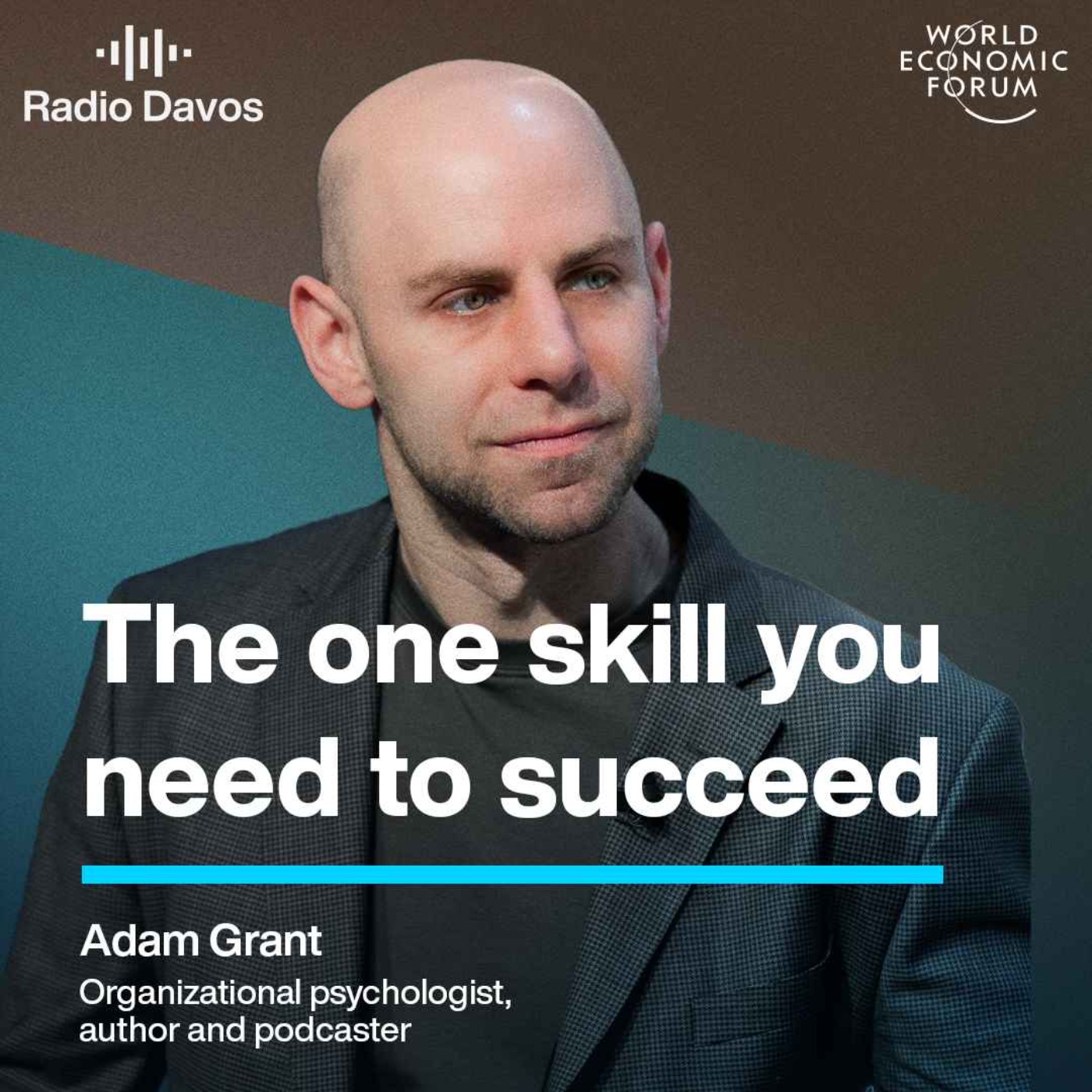
Waiting to feel 'ready' or confident before starting something new is a trap. Fear is an invitation to move forward, not a stop sign. Courage is taking action despite the fear. The confidence you seek is earned *after* you've taken the leap and learned from the experience.

Instead of letting imposter syndrome paralyze you, treat it as a set of hypotheses to disprove. When thoughts of inadequacy arise ('I'm not good enough for this job'), frame your goal as gathering evidence to the contrary through your performance. This shifts the focus from fear to action.