Get your free personalized podcast brief
We scan new podcasts and send you the top 5 insights daily.
Contrary to her modern image, Emily Bronte was described as difficult, antisocial, and held conservative "high Tory" political views. She was reportedly snobbish, unfashionable, and even violent, a complex personality that resists easy categorization as a proto-feminist hero.

Related Insights
Emily Bronte's confusing use of repeated names (e.g., Catherine and Cathy) is a deliberate literary device, not lazy writing. This "compulsive repetition" functions like a Greek tragedy, trapping characters in dark cycles of hatred and obligation that are passed down through generations.
Contrary to the popular image, Joan of Arc was not a shepherdess and displayed a degree of class consciousness about it. During her trial, she insisted she was a spinner and sewer—a more respectable trade—and challenged the court women to match her skill, revealing a pride in her higher-than-lowest-peasant status.

The societal message that women should be quieter or less bold is a historical strategy for control. This fear is rooted in the perceived "safety" of conforming to unnatural, prescribed roles, making women believe the problem is with them, not the system.

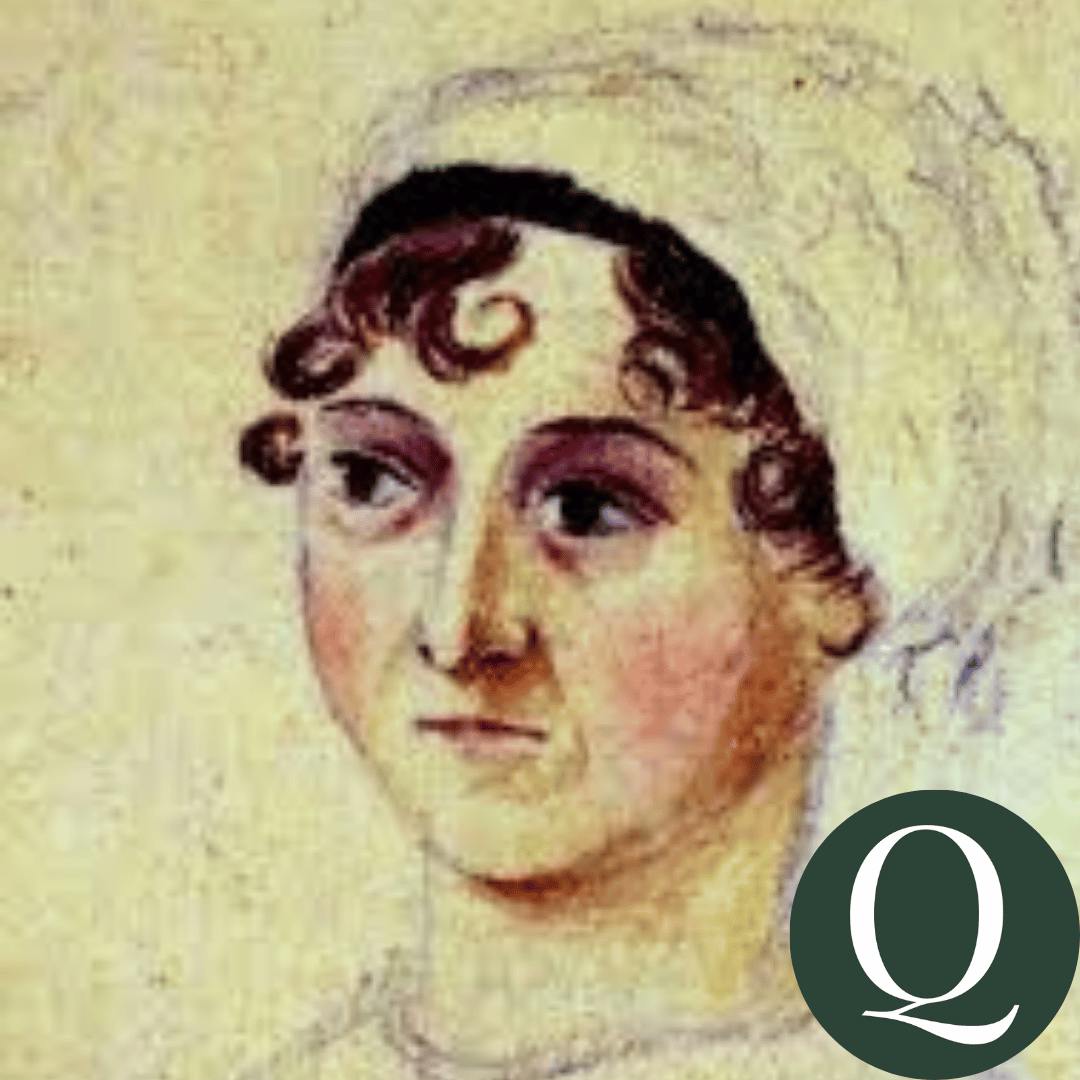
Despite her reputation for conservative subject matter, Austen's technical audacity was unprecedented. She introduced narrative techniques like free indirect style to English fiction, making her a true experimental writer of her time, developing these innovations in isolation without a literary community for feedback.
Women are often taught that there is virtue in not taking credit and staying in the background. This social conditioning encourages self-erasure, preventing them from claiming their power and perpetuating a system where their contributions are overlooked.
Influential mothers of civil rights leaders like MLK Jr. were actively erased from historical accounts by scholars, despite their sons crediting them. This isn't an accidental omission but a strategic act to maintain a male-centric view of power and prevent new models of leadership from emerging.
Virginia Woolf’s "A Room of One's Own" shifted the conversation about women in literature from abstract potential to concrete necessities. She argued that financial independence and a private space are the fundamental prerequisites for creative work, a practical reality often ignored in high-minded literary discourse.

The romantic image of the Brontes as isolated figures on the moors is misleading. Their household subscribed to literary journals, and their childhood fantasy worlds were set in locations like the Pacific and featured contemporary figures like the Duke of Wellington, revealing their engagement with global affairs.
Contrary to its modern, somewhat endearing meaning, the term "bookworm" was originally a pejorative. It compared people who read excessively to insects that burrowed into and damaged books. It was an early equivalent of telling someone to "touch grass" or that they have "brain rot" from media consumption.

Despite popular perception, often shaped by film adaptations, Emily Bronte's novel is not a traditional love story. At its core, it is a shockingly violent and complex narrative about cycles of vengeance, abuse, and obsession, more akin to a Greek tragedy than a romance.