Get your free personalized podcast brief
We scan new podcasts and send you the top 5 insights daily.
18th-century novels created a new literary form that explored the passions and ordinary lives of individuals. This cultural shift elevated the private sphere, previously considered unimportant, into a subject of value, fascination, and social anxiety.

Related Insights
The national outrage over the British government opening an Italian nationalist's mail showcased a profound cultural shift. Victorian society had begun to view private correspondence as sacred and inviolable, a concept foreign to earlier eras.
The dramatic tension in 19th-century novels hinges on the near-impossibility of divorce. Marriage was an irreversible, high-stakes decision, making courtship the central drama. The speaker jokes that while liberal divorce laws benefited society, they were "very bad for the English novel" because they removed this fundamental, life-altering conflict.
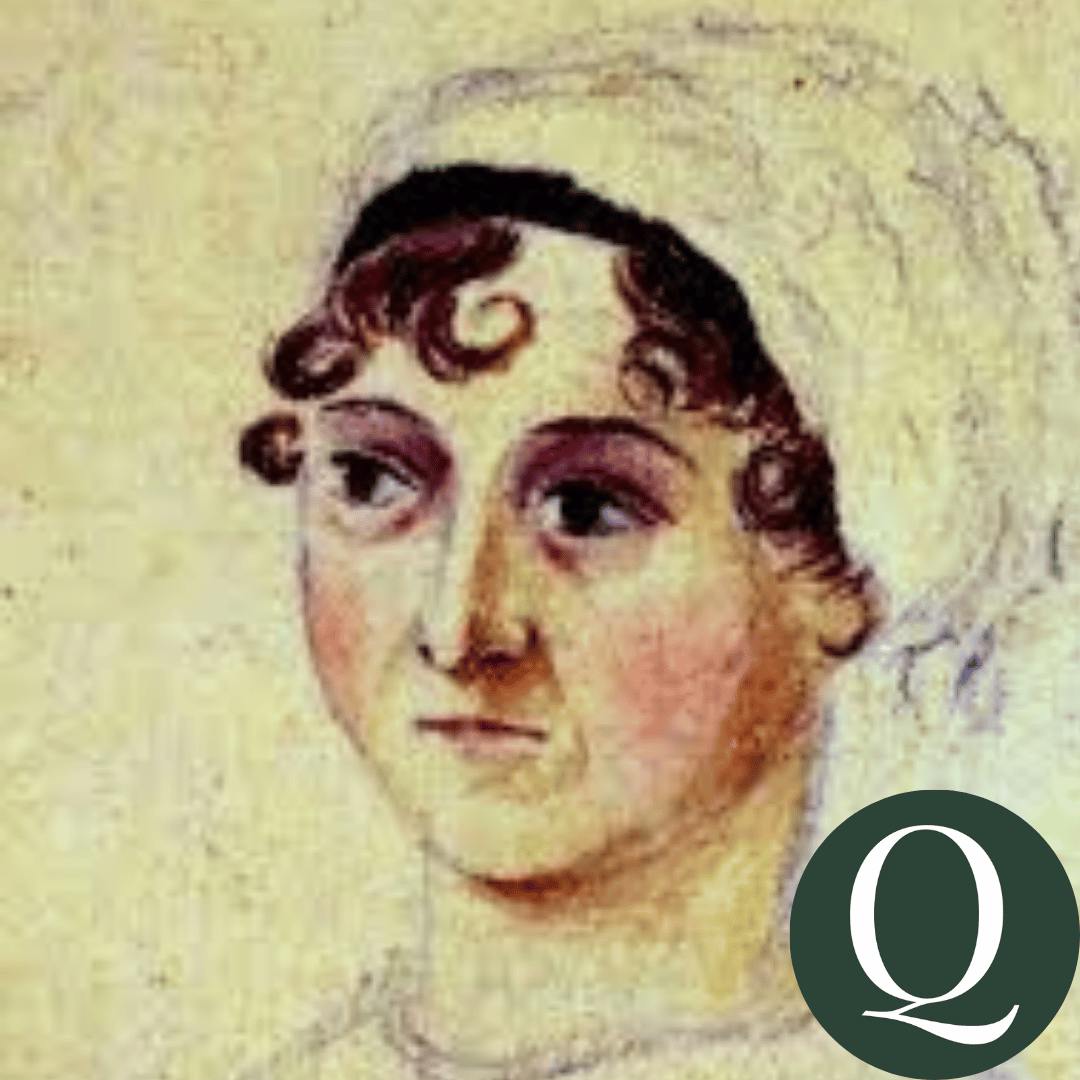
Despite her reputation for conservative subject matter, Austen's technical audacity was unprecedented. She introduced narrative techniques like free indirect style to English fiction, making her a true experimental writer of her time, developing these innovations in isolation without a literary community for feedback.
Historically, marriage was a pragmatic institution for resource sharing, political alliances, and acquiring in-laws. The now-dominant concept of marrying for love and personal attraction is a relatively recent cultural development, primarily from the 18th and 19th centuries.

Austen's work possesses a unique duality: it is accessible enough for a 13-year-old to enjoy, yet so layered with technical and psychological complexity that scholars can reread it for a lifetime and continually discover new nuances. This blend of superficial simplicity and deep sophistication is her singular achievement.
Virginia Woolf’s "A Room of One's Own" shifted the conversation about women in literature from abstract potential to concrete necessities. She argued that financial independence and a private space are the fundamental prerequisites for creative work, a practical reality often ignored in high-minded literary discourse.

Jilly Cooper's popularity stemmed from more than her famously steamy novels. Her writing captured the dual burden of women in a post-sexual but pre-domestic revolution world, reflecting anxieties about housekeeping and social pressures alongside romance, making a generation feel truly seen.

Before the 17th century, there was little distinction between public and private life. Communities were legally compelled to police their neighbors' morality, and solitude was associated with evil and suspicion, not sanctuary.
Long novels, now the gold standard for deep focus, were once considered dangerous “junk food” that distracted people from prayer and duty. This historical pattern suggests our current panic over digital media may be similarly shortsighted and lacking perspective.

Epitaphs reveal a major cultural shift. Renaissance tombstones listed public roles like 'courtier and soldier,' while 18th-century ones began prioritizing private identities like 'loving husband and father,' a reversal that continues today.