Get your free personalized podcast brief
We scan new podcasts and send you the top 5 insights daily.
Major policy shifts are often best enacted by unexpected political figures (e.g., Nixon in China). Similarly, left-leaning governments can push through tough fiscal austerity because they are immune to accusations of being anti-worker from their own base, a critique that would cripple a right-wing government.

Related Insights
Citing a Baltic state's successful IMF program, Lagarde reveals the key to implementing difficult reforms is not fighting unions, but including them from the start. Sharing challenges and goals builds the necessary consensus for smoother, more durable change.

During economic crises, the most important qualities in a leader are the intelligence to engineer a sound economy and the ability to unite people. Partisan fighters who create conflict worsen economic outcomes, regardless of their specific policies.

Despite Javier Milei's iconoclastic image, his economic program is run by a highly respected, conventional team of technocrats, many from the previous reformist administration. This creates a separation between his "Trumpy" political style and the orthodox, IMF-style stabilization policies being implemented.

Just as a parent uses discipline to keep a child on the right path, leaders must use unpopular but necessary fiscal measures (like balancing the budget) to ensure a country's long-term health, even if it's not what the populace wants in the short term.

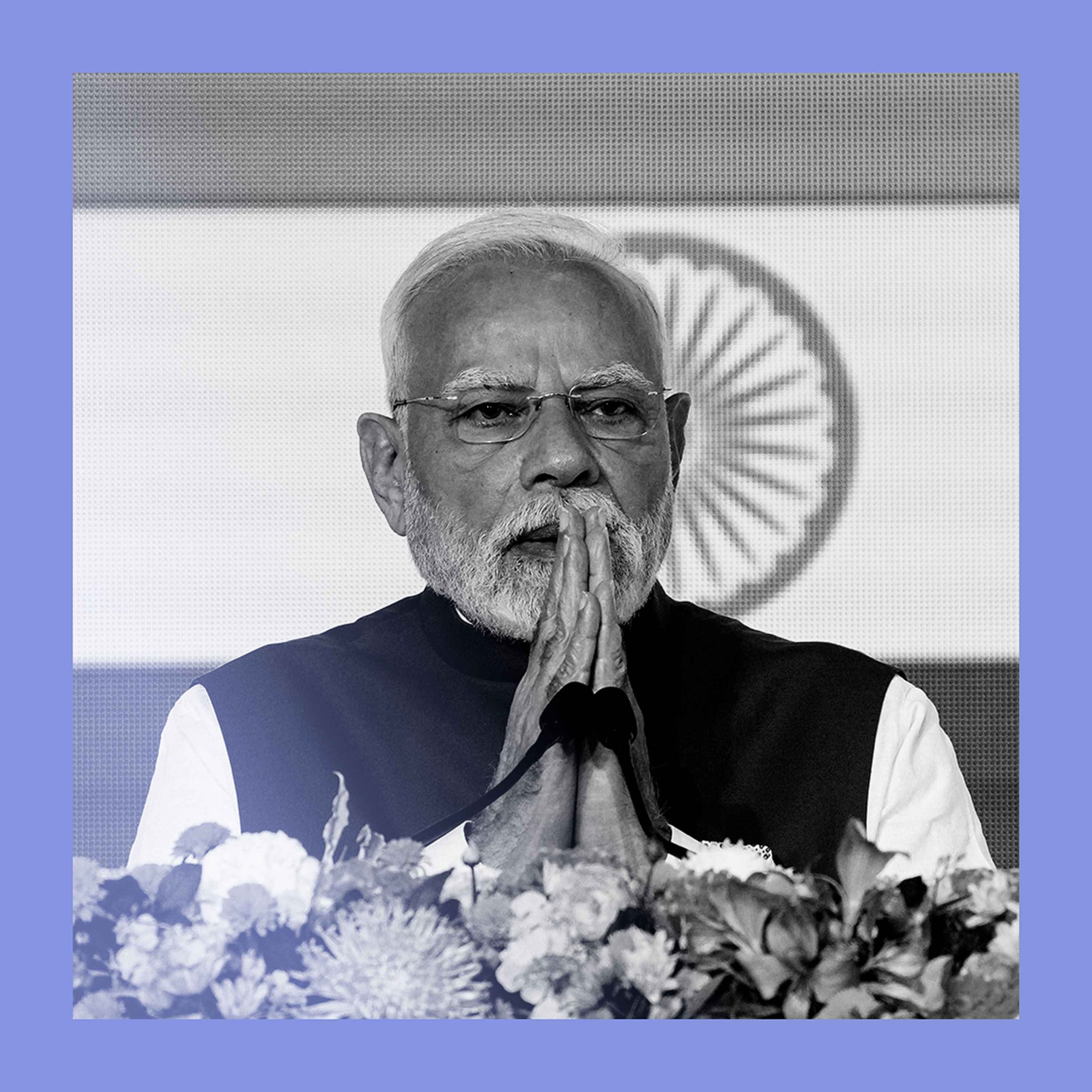
After a disappointing 2024 election where his party lost its majority, Narendra Modi shifted focus from a divisive cultural agenda to pragmatic economic reforms. This includes simplifying taxes, overhauling labor laws, and securing trade deals, a move that has helped him regain political dominance and respond to voter concerns about inflation.
Contrary to market fears of undisciplined spending akin to 'Abenomics', Prime Minister Takaichi's initial policy platform suggests a focus on targeted income redistribution. Policies like a refundable credit tax system and cutting unnecessary subsidies indicate a fiscally neutral or even tighter stance, rather than net fiscal expansion.

In a democracy with massive debt, reckless government spending becomes inevitable. The electorate will consistently vote for short-term relief (money printing, free programs) over the long-term pain of austerity, making fiscal irresponsibility a predictable outcome of human nature.

Unlike countries with no recent memory of economic collapse, nations like Greece, Spain, and Italy—and potentially now Argentina—that have endured hyperinflation are more likely to elect reformist governments. The population internalizes the cost of fiscal irresponsibility and votes to avoid repeating the disaster.
Instead of attacking wealth, a more effective progressive strategy is to champion aggressive, 'hardcore' capitalism while implementing high, Reagan-era tax rates on the resulting gains. This framework uses the engine of capitalism to generate wealth, which is then taxed heavily to fund public investments in infrastructure and education, creating a virtuous cycle.

No political leader, whether in a democracy or autocracy, will accept the short-term blame for an economic contraction. The path of least resistance is always to print money and hand out checks, even though it exacerbates the long-term problem.
