Get your free personalized podcast brief
We scan new podcasts and send you the top 5 insights daily.
Roblox's experience serves as a cautionary tale for platform economies. By incentivizing developers to maximize financial extraction rather than user engagement, they created a poor user experience that ultimately damaged their core business and destroyed shareholder value, forcing a painful pivot.

Related Insights
Roblox's leadership intentionally directs a larger portion of revenue back to its creator community rather than maximizing corporate profits. This strategy fosters a more engaged and innovative developer base, which in turn drives the platform's overall success and long-term defensibility.

Platforms follow a predictable cycle called 'inshittification.' First, they offer a great user experience to achieve scale. Next, they squeeze users to benefit advertisers. Finally, they squeeze advertisers to maximize their own profits. This model explains why platforms inevitably prioritize profit over user well-being and safety.

Platforms first attract users with quality service, then abuse them to benefit business customers, and finally exploit both groups to extract all value for themselves, leaving a degraded service.

Roblox's stock plummeted after it lost 12 million users, not from declining popularity, but from strictly enforcing its 13+ age policy via selfie video verification. This highlights the direct financial conflict platforms face between maximizing user growth metrics and responsibly implementing safety and compliance measures.

Before launching its economy, Roblox debated whether developers should earn money. The leadership team concluded that enabling creators to make a living would directly result in higher-quality, more engaging content on the platform, a bet that has clearly paid off.
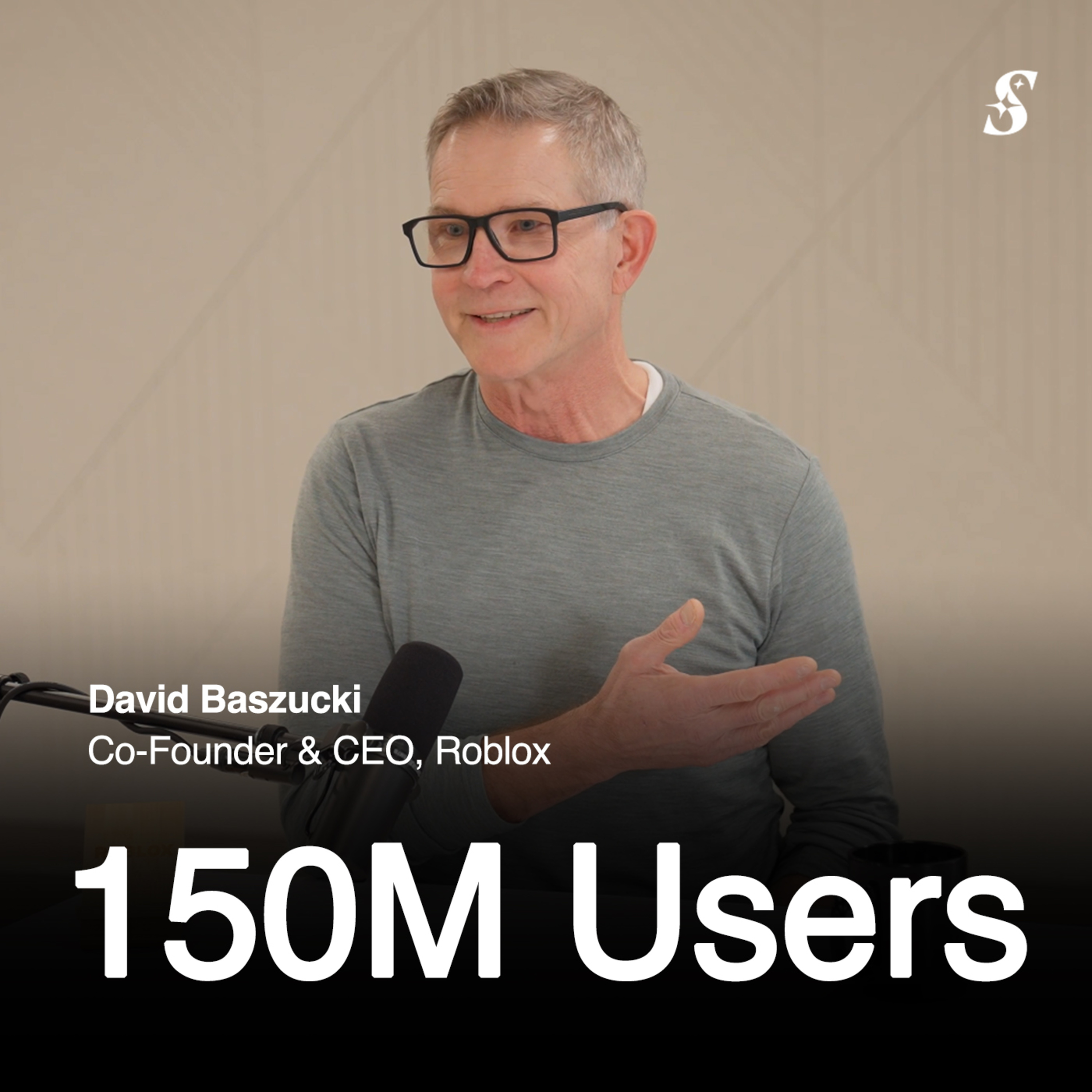
When revenue stalled, Roblox wasted months on small fixes. The real solution was a difficult strategic shift: creating the Robux virtual currency. This aligned creator incentives with platform growth and solved the root problem instead of tinkering with symptoms.
Platforms first attract users with good service, then lock them in. Next, they worsen the user experience to benefit business customers. Finally, they squeeze business customers, extracting all value for shareholders, leaving behind a dysfunctional service.

Roblox initially built platform-level features like clan rankings, which was a strategic misstep. They learned a platform's job is to provide tools and infrastructure, then trust its creators to build specific experiences, rather than trying to become a game developer itself.
Platforms first attract users with a great service, then pivot to monetizing those users for business customers, and finally extract all value for themselves, degrading the experience for everyone else. This cycle, termed "inshittification," is enabled by locking in users and businesses who become too dependent to leave.

Platforms first attract users with good service, then lock them in by creating high switching costs. Finally, they degrade the user experience to extract maximum value for business customers and shareholders, turning the platform into "a pile of shit."
