Get your free personalized podcast brief
We scan new podcasts and send you the top 5 insights daily.
Platforms first attract users with a great service, then pivot to monetizing those users for business customers, and finally extract all value for themselves, degrading the experience for everyone else. This cycle, termed "inshittification," is enabled by locking in users and businesses who become too dependent to leave.

Related Insights
Businesses become critically dependent on platforms for even a small fraction of their revenue (e.g., 20%). This 'monopsony power' creates a stronger lock-in than user network effects, as losing that customer base can bankrupt the business.

Platform decay isn't inevitable; it occurred because four historical checks and balances were removed. These were: robust antitrust enforcement preventing monopolies, regulation imposing penalties for bad behavior, a powerful tech workforce that could refuse unethical tasks, and technical interoperability that gave users control via third-party tools.
Widespread user complaints suggest Microsoft's Copilot is underperforming, yet the company continues to bundle it and raise prices. This is a classic incumbent strategy: leveraging a locked-in customer base to extract value from a subpar product rather than competing on quality and user experience, creating an opening for more agile competitors.

Platforms first attract users with good service, then lock them in. Next, they worsen the user experience to benefit business customers. Finally, they squeeze business customers, extracting all value for shareholders, leaving behind a dysfunctional service.
The idea of a truly "open web" was a brief historical moment. Powerful, proprietary "organizing layers" like search engines and app stores inevitably emerge to centralize ecosystems and capture value. Today's AI chatbots are simply the newest form of these organizing layers.
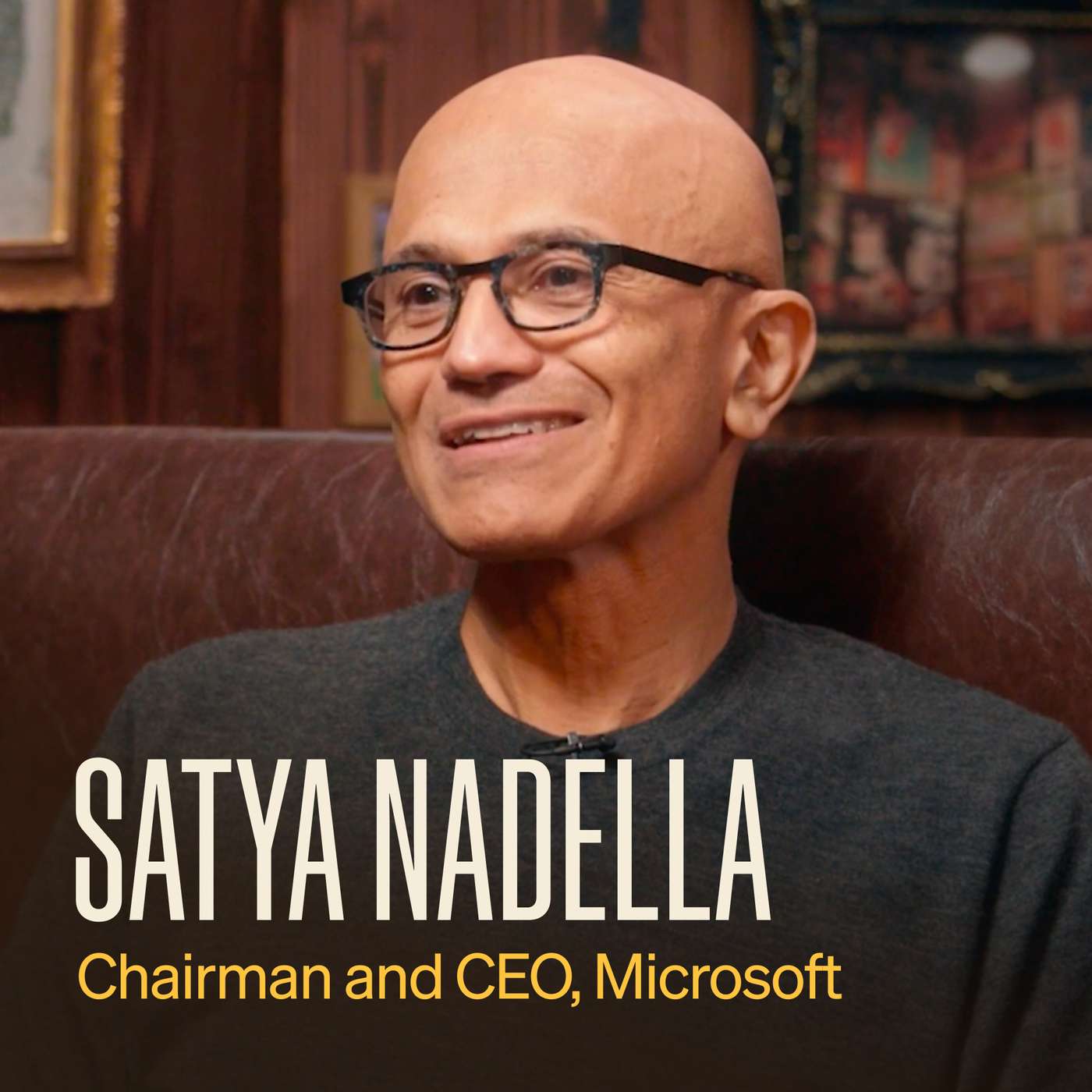
Social platforms are declining as places for genuine connection, shifting to AI-generated 'slop' and content from strangers. Their business model remains viable not by improving the user's social experience, but by using AI to become so effective at ad targeting that even mindless engagement is highly monetizable.

OpenAI's platform strategy, which centralizes app distribution through ChatGPT, mirrors Apple's iOS model. This creates a 'walled garden' that could follow Cory Doctorow's 'inshittification' pattern: initially benefiting users, then locking them in, and finally exploiting them once they cannot easily leave the ecosystem.

Avoid building your primary content presence on platforms like Medium or Quora. These platforms inevitably shift focus from serving users to serving advertisers and their own bottom line, ultimately degrading reach and control for creators. Use them as spokes, but always own your central content hub.

Many digital media companies chased massive scale by leveraging Google and Facebook. However, these audiences were never truly theirs, leading to a lack of loyalty and a flawed business model when the platforms' priorities shifted, revealing the audiences were just 'rented'.

When One7 Live's app catered only to big spenders ('whales'), it alienated new users, creating an existential threat. The solution wasn't a risky new product but a delicate surgery on the existing economy to incentivize streamers to reward non-spenders, ensuring a healthy user pipeline.
