Get your free personalized podcast brief
We scan new podcasts and send you the top 5 insights daily.
Instead of forcing conformity, create an environment where diverse specialists—the "wildflowers"—can thrive. The leader's job is not to standardize but to cultivate a space where each person's unique genius can flourish and interact, leading to more interesting outcomes.

Related Insights
True innovation stems from cognitive and interest diversity. Pairing passionate people from disparate fields—like AI and cheese—sparks more creative conversations and breakthroughs than grouping people with similar interests, which merely creates an echo chamber.

Rather than trying to become a well-rounded, traditional leader, Opendoor's CEO focuses on sharpening his unique "edges." He then surrounds himself with people who are "edgy" in complementary ways, creating a balanced team of focused experts rather than a bland group of generalists.
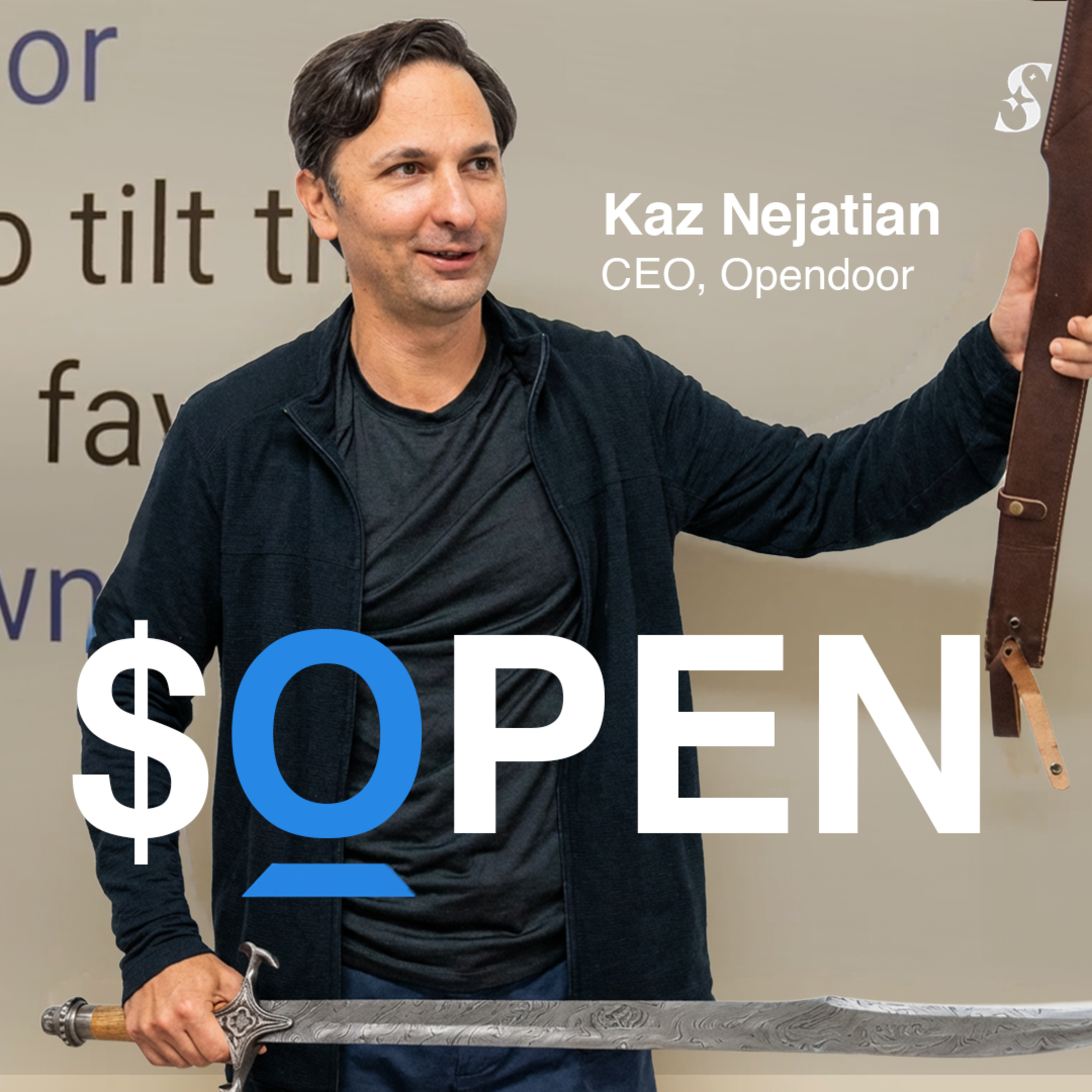
Leaders often undermine community by over-structuring outcomes. True flourishing happens when leaders have the patience to let a group struggle and self-organize, like Ed Catmull at Pixar. This necessary 'messiness' is not a problem but the doorway to a new, more vital system being born.

Hiring for "cultural fit" can lead to homogenous teams and groupthink. Instead, leaders should seek a "cultural complement"—candidates who align with core values but bring different perspectives and experiences, creating a richer and more innovative team alchemy.

Instead of trying to change your natural working style to fit a traditional leadership model, hire people whose styles are complementary. If you're a disorganized night owl, actively recruit organized night owls. This transforms perceived weaknesses into a unique cultural strength and attracts talent who thrive in that specific environment.

Using an LLM analogy, Daniel Ek seeks "high-temperature" people—individuals who might produce many bad ideas, but whose chaotic thinking also generates rare, brilliant insights. He prefers this variance to the reliable consistency of conformists, believing breakthroughs come from the fringe.

Instead of hiring designers with similar profiles for easier staffing, intentionally seek out diverse skill sets that fill existing gaps. This leads to more interesting collaboration, broader capabilities, and mutual respect within the team.
The common practice of hiring for "culture fit" creates homogenous teams that stifle creativity and produce the same results. To innovate, actively recruit people who challenge the status quo and think differently. A "culture mismatch" introduces the friction necessary for breakthrough ideas.

Instead of feeling frustrated by what team members lack, effective leaders focus on finding roles where their people's innate "encodings" can shine. This shifts the work from trying to change people to aligning their responsibilities with their natural capacities, leading to awe and gratitude rather than frustration.

At his first company, Hastings learned that treating software development like a manufacturing process with rules to reduce errors led to declining talent density. High-performers thrive in an environment of inspiration and creativity, not rigid processes that drive them out.
![Reed Hastings - Building Netflix - [Invest Like the Best, EP.453] thumbnail](https://megaphone.imgix.net/podcasts/2f1ecac4-e4ba-11f0-a8e8-777eb8de0c5a/image/28fb3c25b09448a35f17657a5e614900.jpg?ixlib=rails-4.3.1&max-w=3000&max-h=3000&fit=crop&auto=format,compress)