Get your free personalized podcast brief
We scan new podcasts and send you the top 5 insights daily.
Yahoo's CEO rejects the "media vs. tech" label, defining the company as a "product company." Their turnaround strategy treats brands like Yahoo Finance and Sports as independent businesses competing in their own categories, a conglomerate model that allows each unit to focus and innovate.

Related Insights
To create an integrated product suite, Cisco dismantled divisional silos and restructured into a platform-based organization. An org chart directly dictates product architecture, so leaders must design their organization to produce the desired integrated outcome, not just individual products.

Meta's rebrand from Facebook, much like Google's to Alphabet, was not just a name change. It was a strategic move to signal to both employees and the market that the company's ambitions extend beyond its original core product, creating the space and permission to build entirely new business lines.

Despite owning multiple related businesses (e.g., in video), Bending Spoons deliberately avoids forcing synergies like cross-selling or bundling. They believe the value lost in organizational agility, ownership, and speed far outweighs the small potential revenue gains. This 'Procter & Gamble for tech' model allows each brand to operate with startup-like autonomy, preserving its unique value.
Yahoo CEO Jim Lanzone asserts that the hardest asset to build from scratch is traffic. While a turnaround leader can fix products, re-energize a brand, and rebuild a team, starting without a significant, built-in audience is an almost insurmountable challenge for a struggling consumer internet company.

To succeed today, product companies must also be media companies. Instead of solely relying on buying advertising, brands need to create and distribute their own content through owned channels. This strategy builds a direct relationship with the community, fosters loyalty, and creates a more sustainable marketing engine.

The term "product strategy" can create silos, suggesting it's separate from the business's main goals. Instead, frame it as the "product plan" for executing a unified business strategy. This reinforces a "one team" mentality across all departments.

Block restructured from divisional GMs to a functional organization (Engineering, Product, Design) across all brands. This creates a single shared roadmap and forces alignment, enabling cross-unit collaboration that was difficult when incentives were siloed in separate P&Ls.

Treat organizational structure as a product designed to solve a business problem. The combined CPTO role isn't inherently good or bad; it is often a specific solution for when a non-technical CEO needs a single, decisive tie-breaker between product and technology.

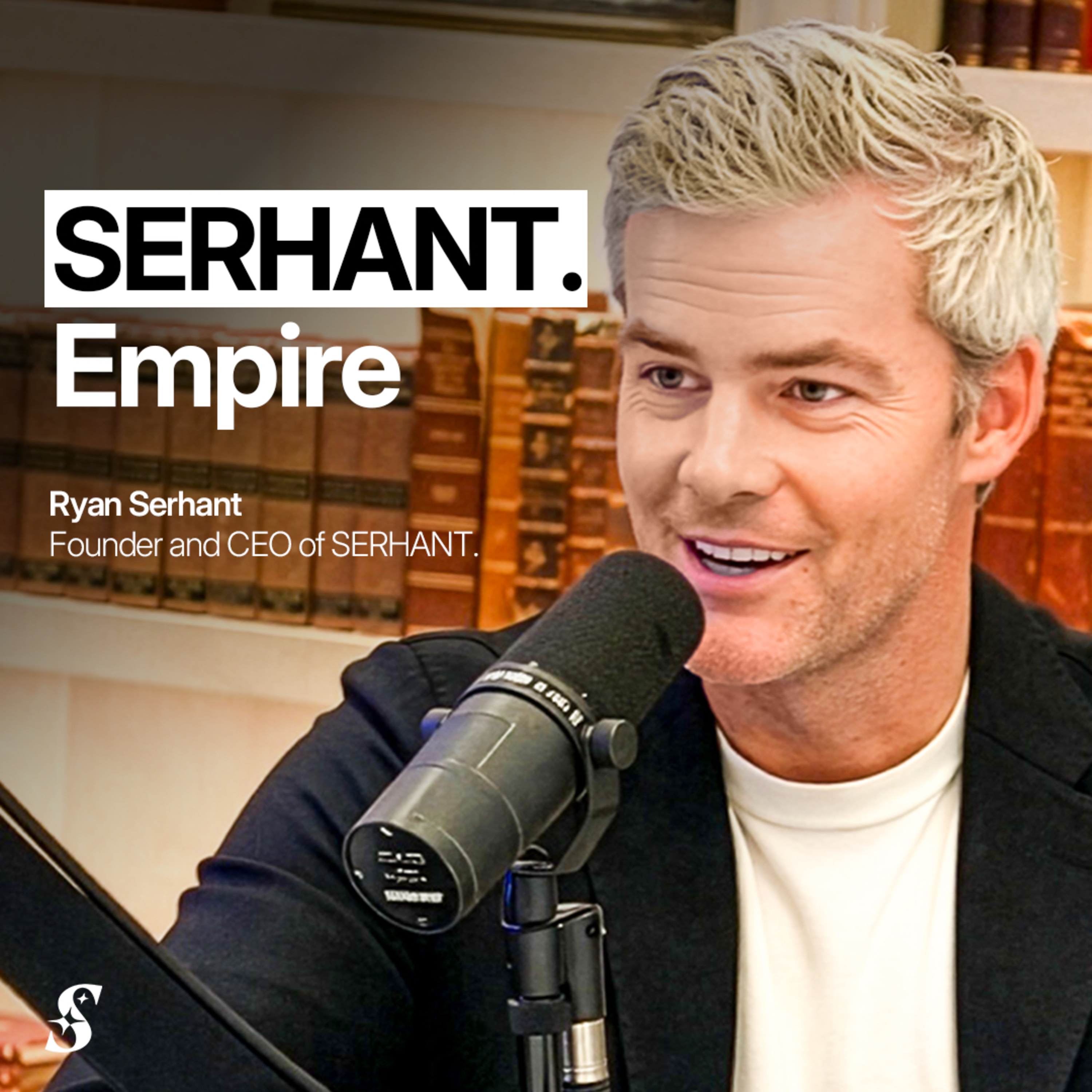
Ryan Serhant reframed his company not as a real estate firm using media, but a media company selling real estate. This core purpose informs hiring, product development, and strategy, enabling expansion beyond its initial vertical. The brand's primary function is content creation and audience aggregation.
A critical, non-visible step in Yahoo's turnaround was a complete overhaul of its revenue engine. The company swapped out 10-15 years of legacy ad tech in 2023, a foundational move that had to be completed before it could begin rebuilding its consumer-facing products.