Get your free personalized podcast brief
We scan new podcasts and send you the top 5 insights daily.
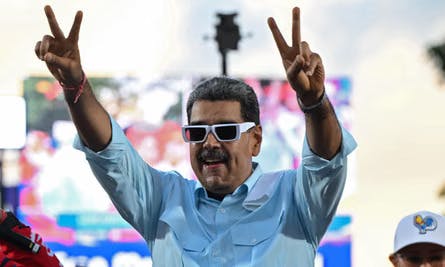
The administration's aggressive posture in Latin America is framed not by traditional security interests but by a desire to curb migration. This reflects a core white nationalist belief that demographic shifts pose an existential threat to the US, making immigration control a primary national security objective, viewing Venezuela as an exporter of people, not oil.
Related Insights
The US foreign policy establishment is not driven by partisan ideology but by strategic interests. It will fund contradictory groups—from right-wing Ukrainian nationalists to progressive artists—if they serve the immediate goal of destabilizing a region to secure economic or military advantages.

The public narrative of fighting a "war on drugs" in Venezuela is a distraction. The true purpose of the US military consolidation in the Caribbean is to project power against China, which has massive investments, shipping routes, and influence in the region. The conflict is a strategic message in an undeclared cold war.

Resistance to mass immigration is often mislabeled as racism when it's a defense of cultural uniqueness. The core fear is that blending all cultures creates a bland 'beige' monolith, ultimately allowing the most aggressive and cohesive incoming culture to dominate.

The promise of asylum is a critical tool for gaining support and intelligence from local collaborators in hostile territories. Rescinding these promises, as threatened by Trump, eliminates this incentive, making it harder to recruit allies and directly putting U.S. service members in greater peril.

A new US national security document signals a radical foreign policy shift. It explicitly states the US will support "right wing, far right and populist right parties" in Europe that align with its anti-immigration stance, effectively interfering in the domestic politics of allied nations to promote a "MAGA like" Europe.
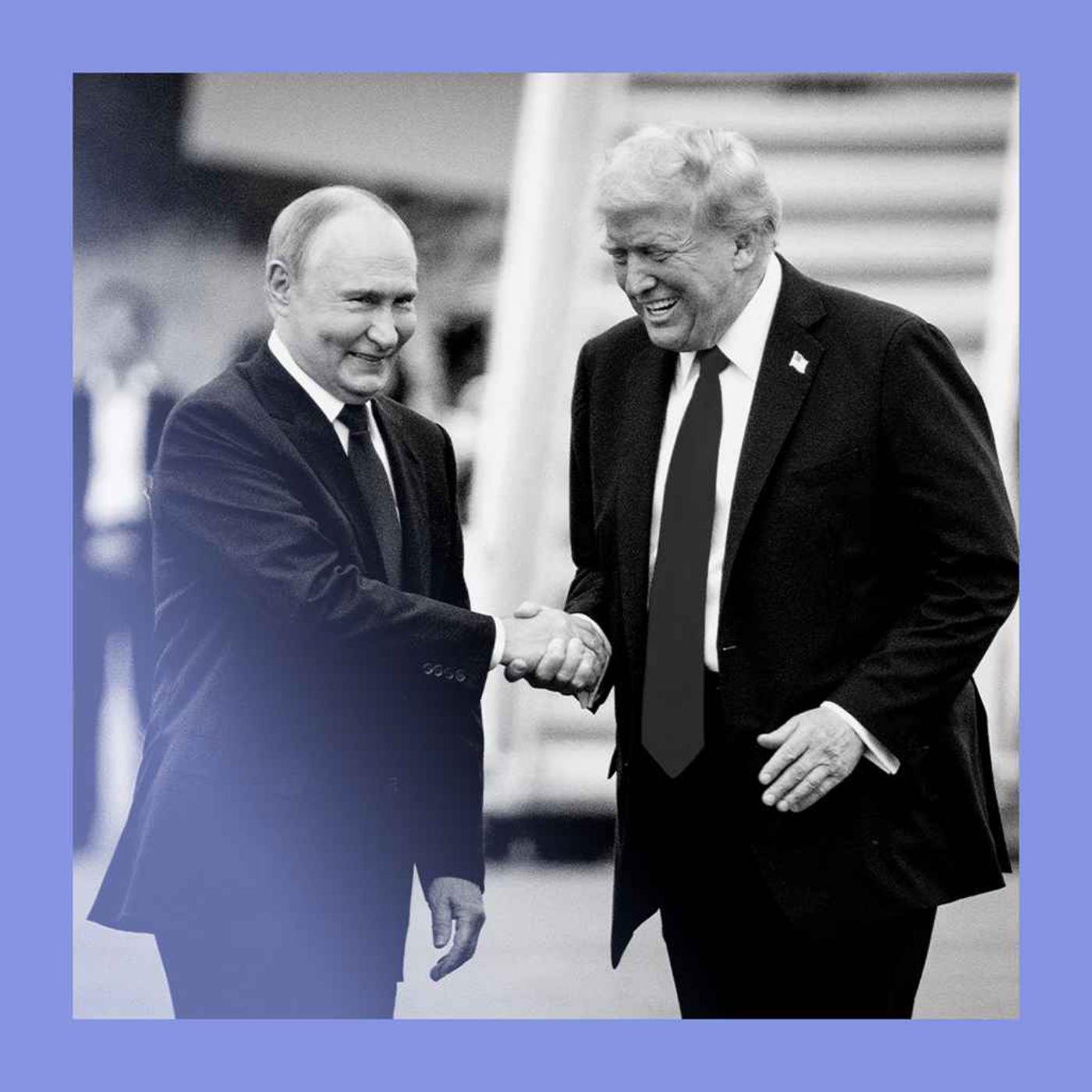
Despite an administration staffed by veterans weary of foreign entanglements, the U.S. has amassed its largest military force in the Caribbean since the Cuban Missile Crisis. This contradiction highlights a deep strategic incoherence, which the speaker calls a "strategic cacophony," making it difficult to formulate consistent national policy.

The public narrative of fighting narco-terrorism in Venezuela is a red herring. The true strategic goal is to justify a U.S. military presence in the Caribbean to counter China's growing economic and military investments in the region, including control of key shipping routes and military partnerships.
The conflict is not primarily about oil or drugs, but a strategic move to reassert U.S. dominance in the Western Hemisphere. As China solidifies its influence in the East, the U.S. is 'drawing a line' to counter China's partnerships (like with Venezuela) in its own sphere of influence.

A recurring political pattern involves well-intentioned progressive policies being implemented without regard for practical consequences (e.g., border management). This creates a political vacuum and public frustration that the far-right exploits, leading to a severe, often cruel, overcorrection that dismantles both the flawed policy and underlying positive intentions.
The Trump administration's renewed focus on Latin America, as detailed in its national security strategy, could inadvertently signal a reduced US geopolitical focus on China's sphere of influence. Beijing may interpret this as an opportunity to play the long game on Taiwan, avoiding immediate retaliation over Venezuela.
