Get your free personalized podcast brief
We scan new podcasts and send you the top 5 insights daily.
Don't treat marketing as an afterthought. Before building its FarmVille expansion, Zynga tested different art and messages as clickable, locked items in the existing game. This provided crucial validation and unintentionally generated $19M in pre-sales for early access keys.

Related Insights
Before committing to expensive TV ad production, Gab created multiple concepts and tested them using surveys sent to their target demographic. By asking questions about purchase intent after viewing a concept, they used data to select the most promising ideas, increasing the likelihood of success.
Before manufacturing a large batch of a product, validate demand by running inexpensive Meta ads to a small audience. This 'fire a bullet before you fire a cannonball' approach lets you gauge real customer interest by tracking clicks, proving the concept works before making a large financial commitment.

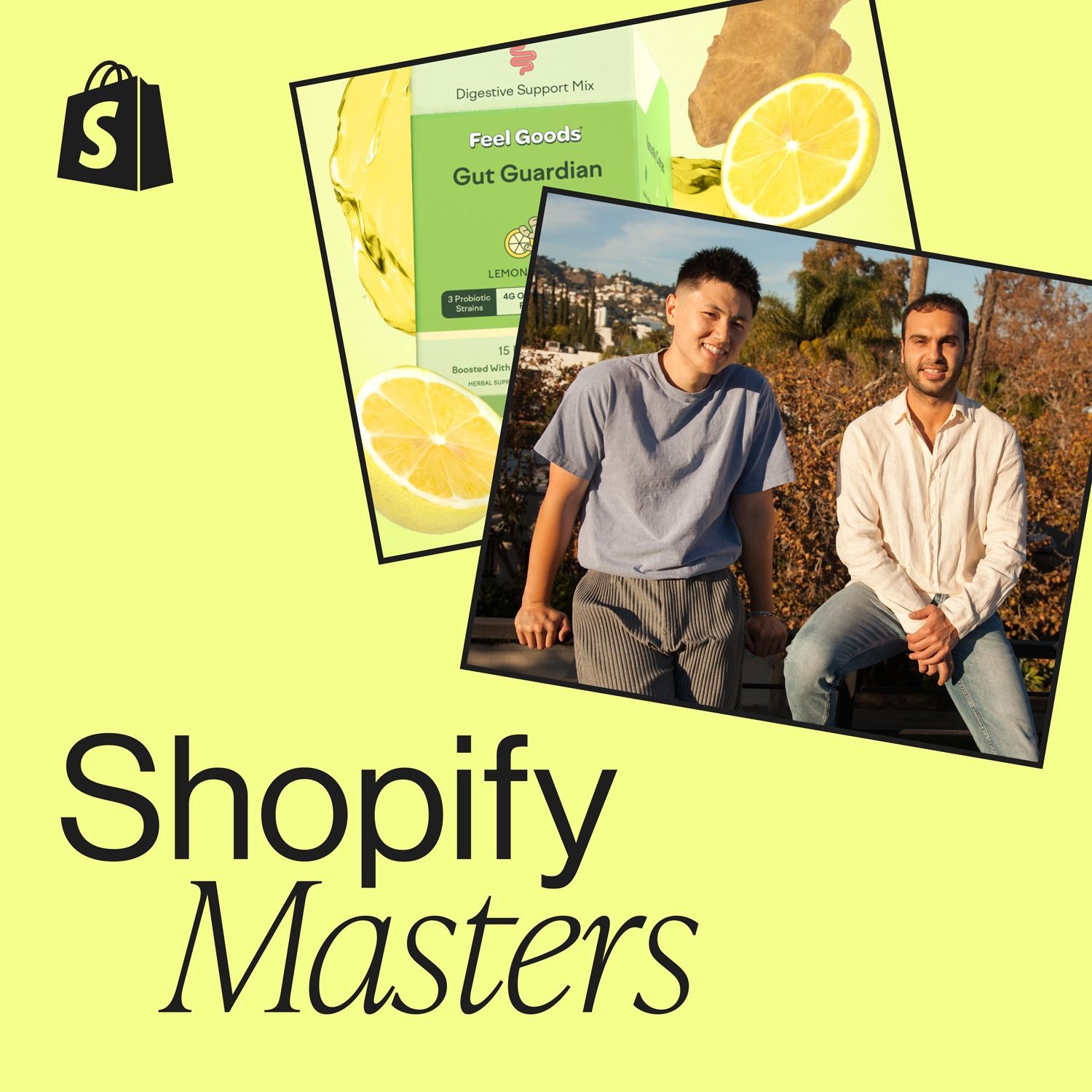
Before investing in production, Feel Goods created a basic landing page and ran ads to sell their conceptual product. They then refunded all orders, using the fake sales data to confirm real-world demand with minimal upfront cost and risk.
The Push-scroll app team first created a viral TikTok video pretending their app already existed. When the video confirmed massive demand, they built it. This "if they come, we will build it" approach inverts the traditional model and significantly de-risks development.

Validate business ideas by creating a fake prototype or wireframe and selling it to customers first. This confirms demand and secures revenue before you invest time and money into development, which the speaker identifies as the hardest part of validation.

To test an idea cheaply, create a waiting list campaign instead of building a product. The number of signups is a powerful validator of market demand. The speaker validated one idea with 4,500 signups, which helped raise £250,000 in a week.

Treat marketing creative like a ladder of validation. Test an idea as a tweet. If it gets engagement, expand it into an article. If that works, produce a video. This process of gathering feedback at each step ensures that by the time you create a high-cost asset like a TV ad, the core concept is already proven.

De-risk new product initiatives by validating them directly with the market using low-fidelity prototypes like sketches. By building a following and an adoption list before development begins, you create undeniable proof of demand that can overcome internal resistance and ensure a successful launch.

Instead of investing heavily in unproven campaign ideas, brands should first test lightweight versions on organic social media. This channel offers instant feedback and numerous opportunities to iterate. Only after an idea proves it resonates should it be scaled into paid media or other expensive channels.

The best use of pre-testing creative concepts isn't as a negative filter to eliminate poor ideas early. Instead, it should be framed as a positive process to identify the most promising concepts, which can then be developed further, taking good ideas and making them great.