Get your free personalized podcast brief
We scan new podcasts and send you the top 5 insights daily.
Convenience store buyers intentionally stock a non-Big Tobacco brand like Turning Point's to gain leverage against giants Zyn and Velo. This allows stores to set more flexible promotional schedules and prevents an oligopoly from dictating terms, creating a durable niche for a challenger brand.

Related Insights
By delaying wholesale partnerships until the brand was a significant draw for retailers, Avocado retained control over pricing, presentation, and messaging. This strategic patience prevented the brand dilution that often occurs when young companies give powerful retailers too much leverage in negotiations.

The high initial cost for nicotine pouch shelf space, around $1,000-$1,200 per store, is a temporary investment. After a year, this transitions to a much lower, performance-based rebate of about 50 cents per can, creating a predictable and significant margin uplift for brands that achieve staying power.
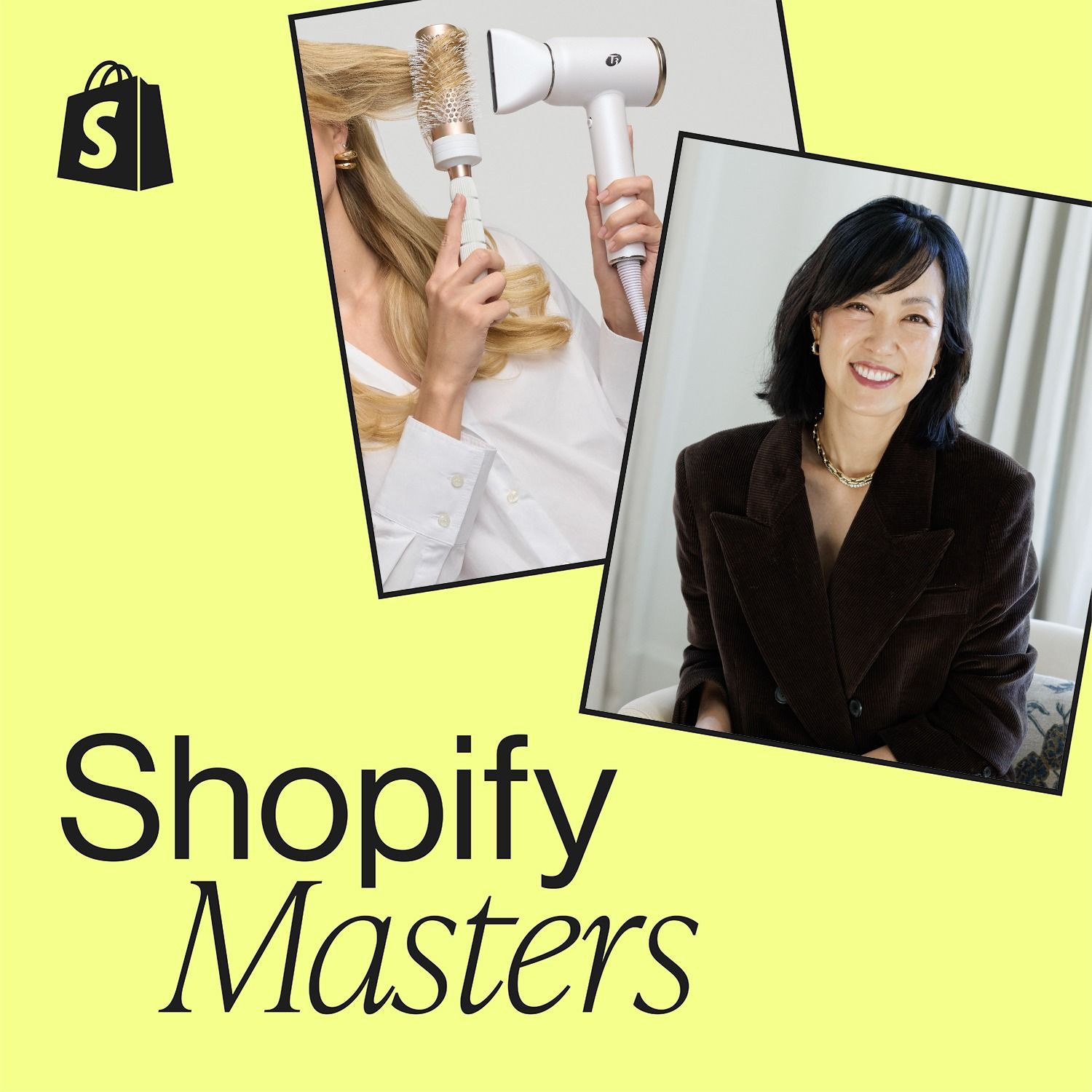
When large appliance companies like Dyson entered the premium hair tool market, T3 was initially intimidated. However, their massive marketing budgets raised overall category awareness and normalized higher price points. This repositioned T3 as an 'affordable luxury' and ultimately boosted their business, demonstrating that new competition can grow the pie for everyone.
While casual users experiment, habitual nicotine pouch users become brand loyal. They mentally associate the physiological relief with a specific product's formulation, making other brands feel "unsatisfying," much like a Coke drinker refusing Pepsi. This suggests strong long-term customer stickiness for incumbents.
Major retailers often dislike when a single large company, like Zen in nicotine, dominates a category. This gives the incumbent too much leverage on pricing and placement. Consequently, retailers are often receptive to new, high-potential brands that can introduce competition and shift the power dynamic back in their favor.

Recent PMTA rule liberalization allows Big Tobacco to innovate in-house. This removes their incentive to acquire smaller, VC-backed brands to access new products, effectively closing the primary exit path for these startups and strengthening the market position of incumbents.
Even if a company monopolized its product category, it couldn't dictate prices. Major retailers like Walmart and Home Depot can always introduce their own in-house brands if they feel prices are too high, forcing branded goods to stay competitive.

The company's "Free" and "Alp" nicotine pouches are the exact same physical product. This strategy shows that distinct branding alone—one for mainstream sports (UFC), the other a "rebel" archetype (Tucker Carlson)—can create two successful, non-cannibalistic product lines from a single manufacturing base.
When major diaper brands refused to sell to them, Diapers.com bought all inventory from the brands' key wholesale customers (Costco, BJ's). This created a problem for manufacturers, forcing them to establish a direct supply relationship to appease their large retail partners.

You don't need to be a true monopoly to dominate a market. Brands like Coca-Cola and Pepsi, while operating in a competitive landscape, have built such powerful moats through brand, scale, and distribution that retailers are forced to carry their products, effectively giving them monopoly-like power.