Get your free personalized podcast brief
We scan new podcasts and send you the top 5 insights daily.
"The Book Club" podcast is designed for two audiences simultaneously. For those who've read the book, it's an enjoyable conversation. For those who haven't, the hosts have "done the reading for you," allowing listeners to appear well-read. This broadens the potential audience beyond just avid readers.

Related Insights
Short TV segments act as a teaser, sparking curiosity that drives sales. In contrast, long-form podcasts are so effective at unpacking a book's core ideas that listeners feel they've already consumed the product, which reduces their motivation to buy the actual book.

View podcasting as a powerful educational medium, like the printing press for audio. This mindset shifts the focus from pure entertainment to creating timeless, valuable content that educates an audience, fostering a deeper, more loyal connection.

The podcast's pitch actively counters audience burnout by promising a single, curated, "essential" conversation each week. This positioning respects the listener's time and offers a high-signal alternative in a saturated market, framing the podcast as a valuable weekly appointment rather than just another content stream.

The NYT's audio strategy succeeds by creating intimate, personality-driven shows that feel like a friend explaining the news. This approach makes complex stories accessible, opening up entirely new engagement patterns and audiences beyond traditional readership.

In a saturated market, a new podcast's success hinges less on a unique idea and more on execution. Nail your target audience and the transformation you promise them, maintain a consistent release schedule, and ensure good audio quality. Clarity of who you serve is more important than being the first to cover a topic.

Before launching "The Book Club" as a standalone show, the creators tested the concept as a bonus series for their existing paid "Rest Is History Club" members. The overwhelmingly positive reaction validated the idea and provided an initial audience, de-risking the public launch.
A successful content strategy for a specialized audience involves variation. The hosts highlight both high-level "elephant hunter" episodes and unusually narrow, tactical deep dives like "pipeline generation." This blend caters to different learning needs and demonstrates a breadth of expertise.

Instead of relying on unpredictable Hollywood deals, Gladwell's Pushkin Industries uses a multi-layered approach. A narrative podcast is the low-cost first version, which is then expanded into more profitable audiobooks and print books to reach different audiences with the same core material.

If your podcast has built brand equity but now serves the wrong audience for your business goals, don't scrap it. Instead, pivot by changing the guest mix. Drastically shift the ratio of guests to reflect your new target demographic while retaining a small number of original-style guests to keep existing listeners engaged.

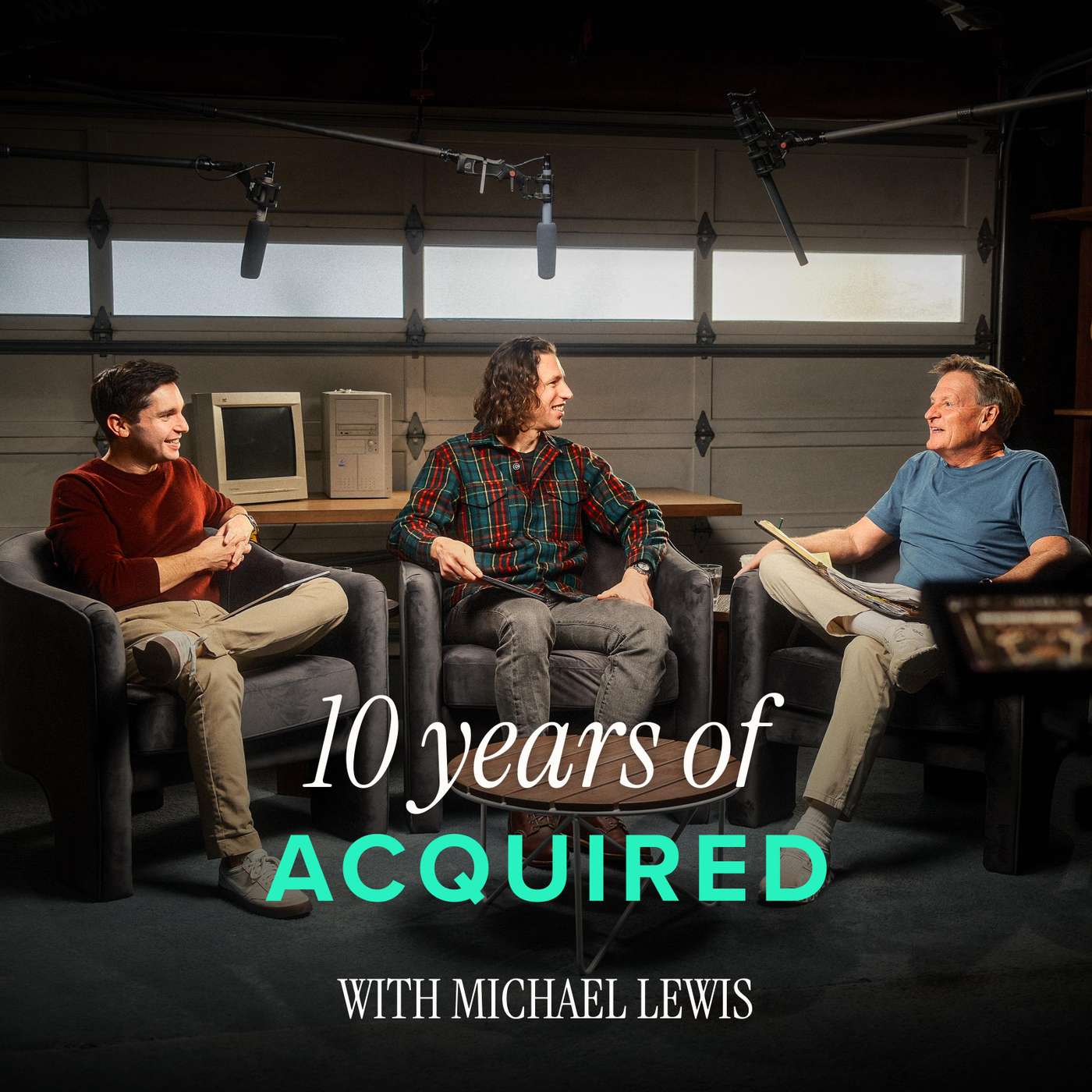
Author Michael Lewis notes his books feel like new startups, while Acquired's podcast format builds a compounding audience. When they release a new "book" (episode), it's automatically delivered to their entire subscriber base, creating a powerful growth flywheel that traditional media lacks.