Get your free personalized podcast brief
We scan new podcasts and send you the top 5 insights daily.
While endless analysis is spent on Taiwan's will to fight, China's is rarely questioned. A significant vulnerability for the CCP is the prospect of sacrificing a generation of only children in a war over Taiwan, which could be perceived domestically as a 'vanity project' and trigger immense social backlash.

Related Insights
By removing his most experienced commanders, Xi has reduced China's short-term operational readiness for a Taiwan conflict. However, the new generation of promoted generals could be more loyalist "wolf warriors," increasing long-term belligerence.

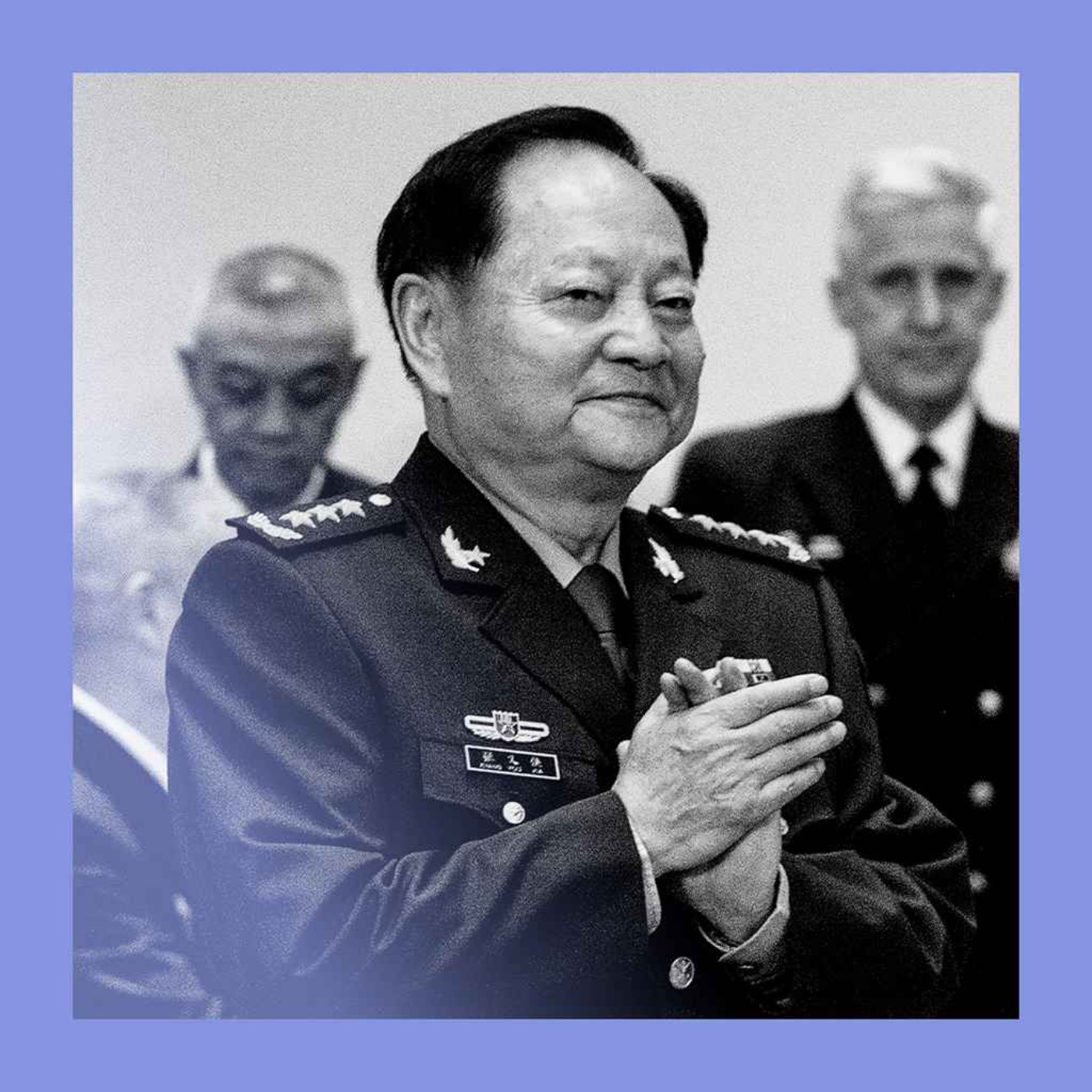
Xi Jinping's sweeping purge of senior military leaders, including those in charge of nuclear and missile forces, has hollowed out the PLA's command structure. This internal instability and lack of experienced leadership strongly suggest that China is not prepared for a major military operation, such as an invasion of Taiwan, in the immediate future.
A potential invasion of Taiwan by China is less likely due to internal military purges and dissent than to US military posturing. An authoritarian leader like Xi Jinping cannot launch a complex invasion if he doesn't trust his own generals, making domestic instability a powerful, albeit unintentional, deterrent.

Chinese leadership believes time is not on its side regarding Taiwan. The growing sense of a distinct Taiwanese identity, especially among younger generations, creates pressure to act before a political 'reunification' becomes impossible, thus increasing the risk of military action.

Despite ambitions for 2027, China is currently ill-positioned for an immediate invasion of Taiwan. The combination of disrupted energy supplies, a fragile domestic economy, and internal military purges by Xi makes a large-scale, energy-intensive conflict strategically unwise at this moment.

Xi Jinping's widespread anti-corruption purges have hollowed out the People's Liberation Army's top leadership, including heads of its critical missile forces. This internal instability and leadership vacuum strongly suggest that China's military is not prepared for a major, complex operation like an invasion of Taiwan in the near future.

Xi Jinping's widespread purges, aimed at consolidating power and rooting out corruption, have hollowed out the People's Liberation Army's experienced leadership. This creates a significant capabilities gap and operational readiness problem, potentially jeopardizing the military's ability to meet Xi's own 2027 deadline for being capable of invading Taiwan.
The impending $2.1 trillion wealth transfer in China is concentrated in a generation of 'only children' due to the former one-child policy. This may exacerbate the 'tangping' (lying flat) social movement, as heirs without siblings inherit significant assets, potentially reducing their incentive to strive and work as hard as their parents did.

Chamath Palihapitiya argues that China's historically low GDP growth and high youth unemployment create domestic instability. Invading Taiwan could be seen by the CCP as a solution to rally the populace, stimulate the economy with a war machine, and distract from internal problems.

Xi Jinping's primary goal is CCP control. A failed invasion of Taiwan resulting in tens of thousands of casualties from a military composed almost entirely of only-children could trigger societal unrest, destabilizing the Communist Party's grip on power. This makes a high-casualty war a huge gamble.
