Get your free personalized podcast brief
We scan new podcasts and send you the top 5 insights daily.
Despite ambitions for 2027, China is currently ill-positioned for an immediate invasion of Taiwan. The combination of disrupted energy supplies, a fragile domestic economy, and internal military purges by Xi makes a large-scale, energy-intensive conflict strategically unwise at this moment.

Related Insights
Despite its military buildup, China's primary strategy for Taiwan is not a direct invasion, which remains highly difficult. Instead, President Xi Jinping favors a coerced diplomacy, aiming to squeeze Taiwan on all sides until it feels it has no choice but to accept a 'one country, two systems' model.

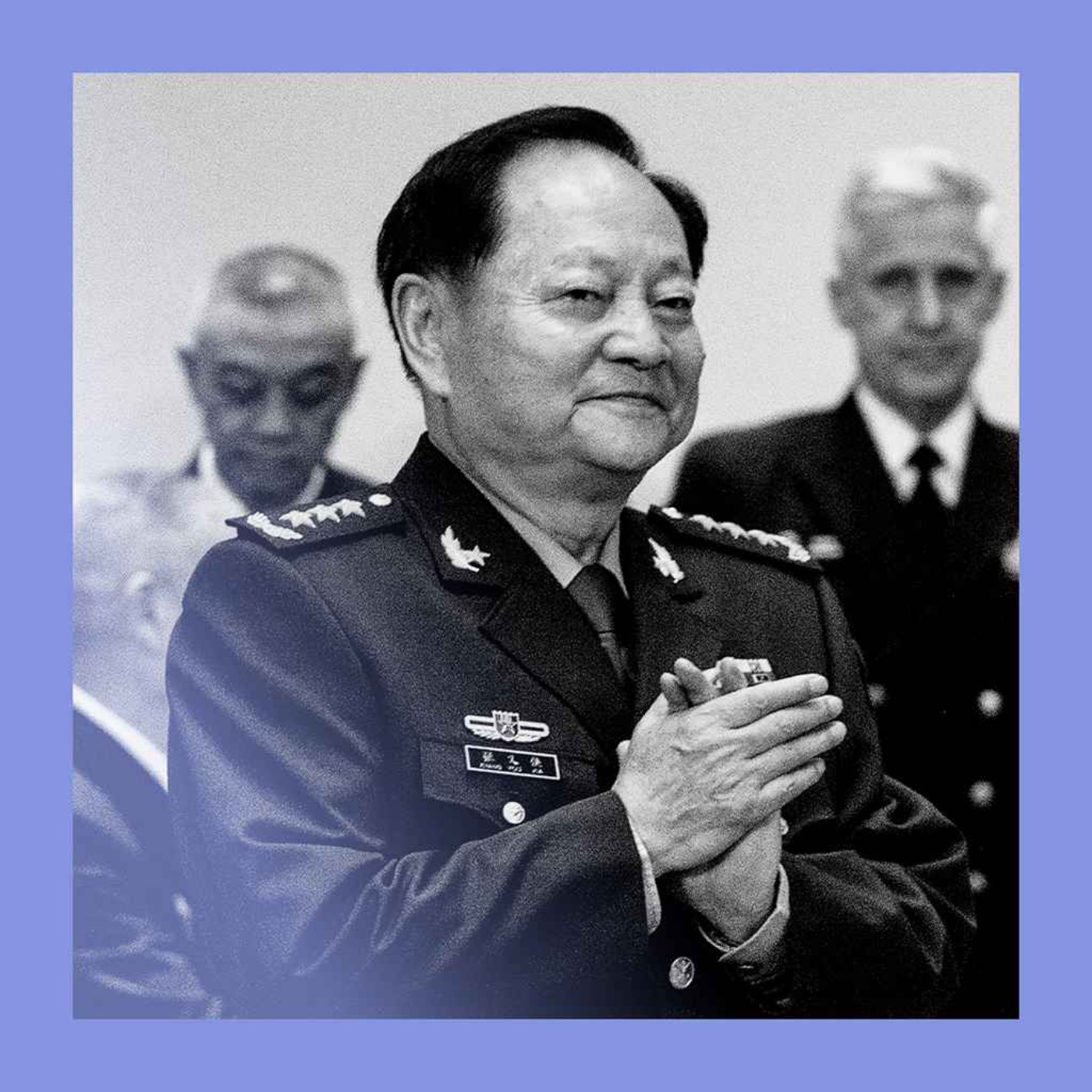
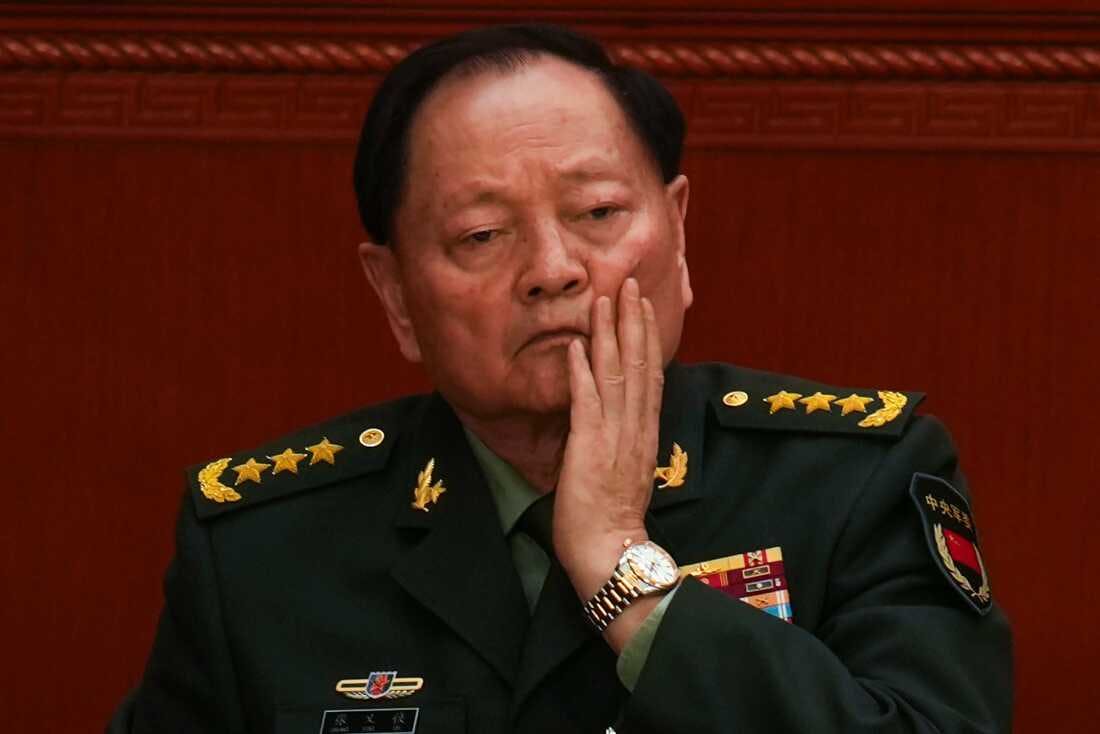
By removing his most experienced commanders, Xi has reduced China's short-term operational readiness for a Taiwan conflict. However, the new generation of promoted generals could be more loyalist "wolf warriors," increasing long-term belligerence.

A potential invasion of Taiwan by China is less likely due to internal military purges and dissent than to US military posturing. An authoritarian leader like Xi Jinping cannot launch a complex invasion if he doesn't trust his own generals, making domestic instability a powerful, albeit unintentional, deterrent.

Contrary to popular narratives, China's strategy for Taiwan is not a military invasion. It's a long-term plan of economic and political isolation, aiming to make Taiwan so irrelevant to the world that its eventual absorption faces no resistance, mirroring its Hong Kong playbook.

Xi Jinping's widespread purges, aimed at consolidating power and rooting out corruption, have hollowed out the People's Liberation Army's experienced leadership. This creates a significant capabilities gap and operational readiness problem, potentially jeopardizing the military's ability to meet Xi's own 2027 deadline for being capable of invading Taiwan.
Chamath Palihapitiya argues that China's historically low GDP growth and high youth unemployment create domestic instability. Invading Taiwan could be seen by the CCP as a solution to rally the populace, stimulate the economy with a war machine, and distract from internal problems.

Contrary to widespread fear, the probability of a Chinese invasion of Taiwan before 2028 is extremely low (~5%). China believes its goal of 'peaceful reunification' is progressing, its military is in disarray after deep purges, and it views President Trump as an accommodating US leader on the Taiwan issue.

An expert from Rhodium Group assesses the probability of a physical military incursion onto Taiwan in the next year as "virtually zero percent." Such an action would represent a complete failure of China's policy of achieving its goals without costly force.

Xi Jinping's willingness to decapitate his military leadership suggests he feels secure about the external environment. He perceives no immediate crisis over Taiwan, giving him the political space to conduct a thorough and disruptive internal consolidation.
China currently believes its strategy of coercion against Taiwan is succeeding, making a near-term military invasion unlikely. However, 2028 is a critical year. If Taiwan's pro-independence party wins re-election, Beijing may reassess its strategy and consider more dramatic military action.
