Get your free personalized podcast brief
We scan new podcasts and send you the top 5 insights daily.
Historically, the value of content IP like scripts and music declined sharply 30-60 days after release. AI tools can now "reimagine" these dormant libraries quickly and cost-effectively, creating new derivative works. This presents a massive, previously untapped opportunity to unlock new revenue streams from back catalogs.
![Media M&A - [Business Breakdowns, EP.230] thumbnail](https://megaphone.imgix.net/podcasts/8404be2a-a3c6-11f0-9d01-7b00b28a9d50/image/9a48597af1149c3b024e8d2f7327aa89.jpg?ixlib=rails-4.3.1&max-w=3000&max-h=3000&fit=crop&auto=format,compress)
Related Insights
Today's dominant AI tools like ChatGPT are perceived as productivity aids, akin to "homework helpers." The next multi-billion dollar opportunity is in creating the go-to AI for fun, creativity, and entertainment—the app people use when they're not working. This untapped market focuses on user expression and play.

Don't view generative AI video as just a way to make traditional films more efficiently. Ben Horowitz sees it as a fundamentally new creative medium, much like movies were to theater. It enables entirely new forms of storytelling by making visuals that once required massive budgets accessible to anyone.

AI's ability to generate ideas and initial drafts for a few dollars removes the high cost of entry for new projects. This "ideation" phase, once proven successful, often justifies hiring human experts for full execution, creating net-new work that was previously unaffordable.
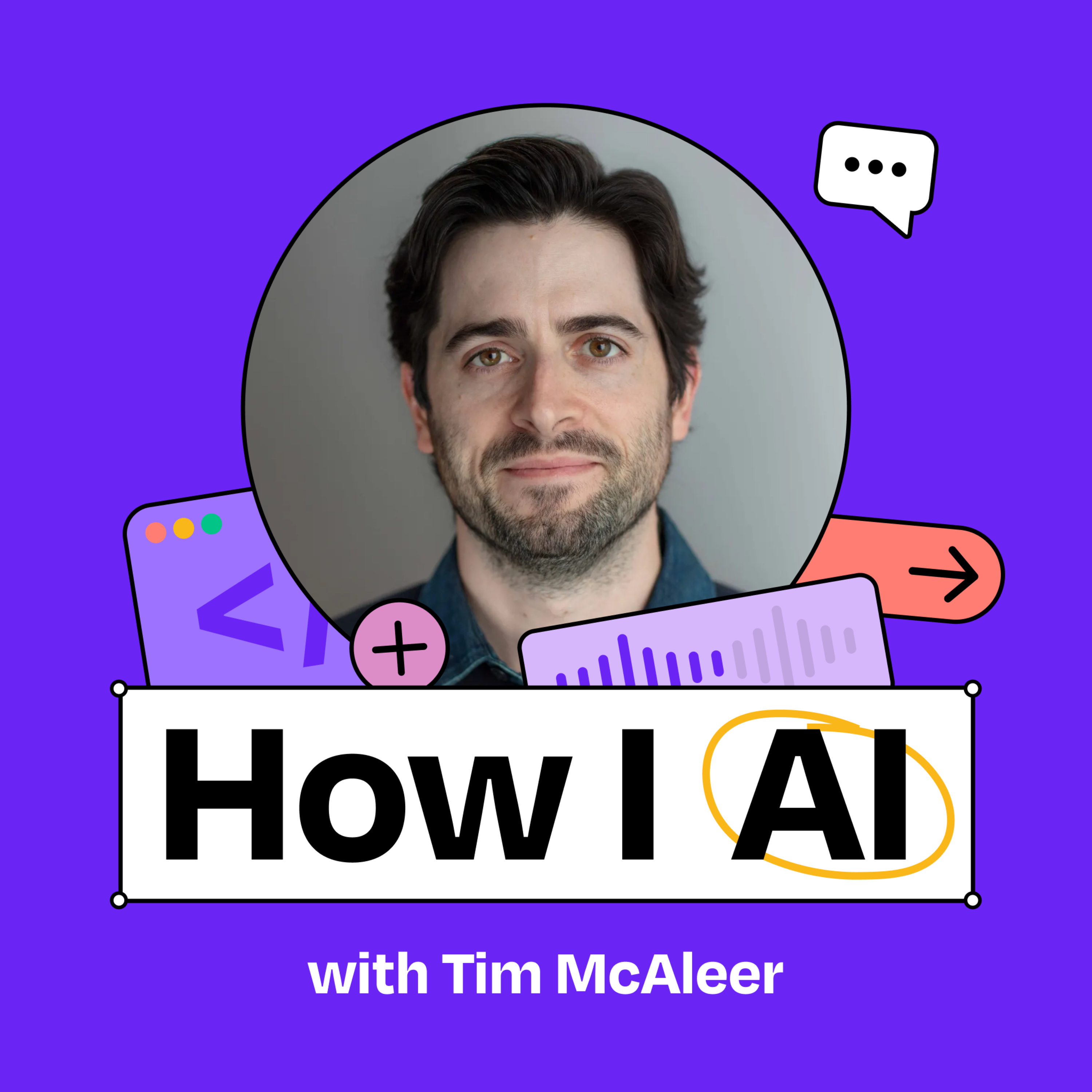
While generative video gets the hype, producer Tim McLear finds AI's most practical use is automating tedious post-production tasks like data management and metadata logging. This frees up researchers and editors to focus on higher-value creative work, like finding more archival material, rather than being bogged down by manual data entry.
As AI drives the cost of content creation to zero, the world floods with 'average' material. In this environment, the most valuable and scarce skill becomes 'taste'—the ability to identify, curate, and champion high-quality, commercially viable work. This elevates the role of human curators over pure creators.
![Ari Emanuel - The Anti-AI Bet - [Invest Like the Best, EP.448] thumbnail](https://megaphone.imgix.net/podcasts/c5910280-c4dd-11f0-94be-ab6a7a5865b0/image/1e5a2263eb62fcde200846919e24419a.jpg?ixlib=rails-4.3.1&max-w=3000&max-h=3000&fit=crop&auto=format,compress)
Instead of asking an AI to repurpose content ad-hoc, instruct it to build a persistent "content repurposing hub." This interactive artifact can take a single input (like a blog post URL) and automatically generate and organize assets for multiple channels (LinkedIn, Twitter, email) in one shareable location, creating a scalable content remixing system.

Leverage AI to analyze your year's worth of data to quickly identify top-performing content. AI can then go a step further by summarizing these top pieces or extracting key takeaways, creating new derivative content from your existing assets with minimal manual effort.

Companies with messy data should focus on generative AI tasks like content creation for immediate value. Predictive AI projects, such as churn forecasting, require extensive data cleaning and expertise, making them slow and complex. Generative tools offer quick efficiency gains with minimal setup, providing a faster path to ROI.
When analyzing video, new generative models can create entirely new images that illustrate a described scene, rather than just pulling a direct screenshot. This allows AI to generate its own 'B-roll' or conceptual art that captures the essence of the source material.
Instead of short-term data licensing deals, Perplexity is building a publisher program that shares ad revenue on a query-level basis. This Spotify-inspired model creates a long-term, symbiotic relationship, incentivizing publishers to partner with the AI platform.
