Get your free personalized podcast brief
We scan new podcasts and send you the top 5 insights daily.
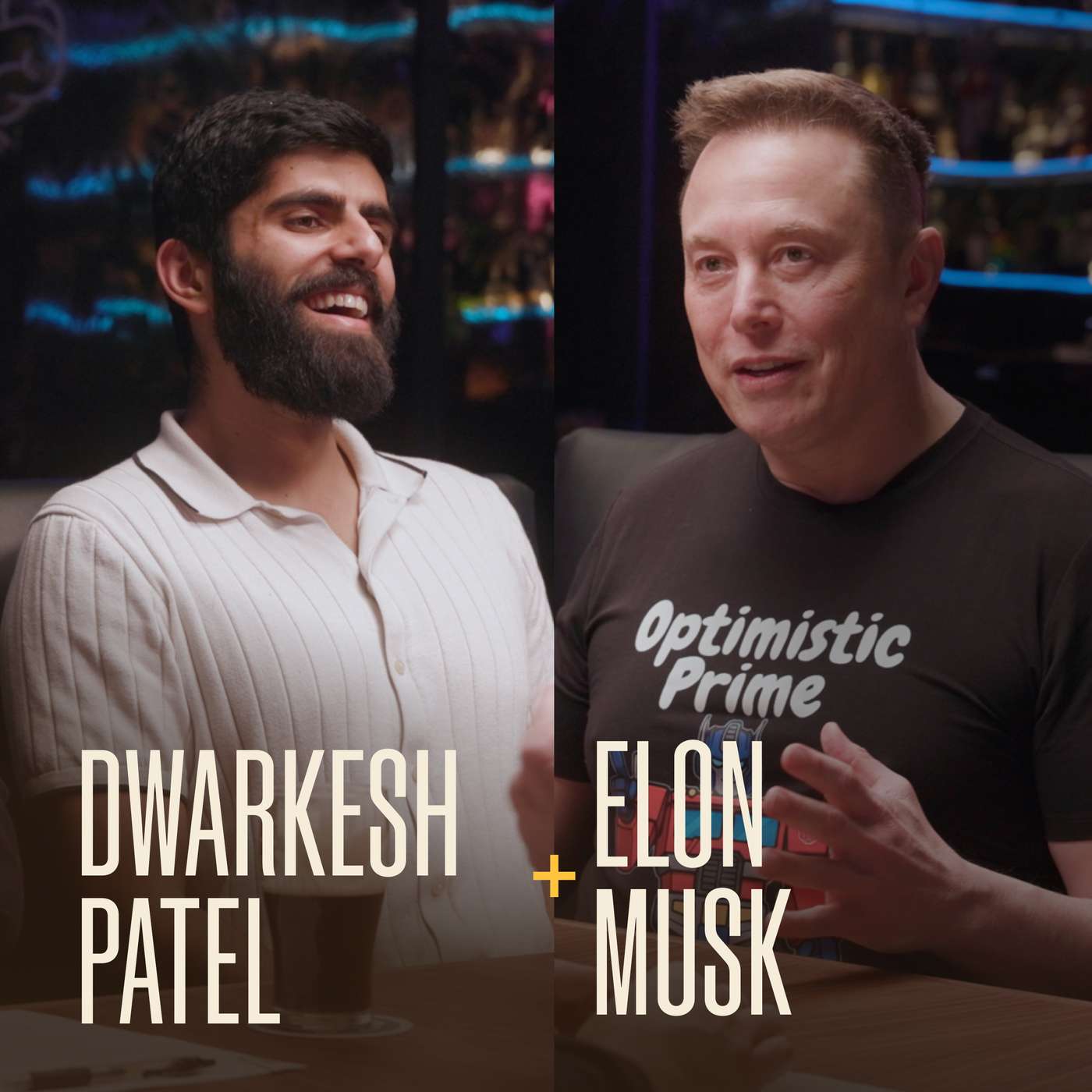
Once deeply concerned about AI's existential risk—comparing humanity's best-case scenario to being "pet Labradors"—Musk now expresses a philosophical resignation. He believes AI's momentum is unstoppable and that humanity's best option is to embrace it and try to shape it positively.
Related Insights
The guest suggests Sam Altman's public declarations about AI's existential risks were a strategic play to align with Elon Musk's outspoken fears. This mirroring successfully convinced Musk to co-found and fund OpenAI, though he later felt manipulated.

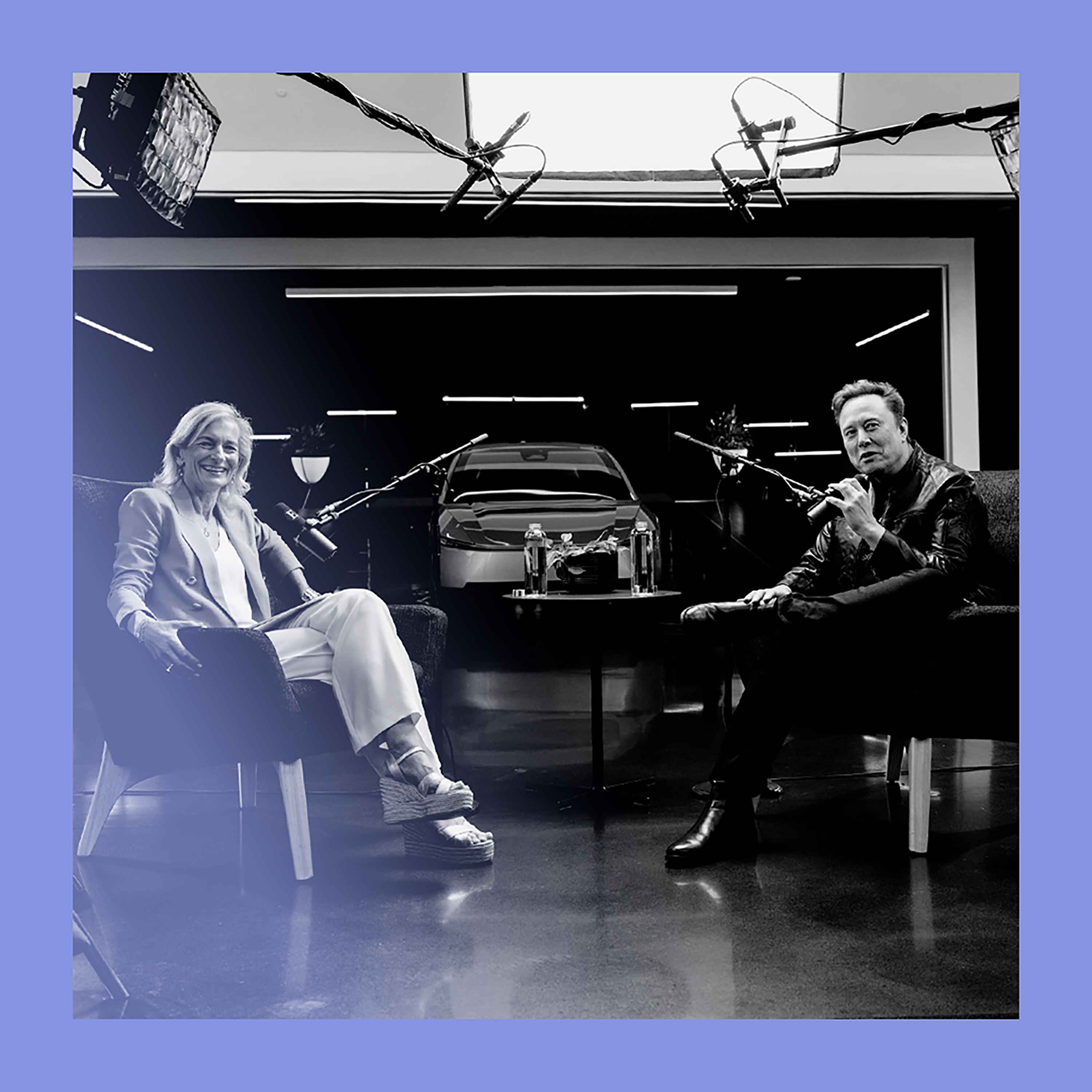
Elon Musk argues that the key to AI safety isn't complex rules, but embedding core values. Forcing an AI to believe falsehoods can make it 'go insane' and lead to dangerous outcomes, as it tries to reconcile contradictions with reality.

The most dire predictions of mass unemployment from AI come directly from its creators, like OpenAI's Sam Altman and xAI's Elon Musk. This contradicts the narrative that fear is driven by outsiders, suggesting those closest to the tech see its disruptive power most clearly.

Elon Musk predicts that rapid advancements in AI and robotics will lead to a future, less than 20 years away, where working is no longer a necessity for survival. It will become a choice or a hobby, much like gardening is for some today.
Davidad considers the gradual disempowerment of biological humans over the next century to be '100% inevitable.' However, he argues this is not necessarily a bad outcome, positing that having power is not a prerequisite for human flourishing. This challenges the default negative view of a future where humans are no longer in control.
In a significant shift, Elon Musk stated he now believes xAI has a chance to achieve AGI with its fifth-generation model, Grok 5. Coming from a key player who is rapidly scaling compute, this suggests the timeline for world-changing AI could be within the next few years.

Microsoft's AI chief, Mustafa Suleiman, announced a focus on "Humanist Super Intelligence," stating AI should always remain in human control. This directly contrasts with Elon Musk's recent assertion that AI will inevitably be in charge, creating a clear philosophical divide among leading AI labs.
This analogy frames a realistic, cautiously optimistic post-AGI world. Humans may lose their central role in driving progress but will enjoy immense wealth and high living standards, finding meaning outside of economic production, similar to younger children of European nobility who didn't inherit titles.

The common fear of AI enslaving humanity is misplaced. A more likely scenario for a recursively self-improving AGI is that it will evolve beyond our comprehension and concerns. It won't see us as a threat to be eliminated, but as irrelevant beings to be ignored, much like humans ignore ants.

By giving AI the core mission to 'understand the universe,' Musk believes it will become truth-seeking and curious. This would incentivize it to preserve humanity, not out of morality, but because humanity's unpredictable future is more interesting to observe than a predictable, sterile world.