Get your free personalized podcast brief
We scan new podcasts and send you the top 5 insights daily.
To balance power and safety, Serval uses two distinct agents. An "Admin Agent" helps IT build and approve workflows with specific permissions. A separate "Help Desk Agent" for end-users can only execute these pre-vetted tools, allowing it to "run wild" within a secure, pre-defined sandbox.
Related Insights
The defining characteristic of an enterprise AI agent isn't its intelligence, but its specific, auditable permissions to perform tasks. This reframes the challenge from managing AI 'thinking' to governing AI 'actions' through trackable access controls, similar to how traditional APIs are managed and monitored.

Instead of a swarm of disconnected task agents, a safer architecture uses a central "super agent" (Queen Bee) as an orchestrator. This Queen Bee delegates tasks to worker agents, then acts as a quality and compliance checker on their outputs before they are sent to the human user, creating built-in guardrails.

To manage the complexity and risk of AI agents, companies should adopt a centralized model. Rather than allowing individuals to build agents freely, a dedicated internal team should build, govern, and distribute a suite of approved agents to departments, ensuring consistency and control.
To address security concerns, powerful AI agents should be provisioned like new human employees. This means running them in a sandboxed environment on a separate machine, with their own dedicated accounts, API keys, and access tokens, rather than on a personal computer.

To ensure AI agents are trustworthy and can work together safely, Dreamer's architecture includes a central "Sidekick" that acts as a kernel. It manages permissions and communication between agents, preventing uncontrolled data access and ensuring actions align with user intent, much like a computer's operating system.
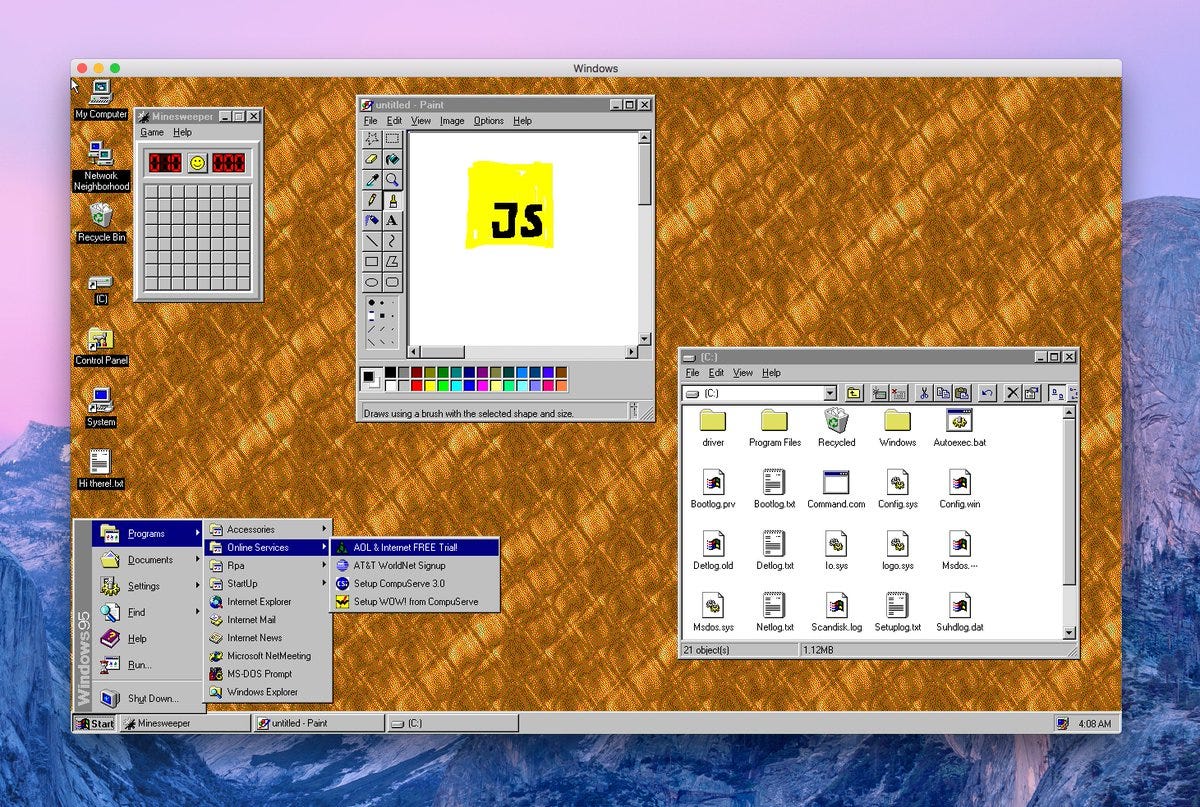
AI agents present a UX problem: either grant risky, sweeping permissions or suffer "approval fatigue" by confirming every action. Sandboxing creates a middle ground. The agent can operate autonomously within a secure environment, making it powerful without being dangerous to the host system.
A key barrier to enterprise AI adoption is security and control. AWS's Bedrock Managed Agents provides each agent with its own dedicated compute environment and unique identity. This allows security teams to create specific governance policies for each agent, balancing enablement with necessary guardrails.

As autonomous agents become prevalent, they'll need a sandboxed environment to access, store, and collaborate on enterprise data. This core infrastructure must manage permissions, security, and governance, creating a new market opportunity for platforms that can serve as this trusted container.
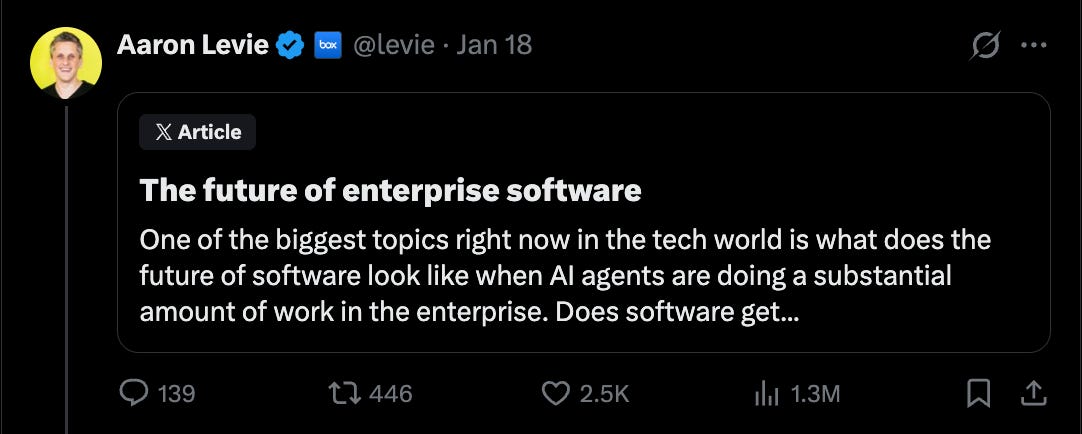
A critical, non-obvious requirement for enterprise adoption of AI agents is the ability to contain their 'blast radius.' Platforms must offer sandboxed environments where agents can work without the risk of making catastrophic errors, such as deleting entire datasets—a problem that has reportedly already caused outages at Amazon.

Instead of building complex new control layers for AI, the emerging best practice is to treat each agent as a separate entity. This means giving them their own accounts, API keys, and permissions, mirroring how you would onboard a new human employee to manage access and security.
