Get your free personalized podcast brief
We scan new podcasts and send you the top 5 insights daily.
The founder didn't start with mass marketing. He first focused on intense one-on-one sessions with athletes and physios to get deep feedback. This evolved into one-to-many demos for teams, and finally to a many-to-many model where certified trainers globally became the brand's evangelists.

Related Insights
If branding dilutes your high-touch founder sales process, the problem isn't the market. The solution is to "scale the unscalable" by creating a small, elite team trained to replicate the founder's one-on-one approach, even if they only perform at a B-minus level.

Avoid pursuing prosumer and enterprise motions simultaneously. The optimal sequence is to first build massive bottoms-up love and brand trust with individual users. This creates internal champions within target companies, providing crucial momentum and turning a cold B2B sale into a pull-based motion.

Contrary to the belief they worked with thousands of influencers, Gymshark's early strategy focused on a small, "handcrafted" group of the most revered athletes in fitness. This "depth over width" approach built credibility by associating the brand with top-tier talent rather than using a broad, spray-and-pray method.

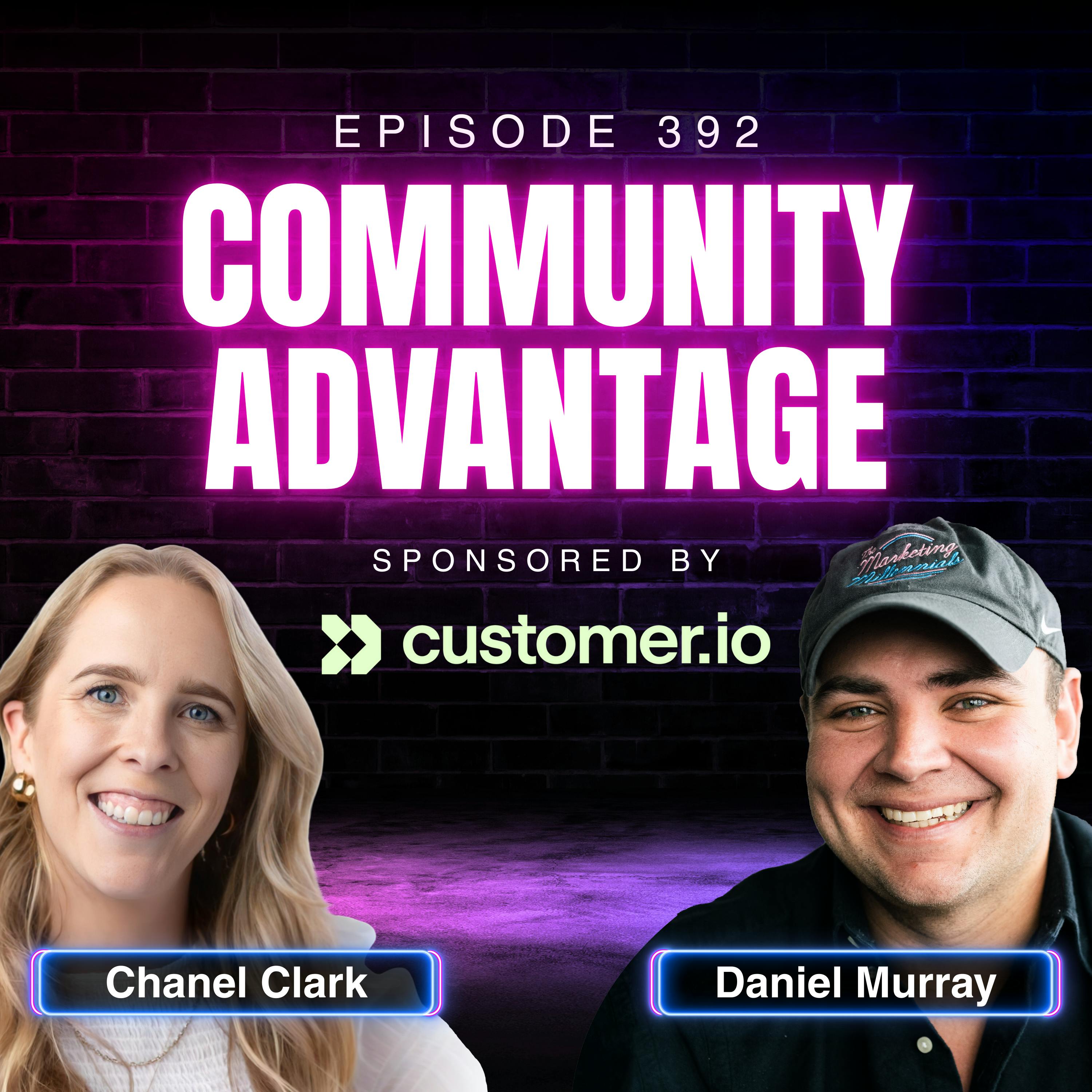
To scale her personal brand-centric community, Chanel Clark identifies hyper-engaged members in different cities. These "power users," who embody the community's vibe, are empowered as local chapter leads, allowing the founder's ethos to scale without her needing to be physically present at every event.
New brands should resist targeting a broad audience. Instead, focus on a specific niche (e.g., Hyrox athletes for a health device) where the product's value is clearly demonstrable. This builds a strong story and credibility that can be leveraged for future expansion into other markets.

Directly approaching large organizations is often ineffective. Instead, emulate Slack's growth model by getting individual employees to use and love the product. This creates internal champions who advocate for wider organizational adoption, pulling the product in rather than pushing it from the outside.

Encourage team members, not just founders or marketers, to build their personal brands by publicly sharing their learnings and journey. This creates an organic, multi-pronged distribution engine that attracts customers, top talent, and investors. It's a highly underrated and cost-effective go-to-market strategy.

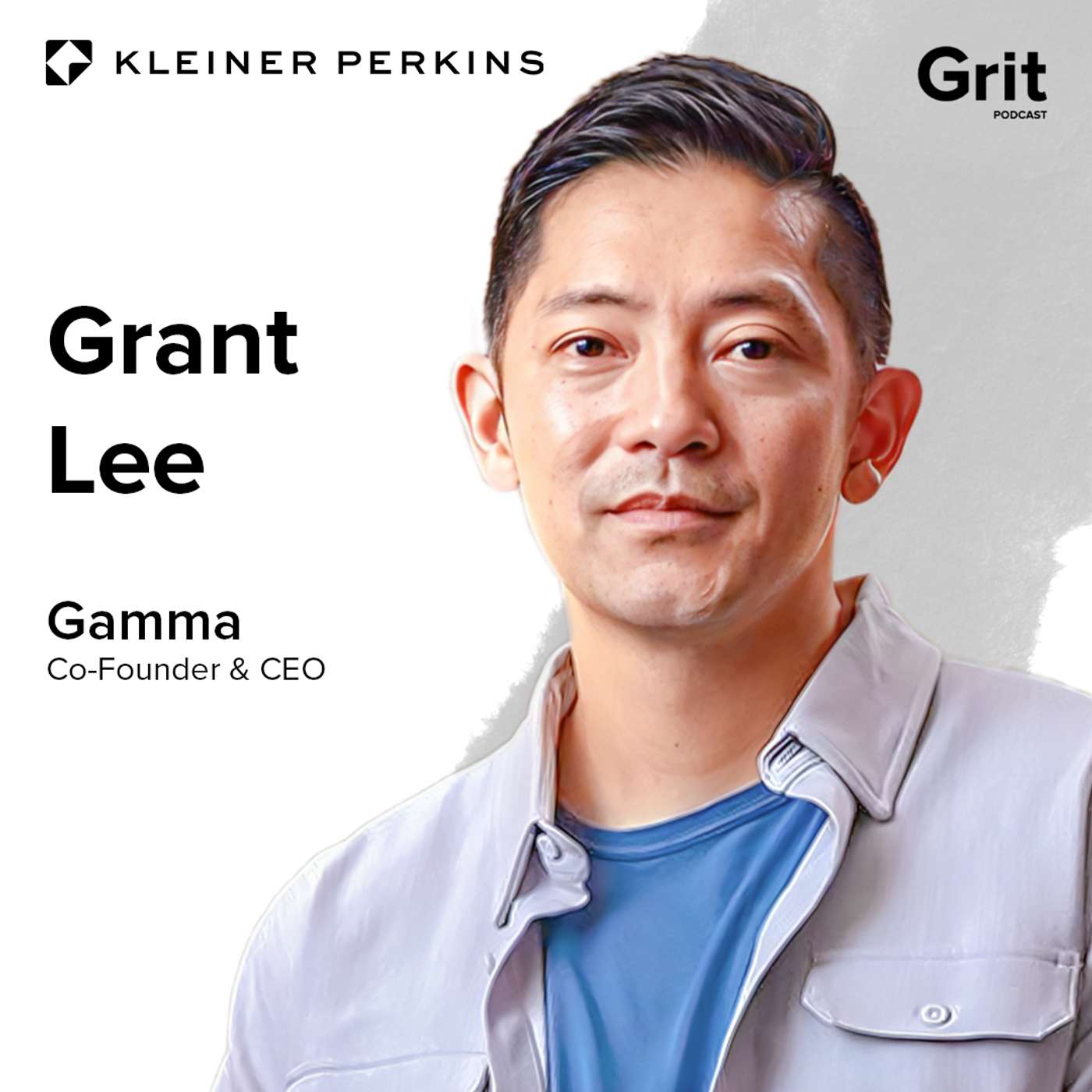
According to Gamma's CEO, if your product doesn't have strong organic word-of-mouth growth, you have not achieved true product-market fit. Any effort to scale sales, marketing, or team size before this is a waste of time and money.
When launching new products, large companies should avoid a big-bang rollout. Instead, use a phased approach: start with 5 reps to find product-market fit, expand to 50 to build a scalable go-to-market playbook, and only then deploy to the full 500-person sales force for mass scaling.

In a product-led world, the B2B concept of 'founder-led sales' evolves into 'founder-led marketing.' Founders must deeply own the brand's narrative. This means personally onboarding key influencers and being the first to learn how to tell the story broadly, ensuring the message is right before scaling the function.