Get your free personalized podcast brief
We scan new podcasts and send you the top 5 insights daily.
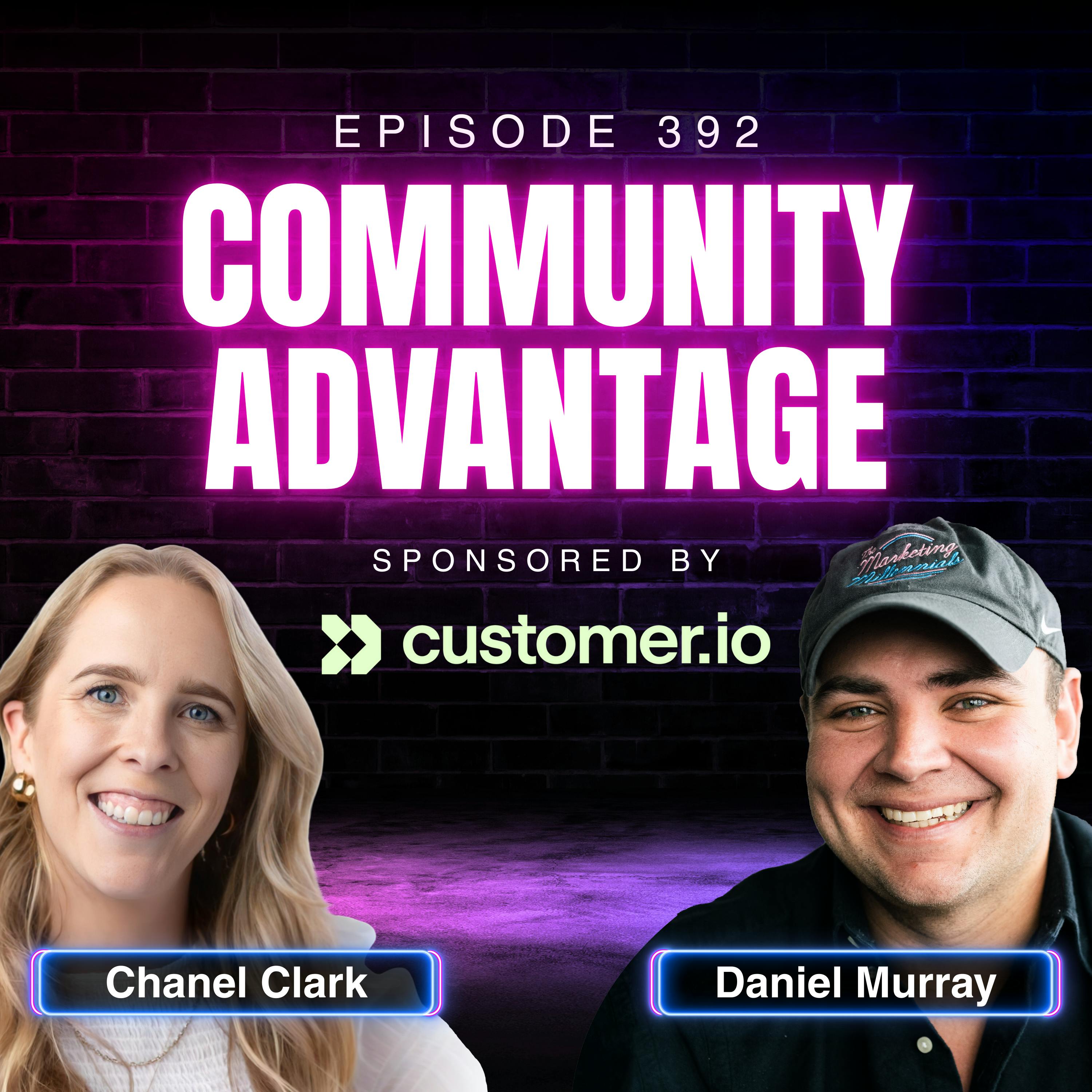
To scale her personal brand-centric community, Chanel Clark identifies hyper-engaged members in different cities. These "power users," who embody the community's vibe, are empowered as local chapter leads, allowing the founder's ethos to scale without her needing to be physically present at every event.
Related Insights
Ty Haney, founder of Outdoor Voices, reveals a key community-building step: relinquish brand control. By empowering super fans to host local events, the brand turns them into 'co-owners' of the experience. This generates more authentic engagement and word-of-mouth than centrally-managed marketing ever could.

By empowering ambassadors to host local events, Outdoor Voices turned passive fans into active co-owners. This gave events authentic authorship, making them more powerful for attendees and creating a self-perpetuating flywheel of community growth and brand loyalty.
Birdies founder Bianca Gates argues that real community isn't a marketing tactic. It emerges organically from a founder's genuine need for help, leveraging personal networks for everything from feedback to early sales. This desperation creates authentic early evangelists.

Home Depot's decentralized model gives regional presidents significant autonomy but with clear, unspoken boundaries—the "invisible fence." This fosters local ownership and agility while ensuring alignment with core company principles. Crossing the line results in a "zap," maintaining strategic cohesion without micromanagement.

A sole creator, no matter how brilliant, will always have a limited impact. The key to exponential influence is to build an organization staffed with talented, well-compensated people. The true superpower is not just communication, but the ability to attract and retain talent that can scale the message far beyond what one person could ever achieve alone.
Initially, 6AM City hired two editors per market. Over time, they discovered a more efficient model: empowering a single, autonomous local editor and centralizing all other operations (marketing, sales support, design). This streamlined the process, reduced overhead, and allowed the local editor to focus purely on creating a high-quality, localized product.

The Marketing Club (TMC) began not from a business plan, but from founder Chanel Clark's personal need as a solo marketer. A single, innocent LinkedIn post asking to connect with peers unexpectedly went viral, proving that organic, problem-led community origins are highly effective.
For influencer-led brands like Dough Guy, the founder's personality and content are the primary assets. Trying to scale the brand by removing the founder too early is a mistake. The founder must remain the central figure until the brand has its own standalone gravity and loyal community.

Treat your community as a co-creation, not a top-down product. Generalist World empowers members to pitch and run their own initiatives (e.g., "job search councils"). The founders act as orchestrators, providing support and removing themselves as the bottleneck for value creation.
In a product-led world, the B2B concept of 'founder-led sales' evolves into 'founder-led marketing.' Founders must deeply own the brand's narrative. This means personally onboarding key influencers and being the first to learn how to tell the story broadly, ensuring the message is right before scaling the function.
