Get your free personalized podcast brief
We scan new podcasts and send you the top 5 insights daily.
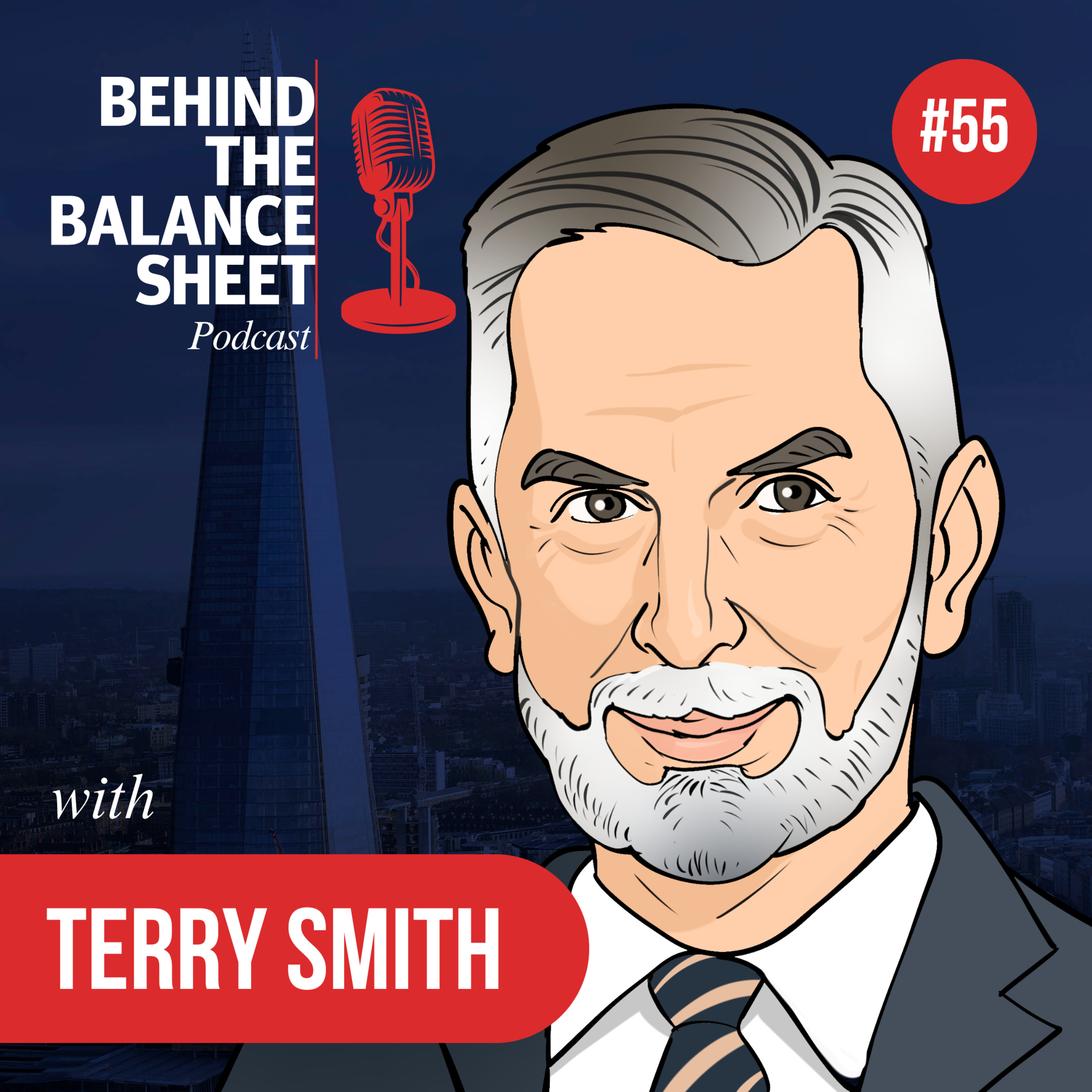
Terry Smith advocates for externalizing your ambition to be the best, even at the risk of public failure. Citing Theodore Roosevelt's 'Man in the Arena' speech, he believes this transparency sets a high bar, fosters accountability, and prevents you from becoming a 'timid soul who never knows either victory nor defeat'.
Related Insights
McLaren's CEO operates by setting ambitious goals first and then finding the resources, rather than letting current resources limit his ambition. This approach, driven by a 'fear of defeat' from setting a high bar, creates the pressure needed to achieve what seems impossible.
For individuals with a high public profile or a famous family, the intense social pressure and potential for embarrassment from failure can act as a powerful motivator. This "can't fail" mentality becomes a driving force for success, turning a potential source of anxiety into a strategic advantage.

Success requires resilience, which is built by experiencing and recovering from small failures. Engaging in activities with public stakes, like sports or public speaking, teaches you to handle losses, bounce back quickly, and develop the mental fortitude needed for high-stakes endeavors.

Contrary to keeping targets private to avoid failure, entrepreneur Mark Laurie advocates for announcing huge goals publicly. This act forces the team to reverse-engineer a plan, aligns stakeholders on the ultimate prize, and increases the probability of achievement—making the risk of public failure worth it.
Being radically clear about a long-term goal, like Gary Vaynerchuk's public aim to buy the NY Jets, does more than align your actions. It serves as a North Star that attracts and enrolls your audience and even strangers to actively support your journey.

Many people are held back by an intense fear of what others will think of their failures. This fear, often a product of childhood conditioning, prevents them from taking necessary risks. Embracing public failure as a learning process is the key to unlocking potential and reducing anxiety.

Beyond the desire for success, the intense fear of embarrassment and public failure can be an incredibly potent motivator. For high-profile individuals, the social cost of failure is so high that it creates a forcing function to succeed at all costs.
The solution to the "too ambitious" problem seen in corporate scandals like Enron isn't to dial down ambition. Instead, it's to channel that powerful drive towards positive, moral outcomes. This reframes ambition from a potential vice into a potent force for good when given the right direction.

Bilyeu calls 'under promise, over deliver' a failure mindset focused on managing expectations. True high-achievers set impossibly high goals—so high they're almost embarrassing—and then work relentlessly to surpass them, aiming for extraordinary capability, not just safe delivery.

Investor Terry Smith champions 'obliquity,' the idea of achieving great results by not aiming directly for them. Citing the McLaren F1 car—designed to be the best, not the fastest—he argues that focusing on excellence itself, rather than just getting rich, is the true driver of immense success.