Get your free personalized podcast brief
We scan new podcasts and send you the top 5 insights daily.
The 2021 Canadian social panic over Indigenous residential schools began with false reports of 215 graves. This hysteria was ignited by a widespread misunderstanding of ground-penetrating radar, which only detects soil anomalies, not confirmed human remains. This technological illiteracy fueled a national crisis.

Related Insights
Research from Duncan Watts shows the bigger societal issue isn't fabricated facts (misinformation), but rather taking true data points and drawing misleading conclusions (misinterpretation). This happens 41 times more often and is a more insidious problem for decision-makers.

Overblown societal fears, or "moral panics," are not random but cyclical. While the specific targets change over time—from witchcraft to 5G technology—the underlying anxieties, often centered on child safety and new technologies, repeat throughout history with surprising regularity.

The 2021 claim about 215 child graves in Kamloops, despite lacking physical evidence, has become a foundational myth in BC. Politicians and professionals are expected to affirm it as truth. Voicing skepticism, even when factually correct, is treated as heresy, leading to immediate professional ostracization.

Despite everyone seeing the same video footage of a controversial event, society fragments into rival interpretations based on hyper-partisan commentary. This demonstrates that access to the same raw data is no longer sufficient to create a consensus understanding of facts.

John McWhorter identifies a key error post-George Floyd: the widespread belief that police frequently kill unarmed Black men. He notes public estimates are off by orders of magnitude from the actual data (around 10-15 per year). This statistical illiteracy, amplified by viral videos, created a false narrative impervious to facts.
On the fifth anniversary of the "Unmarked Graves" story, which many outlets had named their 2021 story of the year, there was a media blackout. The silence was a strategic avoidance of accountability, as acknowledging the anniversary would force news organizations to admit they had propagated a false narrative.
Reports of a mass exodus from Britain are based on a misunderstanding of official statistics. A 2021 switch in methodology—from flawed airport surveys to more reliable tax and benefits data—created a statistical discontinuity that falsely suggests a recent surge in emigration when none exists.

The online frenzy over Netanyahu's supposed death was fueled by trivial details like a crease in his palm looking like a sixth finger. In an age where AI makes the public doubt reality, even easily debunked visual artifacts can spiral into massive conspiracy theories.

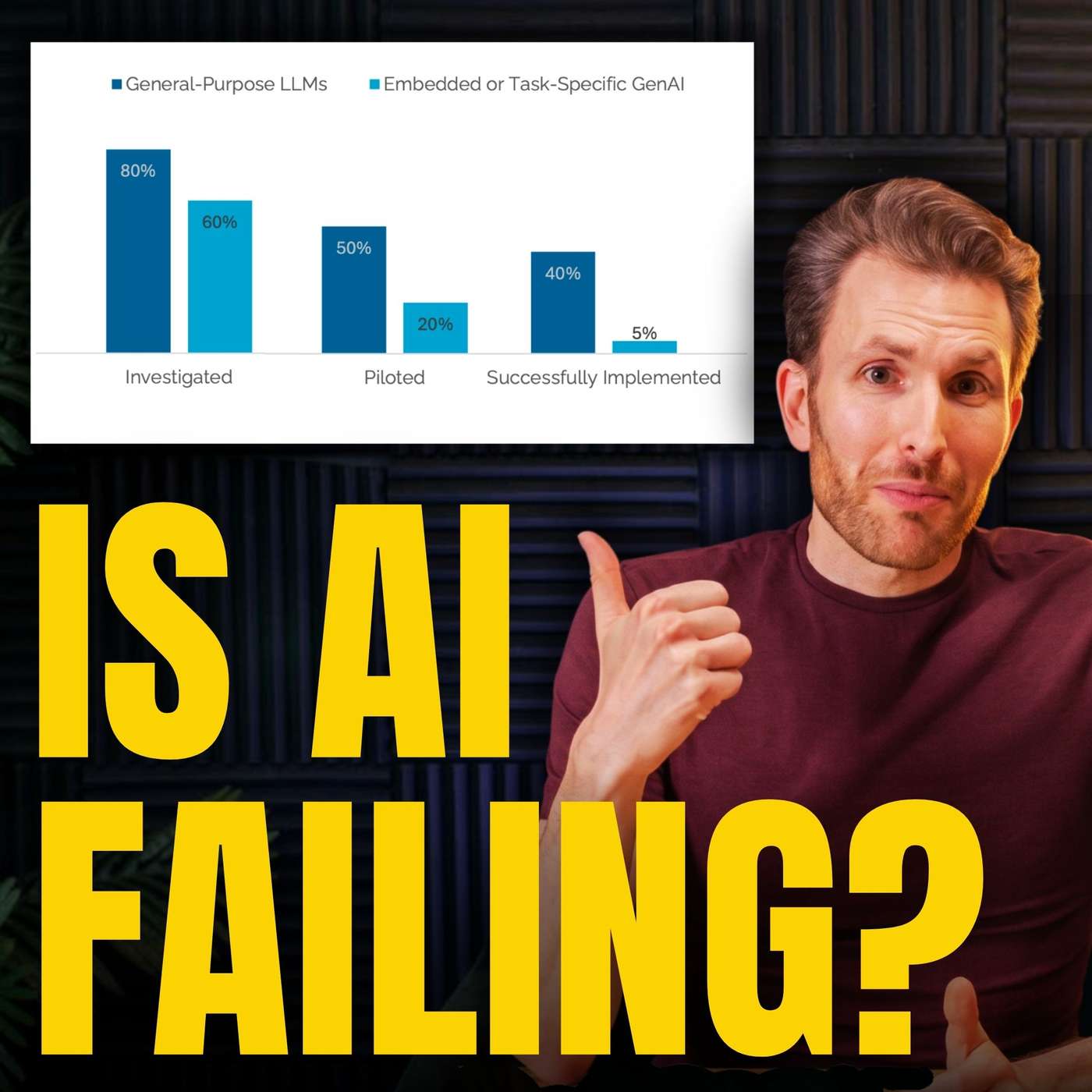
The viral "95% AI failure rate" statistic wasn't about projects failing, but about companies not even starting a pilot. This framing mistake, equating non-participation with failure, created a misleadingly negative perception of AI adoption, a common pitfall in tech reporting that misleads the public and investors.
Discourse around controversial deaths like George Floyd's or Henry Nowak's quickly abandons forensic specifics (e.g., cause of death) for a more potent, underlying cultural issue. The narrative of victimhood and oppression is the true driver of mass reaction, not the facts of the case.
