Get your free personalized podcast brief
We scan new podcasts and send you the top 5 insights daily.
In its acquisition of Roku, Fox is effectively valuing Roku's 100 million streaming users far more than its own. The deal structure implies that in the modern media landscape, a dedicated streaming platform's audience is the core asset, while a legacy media company's viewers hold comparatively little value.

Related Insights
Netflix's acquisition of Warner Bros., including plans to continue theatrical releases and maintain HBO Max, shows that pure-play streaming is evolving. To dominate, streaming giants must now integrate and preserve traditional studio operations and business models rather than simply aiming to disrupt them.

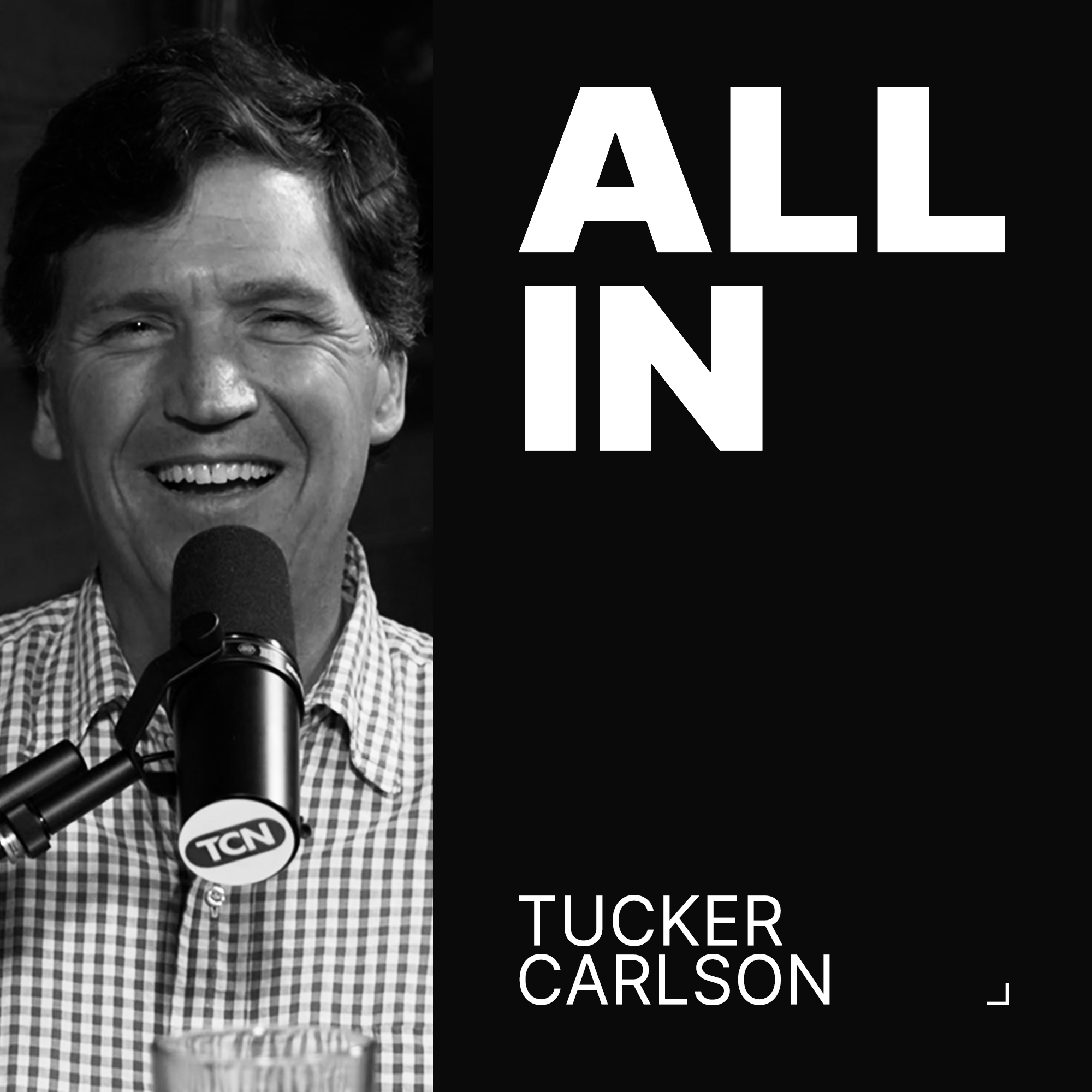
Tucker Carlson argues that legacy media brands have lost their power to shape public opinion. Their value is now primarily brand recognition, not their content's impact. True cultural influence has shifted to decentralized, creator-driven platforms like YouTube and X.
The Fox-Roku merger highlights a key vulnerability in streaming: services without a distinct, defensible value proposition (like sports for ESPN or kids' content for Disney) will struggle to remain independent. Companies with a generic content library are prime targets for acquisition in the ongoing media consolidation wave.
High-stakes bidding for legacy media assets like Warner Bros. is driven by status-seeking among the ultra-wealthy, not a sound bet on the future of media. They are acquiring prestigious "shiny objects" from the past, while the actual attention economy has shifted to platforms like TikTok and YouTube.
Fox's acquisition of Roku is a decisive move away from its declining linear TV business. The deal provides Fox with a direct-to-consumer relationship with over 100 million households and a massive trove of first-party data, positioning it to compete with YouTube and Netflix in the ad-supported streaming market.

While 20-year-old shows can generate significant viewership spikes on platforms like Netflix, their impact is minimal compared to the platform's total engagement and new global hits. This suggests that acquiring legacy IP is a tactical boost for streamers, not a strategic necessity for achieving long-term dominance.

With a median cable subscriber age of 65 and a Fox News viewer age of 71, Fox faces a demographic crisis. Acquiring Roku, where 53% of users are under 45, is a high-cost M&A strategy to inject youth into its aging viewer base and secure its future with younger advertisers.

The concept of a TV network brand is obsolete in the streaming era. Viewers select content from a grid of 'tiles' on services like Netflix, with little awareness or loyalty to the studio or network that produced a show. This fundamentally devalues the traditional network model.
Fox is acquiring Roku not just for its user base, but for its dominant platform with over 40% of connected TV watch time. This strategy vertically integrates Fox's content and ad machinery with Roku's distribution to capture the massive shift of ad dollars from linear TV to streaming.

Massive M&A deals for legacy media are backward-looking financial transactions based on past earnings. The truly transformative acquisitions (like Facebook buying Instagram) are smaller, forward-looking bets on future trends like user-generated content.