Get your free personalized podcast brief
We scan new podcasts and send you the top 5 insights daily.
Unlike politics, where ideology can persist despite failure, entrepreneurship demands a strict adherence to what works. The need to make payroll and avoid business failure forces an honest assessment of cause and effect, a discipline often missing from public policy debates.

Related Insights
The most effective innovators combine two seemingly contradictory traits: a boundless imagination to envision novel solutions and a ruthless pragmatism that rejects ideas that can't be translated into reality. One without the other leads to either fantasy or stagnation.
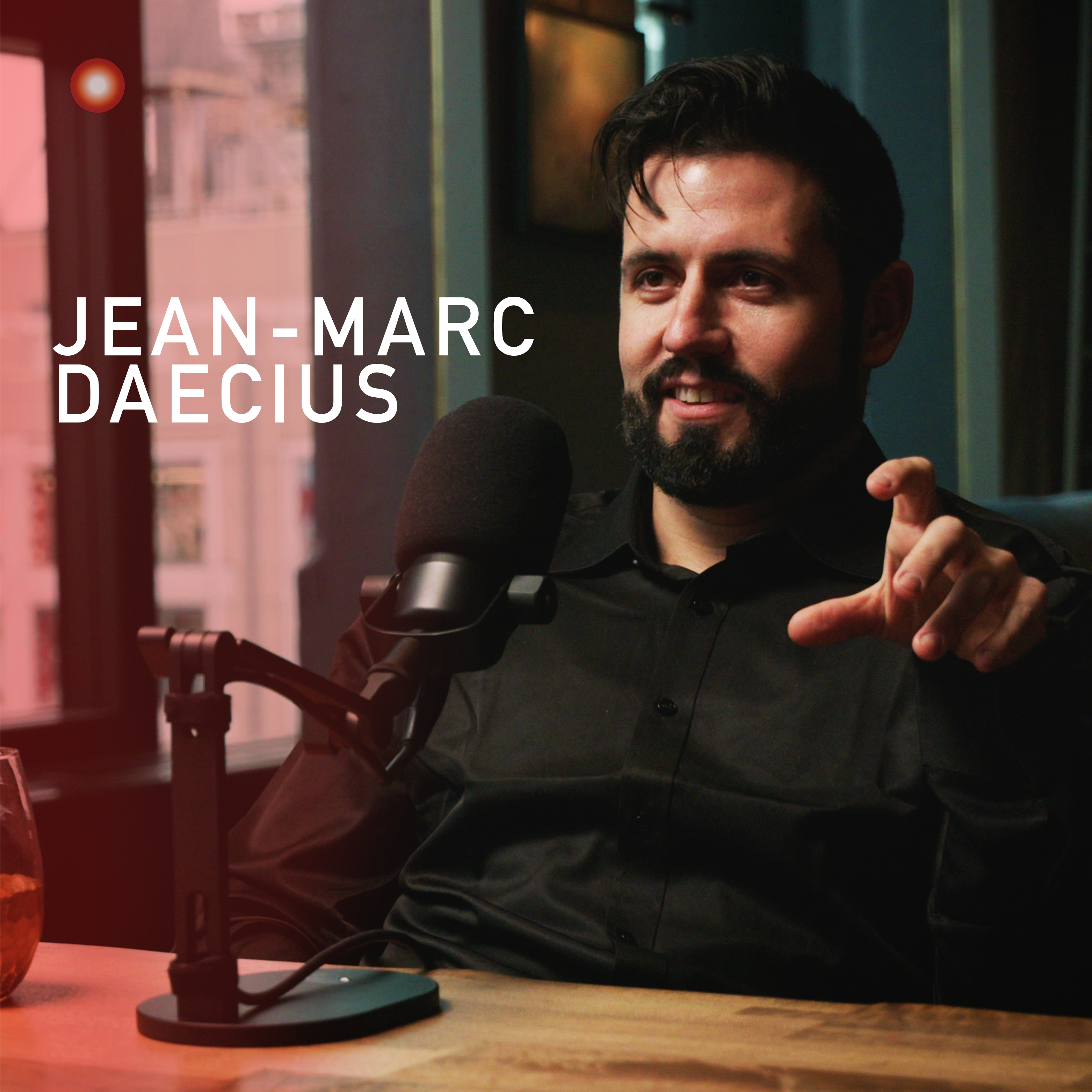
Success in business stems from viewing the world as a deterministic system. By diligently mapping the cause-and-effect relationships within economics, entrepreneurs can predict outcomes and build effectively. Without this framework, navigating the complexities of the market becomes a matter of guesswork.

The speaker contrasts his experience in game development, where he had to abandon a flawed strategy upon encountering the "physics" of the process, with politicians. Politicians often double down on failed economic models despite overwhelming historical evidence, refusing to adjust their approach.

Nubar Afayan argues against the popular notion of entrepreneurship as a random, "gamey" process of wins and losses. He advocates for transforming it into a serious profession with systematic processes, especially for critical sectors like healthcare and climate, where a simple "shots on goal" approach is insufficient.

True entrepreneurial opportunity exists where consensus is wrong. By the time a trend like AI or cloud computing is mainstream, it's too late to build a foundational company. Entrepreneurs must find ideas that are currently not well-liked or appreciated and see the gap between the popular view and the idea's actual potential.

Policymakers and experts who have a track record of success in high-stakes financial markets (risking their own money) possess a practical understanding that academics often lack. Being a market 'gladiator' with real wins and losses is a more reliable indicator of economic competence than credentials alone.

Practical optimism is not blind faith. It's the willingness to test many hypotheses while being rigorously accountable to market feedback. Unlike 'toxic positivity' (delusion), it acknowledges when an idea has failed after sufficient effort and knows when to quit, grounding ambition in reality.

The most successful founders rarely get the solution right on their first attempt. Their strength lies in persistence combined with adaptability. They treat their initial ideas as hypotheses, take in new data, and are willing to change their approach repeatedly to find what works.

A cultural shift toward guaranteeing equal outcomes and shielding everyone from failure erodes economic dynamism. Entrepreneurship, the singular engine of job growth and innovation, fundamentally requires the freedom to take huge risks and accept the possibility of spectacular failure.

Attributing your lack of success to external forces like the current political administration is a form of self-sabotage. True entrepreneurs find ways to succeed regardless of who is in office, and blaming others is an excuse that prevents personal growth and accountability.