Get your free personalized podcast brief
We scan new podcasts and send you the top 5 insights daily.
The CHIPS program director was chosen for the ability to 'get something done in government,' not for a background in semiconductors. For a massive federal startup, navigating bureaucracy and building processes from scratch is a more critical leadership skill than pre-existing industry knowledge, which can be hired onto the team.

Related Insights
OpenGov's CEO advises against the conventional wisdom of hiring salespeople with deep government experience. Instead, his company seeks hungry, courageous, and disciplined individuals and trains them internally on domain specifics, finding this approach more effective.

Luckey reveals that Anduril prioritized institutional engagement over engineering in its early days, initially hiring more lawyers and lobbyists. The biggest challenge wasn't building the technology, but convincing the Department of Defense and political stakeholders to believe in a new procurement model, proving that shaping the system is a prerequisite for success.
![Palmer Luckey - Inventing the Future of Defense - [Invest Like the Best, CLASSICS] thumbnail](https://megaphone.imgix.net/podcasts/f7c9aa8e-cb8d-11f0-828e-0b281809c10a/image/cc07f91ec47f95abbde771a4956b37b7.jpg?ixlib=rails-4.3.1&max-w=3000&max-h=3000&fit=crop&auto=format,compress)
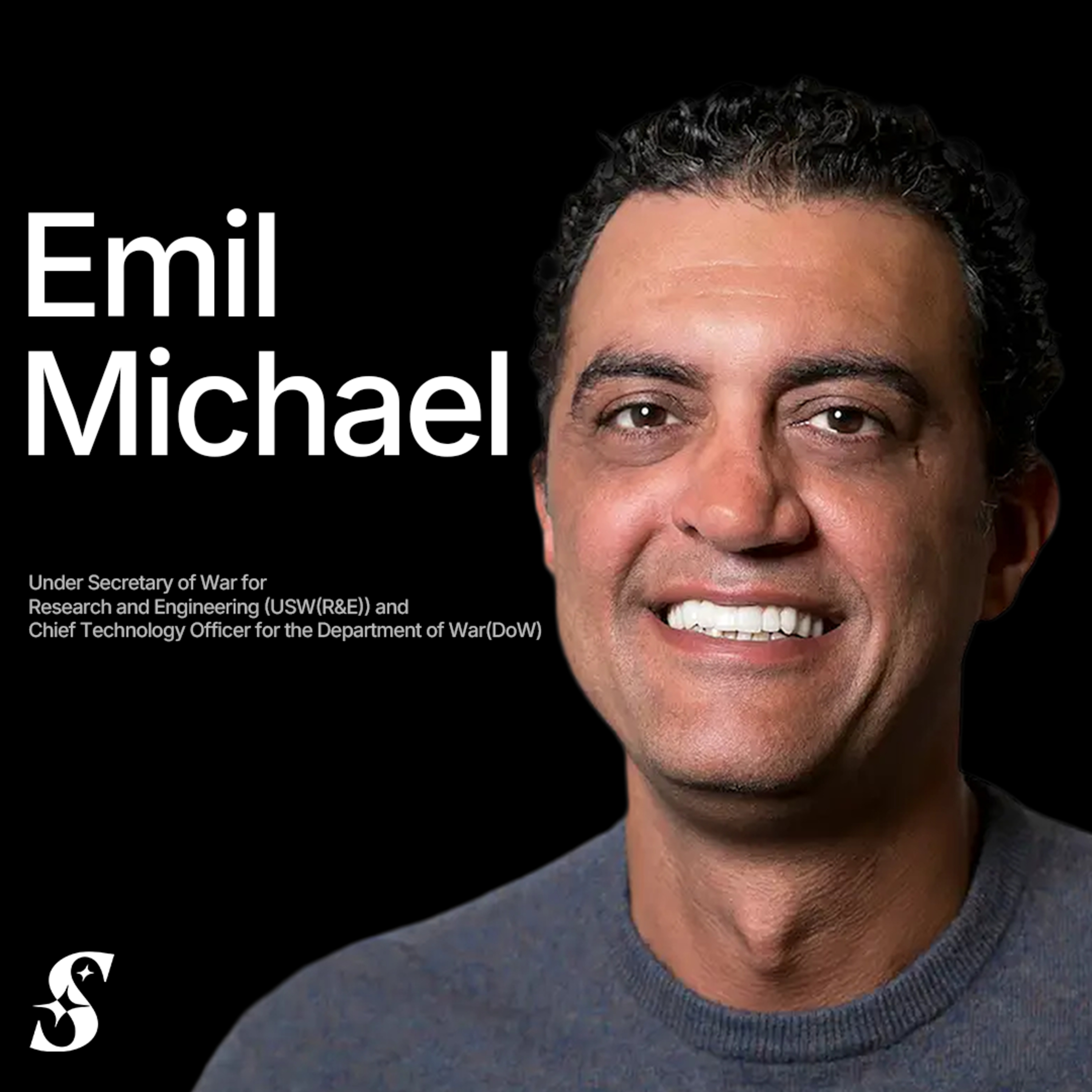
The Under Secretary of War, a former Uber executive, likens his government role to his startup experience. The key parallel is being a "political disruptor" who examines a massive, entrenched bureaucracy like the Department of War with a "clean sheet of paper," questioning existing processes and empowering change from first principles.
Citing economist Ed Glaeser's 'capacity eats policy for a light snack,' the core argument is that the government's ability to execute—having the right people with the right skills—is a far greater determinant of success than the policy itself. Lacking execution capacity dooms even the best-laid plans.

The ideal early startup employee has an extreme bias for action and high agency. They identify problems and execute solutions without needing approvals, and they aren't afraid to fail. This contrasts sharply with candidates from structured environments like consulting, who are often more calculated and risk-averse.

To ensure effectiveness, new government tech talent shouldn't be scattered individually across agencies. Instead, they must be deployed as self-contained teams focused on specific projects. This strategy prevents them from being absorbed and neutralized by existing bureaucracy, allowing them to maintain momentum and achieve their objectives.

In rapidly evolving fields like AI, pre-existing experience can be a liability. The highest performers often possess high agency, energy, and learning speed, allowing them to adapt without needing to unlearn outdated habits.

The common VC advice to hire "professional managers" when scaling often introduces rigid, bureaucratic systems. Instead, seek dynamic leaders who can operate in a fluid, high-growth environment, even if they lack a traditional management resume. Prioritize adaptability over process.

A former White House advisor noted that the core theories behind major policies are often well-established. The true challenge and critical skill is navigating the complex government process—the interagency meetings and procedures—to translate an idea into official action.

High-achievers from the private sector are drawn to government service by missions with tangible impact and the resources to execute. The CHIPS program's success in recruiting was tied directly to its significant funding and clear mandate, which is far more compelling than a purely analytical or advisory role.