Get your free personalized podcast brief
We scan new podcasts and send you the top 5 insights daily.
Beyond clarifying thoughts, the greatest benefit of a long-term writing practice is creating an immutable record of your past beliefs. This counteracts memory's tendency to rewrite history, forcing you to confront how often you were wrong and providing an objective feedback loop essential for intellectual growth.

Related Insights
Human memory is inherently flawed and tends to warp perceptions of the past, often focusing on negative experiences. To accurately assess progress on long-term goals, you must become your own data scientist. Objectively tracking actions and outcomes provides a true picture, counteracting motivational slumps caused by faulty recall.

Getting stuck in mental loops is common. The physical act of translating thoughts into written or spoken words activates different neural pathways and accountability mechanisms. This externalization process inherently improves clarity and helps break unproductive thought patterns, even without feedback from others.
Like meditation, writing is a process for understanding one's own mind, not just a means to an end. The goal is the insight that emerges during the act, not the polished artifact. Adopting practices like Julia Cameron's "morning pages" and even recycling the journals decouples writing from performance pressure.

The act of writing is a powerful tool for improving investment analysis. It serves as a forcing function to structure thoughts, confront logical gaps, and identify indefensible arguments. This process of articulation is as valuable for the writer's own understanding as it is for persuading an audience.

The process of articulating ideas in writing forces clarity and exposes flaws that remain hidden when they are just thoughts. It serves as a powerful filtering mechanism for bad ideas before they consume resources.

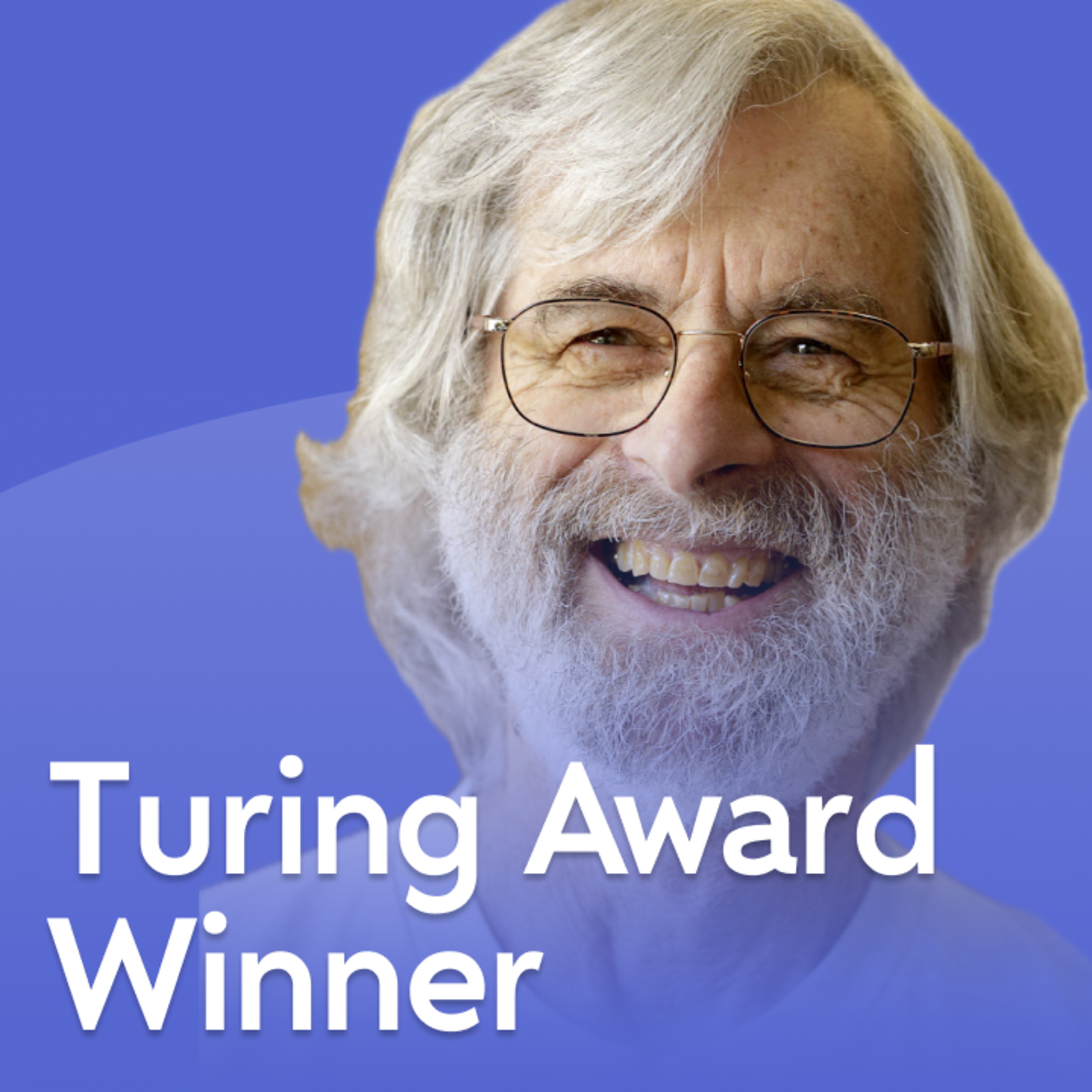
Lamport argues that writing is a critical tool for clear thinking. It forces you to confront fuzzy ideas and hidden assumptions, preventing self-deception. This principle applies to writing proofs, system specifications, or even user manuals before coding. The act of writing reveals flaws and makes you honest.
The physical act of writing a goal creates an artifact of your intention. Even if you get distracted and forget, stumbling across that written note months later forces you to confront your progress (or lack thereof) and provides the jolt needed to get back on track.

The act of writing tests an idea's coherence. Unlike a podcast where one can speak freely, writing requires a logical flow and supporting evidence, making it a more rigorous process for clarifying thought and filtering out flawed theories.
To capture the specific details essential for good writing, author Laura Belgray recommends daily journaling as a form of "record keeping." She uses 750words.com to log conversations, meals, and daily events. This creates an archive of material to draw from later, as memory inevitably fades over time.

Writing is not just the documentation of pre-formed thoughts; it is the process of forming them. By wrestling with arguments on the page, you clarify your own thinking. Outsourcing this "hard part" to AI means you skip the essential step of developing a unique, well-reasoned perspective.
