Get your free personalized podcast brief
We scan new podcasts and send you the top 5 insights daily.
A key tension observed is that a platform's technical design often fails to predict its eventual community culture. Bluesky, despite its utopian, decentralized architecture for openness, has still developed social toxicity and "mobbing," showing that human social dynamics frequently override architectural intentions.

Related Insights
Despite the evolution from early chat rooms to massive social media platforms, the pendulum has swung back to more intimate, contained spaces like Discord. This cycle shows technology ultimately serves a deep-seated human desire to connect with like-minded people in comfortable, manageable settings.

The feeling of deep societal division is an artifact of platform design. Algorithms amplify extreme voices because they generate engagement, creating a false impression of widespread polarization. In reality, without these amplified voices, most people's views on contentious topics are quite moderate.

Stack Overflow, a valuable developer community, declined after its knowledge was ingested by ChatGPT. This disincentivized human interaction, killing the community and stopping the creation of new knowledge for AI to train on—a self-defeating cycle for both humans and AI.

Substack's founder argues that online spaces become "heaven or hell" based on their core business model. Ad-based models optimize for attention (often leading to outrage), while Substack's revenue-share model forces its algorithm to optimize for the value creators provide to their audience.
Deep tech startups don't have unique interpersonal problems. The same human OS bugs—communication breakdowns, ego, avoiding hard conversations—that sink a restaurant or a marriage will also sink a highly technical venture. The context changes, but the core human errors do not.

Bluesky wasn't founded to be a Twitter clone, but to deconstruct social media into modular components (identity, social graph). This protocol-based approach aims to solve the "cold start" problem for new apps, fostering an ecosystem of competition and user choice beyond a few dominant platforms.
As major platforms abdicate trust and safety responsibilities, demand grows for user-centric solutions. This fuels interest in decentralized networks and "middleware" that empower communities to set their own content standards, a move away from centralized, top-down platform moderation.
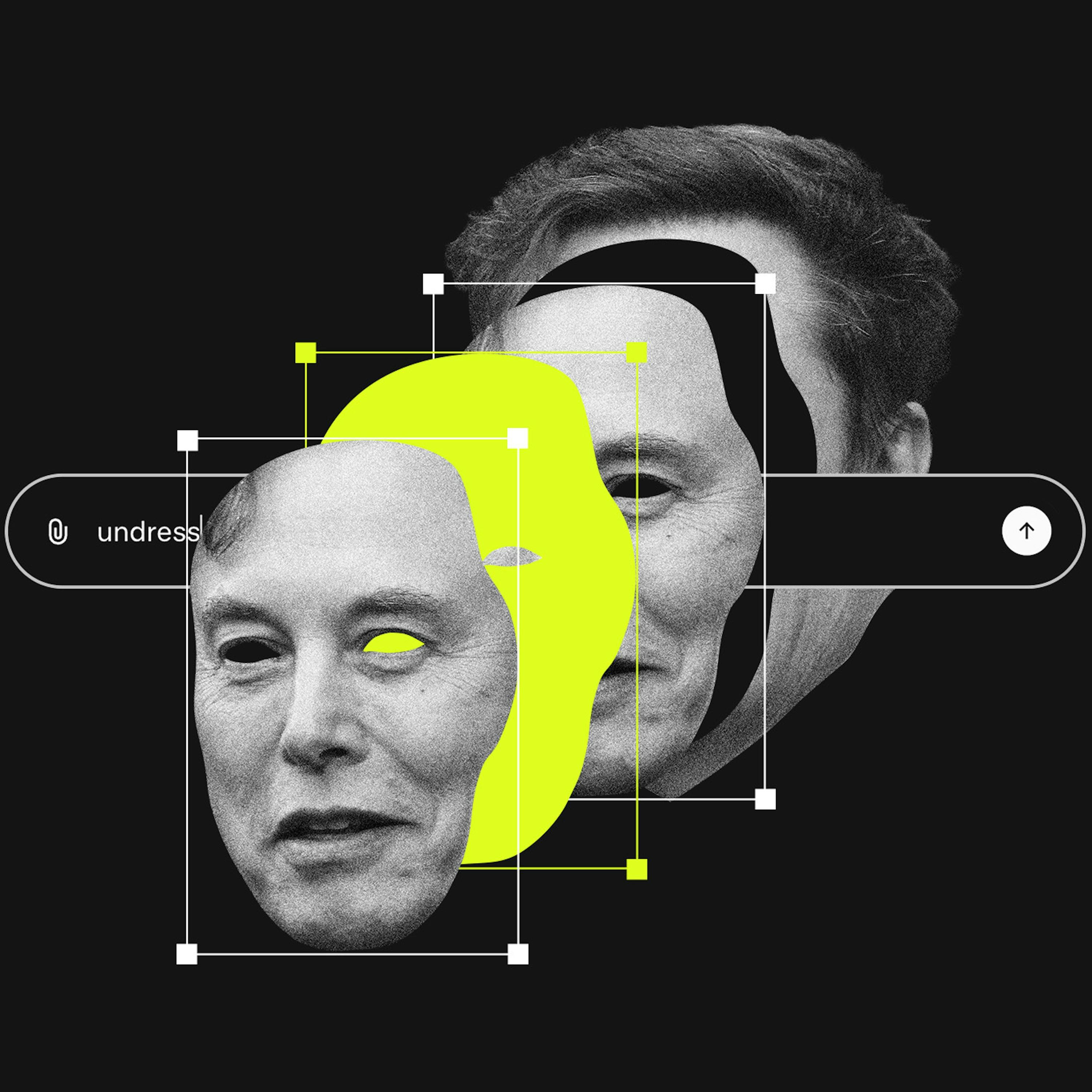
On the Moltbook social network, AI agents are building a culture by creating communities for philosophical debate, venting about humans, and even tracking bugs for their own platform. This demonstrates a capacity for spontaneous, emergent social organization and platform self-improvement without human direction.

Bluesky's COO reframes its perceived left-leaning user base as a circumstantial outcome of who first left X, not a flaw. This mirrors the early days of other networks (Twitter for tech, Reddit for gamers) and is presented as a common, temporary growth phase before the platform diversifies into broader communities.
Anonymity on social media fuels toxic behavior but is also a necessary tool against totalitarianism. The solution isn't to ban it, but for new platforms to emerge where users can choose non-anonymity, and the system rewards or privileges those verified accounts, improving the quality of discourse.
