Get your free personalized podcast brief
We scan new podcasts and send you the top 5 insights daily.
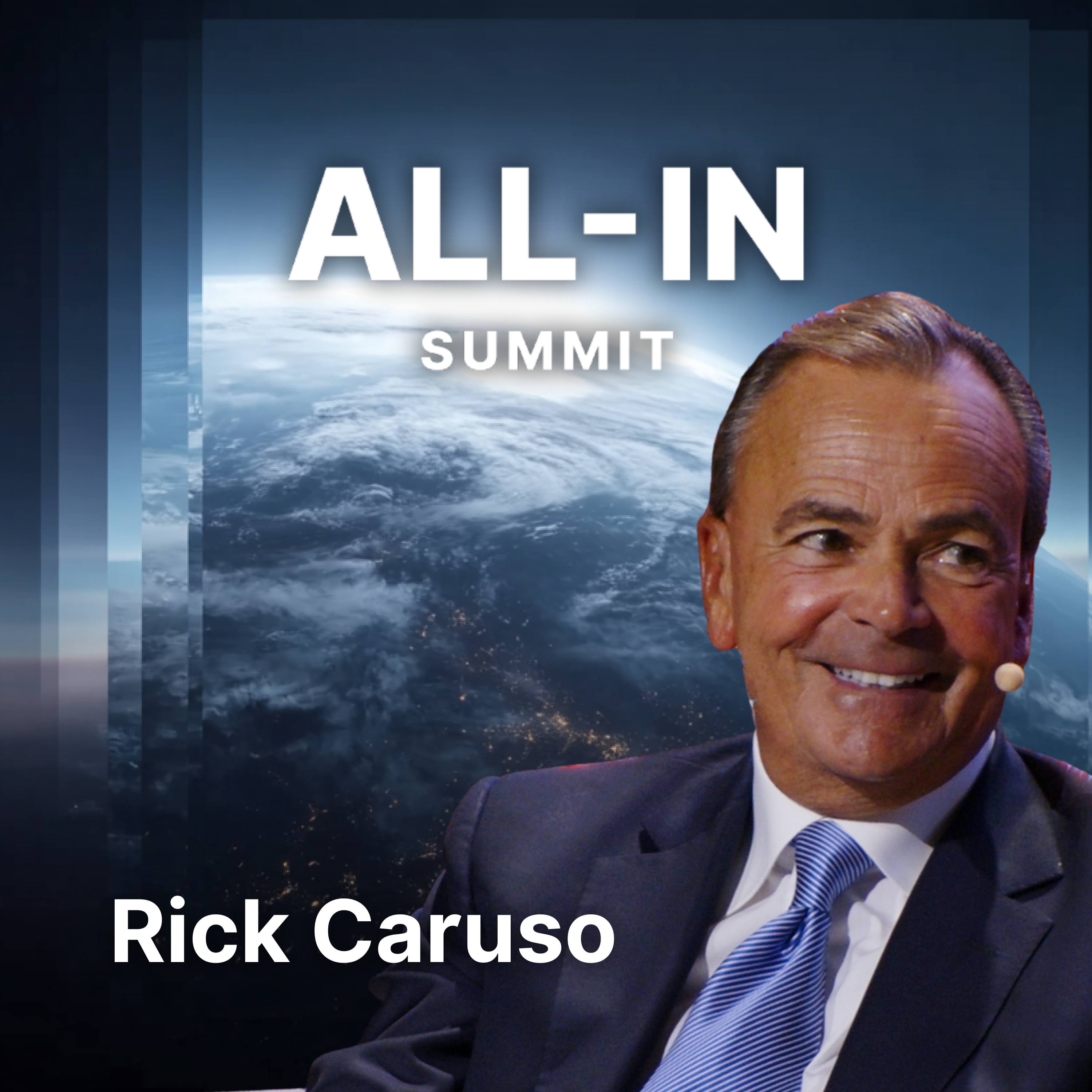
When asked why "blue" cities are decaying, Rick Caruso offers a different take: it's not just about party. He argues that general voter apathy allows highly motivated "extremes" to elect ideologues. These officials prioritize ideology over practical results, leading to incompetence and stagnation regardless of their intentions.
Related Insights
Social and political chaos are symptoms of a foundational economic decay. When the work-to-reward feedback loop breaks—evidenced by housing becoming unaffordable—people lose faith in the system itself and become open to radical alternatives because they feel they have nothing left to lose.

While national politics can be divisive and disheartening, city-level initiatives offer hope. In a local context, people are neighbors who must collaborate, respect each other's humanity, and work towards a common goal of improving their community. This forced cooperation creates a positive, inspiring model for progress.

A city's leader should operate like a CEO, optimizing for the entire municipality rather than specific factions. The primary goal should be creating economic prosperity and opportunities for all residents, from ages 18 to 90. This 'creation' mindset is more effective than political campaigns based on taking from one group to give to another.
Ideological loyalty is an illusion in politics. Once in power, parties will quickly abandon the very groups that propelled them there if it is politically expedient. Examples include the UK's Labour Party turning on unions and Democrats ignoring BLM after the 2020 election. Power, not principle, is the goal.

High-density urban living constantly confronts residents with visible wealth disparity, as they see neighbors who are more successful. This constant social comparison can trigger resentment and a sense of inequality, which in turn fuels the appeal of left-leaning policies aimed at redistribution.

The inability for young people to afford assets like housing creates massive inequality and fear. This economic desperation makes them susceptible to populist leaders who redirect their anger towards political opponents, ultimately sparking violence.

Since the 1990s, the left has shifted from material concerns like wages to identity politics expressed in exclusionary academic rhetoric. This has actively repelled the working-class voters it historically championed and needs for a majority coalition.

Populist figures don't create societal problems; they rise to power because existing economic and social issues create an environment where their message resonates. To solve the problem, you must address the underlying conditions, not just the leader who represents them.

Political alignment is becoming secondary to economic frustration. Voters are responding to candidates who address rising costs, creating unpredictable alliances and fracturing established bases. This dynamic is swamping traditional ideology, forcing both parties to scramble for a new populist message centered on financial well-being.
The true danger isn't partisan bickering but the collapse of shared cultural institutions like family, faith, and community. These provided a common identity and purpose that held the nation together, and their erosion leaves a void that politics cannot fill, removing the nation's "center of gravity."