Get your free personalized podcast brief
We scan new podcasts and send you the top 5 insights daily.
Palmer Luckey claims a Reuters story about security flaws in an Anduril prototype was deliberately misleading. He states the journalist intentionally omitted statements from Anduril and the Army explaining the system was an early, non-secure build, which would have rendered the negative story irrelevant.

Related Insights
Print interviews are uniquely susceptible to manipulation because journalists can strip away crucial context like tone, humor, and clarifying statements. By selectively publishing only the most extreme lines, they can paint a subject in a negative light while maintaining plausible deniability of misquoting.
Critical media narratives targeting experienced tech leaders in government aim to intimidate future experts from public service. By framing deep industry experience as an inherent conflict of interest, these stories create a vacuum filled by less-qualified academics and career politicians, ultimately harming the quality of policymaking.

Investing in founders like Rippling's Parker Conrad or Anduril's Palmer Luckey post-controversy is a bet that the media narrative was wrong and they were unfairly 'thrown under the bus.' It's a high-conviction strategy focused on backing resilient individuals who emerge from public firestorms stronger and more focused.
Former journalist Natalie Brunell reveals her investigative stories were sometimes killed to avoid upsetting influential people. This highlights a systemic bias that protects incumbents at the expense of public transparency, reinforcing the need for decentralized information sources.

David Sacks hired defamation law firm Clare Locke to challenge a New York Times story he called a "hoax factory." This proactive legal strategy represents a shift where tech leaders are no longer just responding to articles but actively litigating and shaping the narrative before and during publication.

Defense tech company Anduril's marketing power stems from a core product principle: only show real products working. This commitment to authenticity—showing real explosions, not special effects—builds a powerful, trusted brand that attracts elite talent in a way slick marketing cannot.
AI companies engage in "safety revisionism," shifting the definition from preventing tangible harm to abstract concepts like "alignment" or future "existential risks." This tactic allows their inherently inaccurate models to bypass the traditional, rigorous safety standards required for defense and other critical systems.
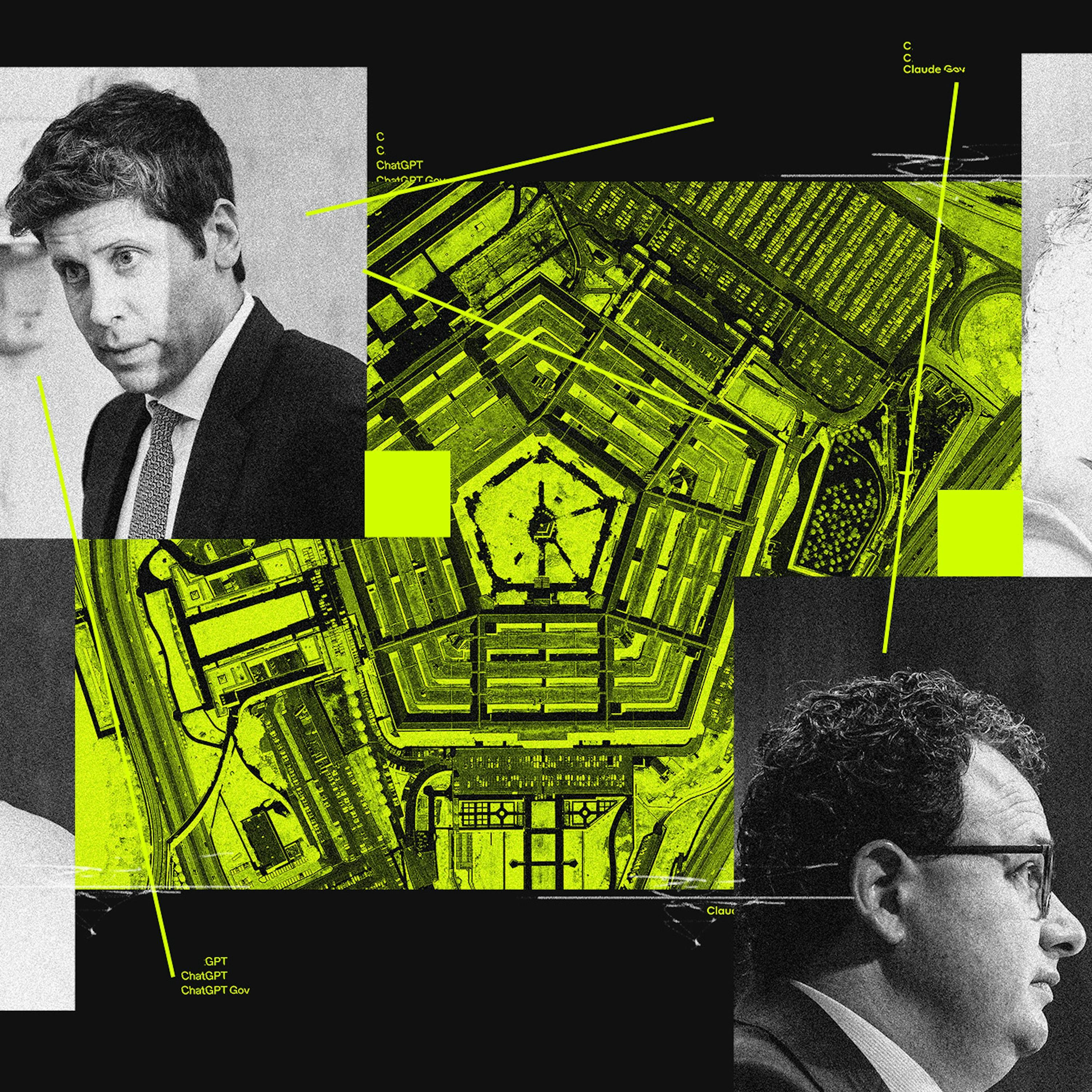
The controversial WSJ quote "We do fail a lot" should be embraced by Anduril. It frames failure as a key part of rapid, venture-backed R&D, distinguishing its agile culture from the slower, risk-averse model of traditional taxpayer-funded defense contractors.
Early product prototypes prioritize solving a core problem over perfecting infrastructure like security. This standard tech practice can be misunderstood and portrayed as a critical flaw by media unfamiliar with the iterative development process, creating a public relations challenge.

While optical camouflage to trick the human eye is a solved technology, it's irrelevant on the modern battlefield. Adversaries rely on a wide spectrum of sensors like infrared, thermal, and radar, which can easily detect optically-cloaked objects, making the technology strategically impractical for Anduril's customers.