Get your free personalized podcast brief
We scan new podcasts and send you the top 5 insights daily.
While Buffett viewed Bitcoin as useless for not producing cash flow, Bill Miller questioned the premise itself. He asked, "Who said the goal... is to own assets that generate cash? I thought the goal was to make money." This first-principles, philosophical thinking is a major competitive advantage.
Related Insights
The key to emulating professional investors isn't copying their trades but understanding their underlying strategies. Ackman uses concentration, Buffett waits for fear-driven discounts, and Wood bets on long-term innovation. Individual investors should focus on developing their own repeatable framework rather than simply following the moves of others.

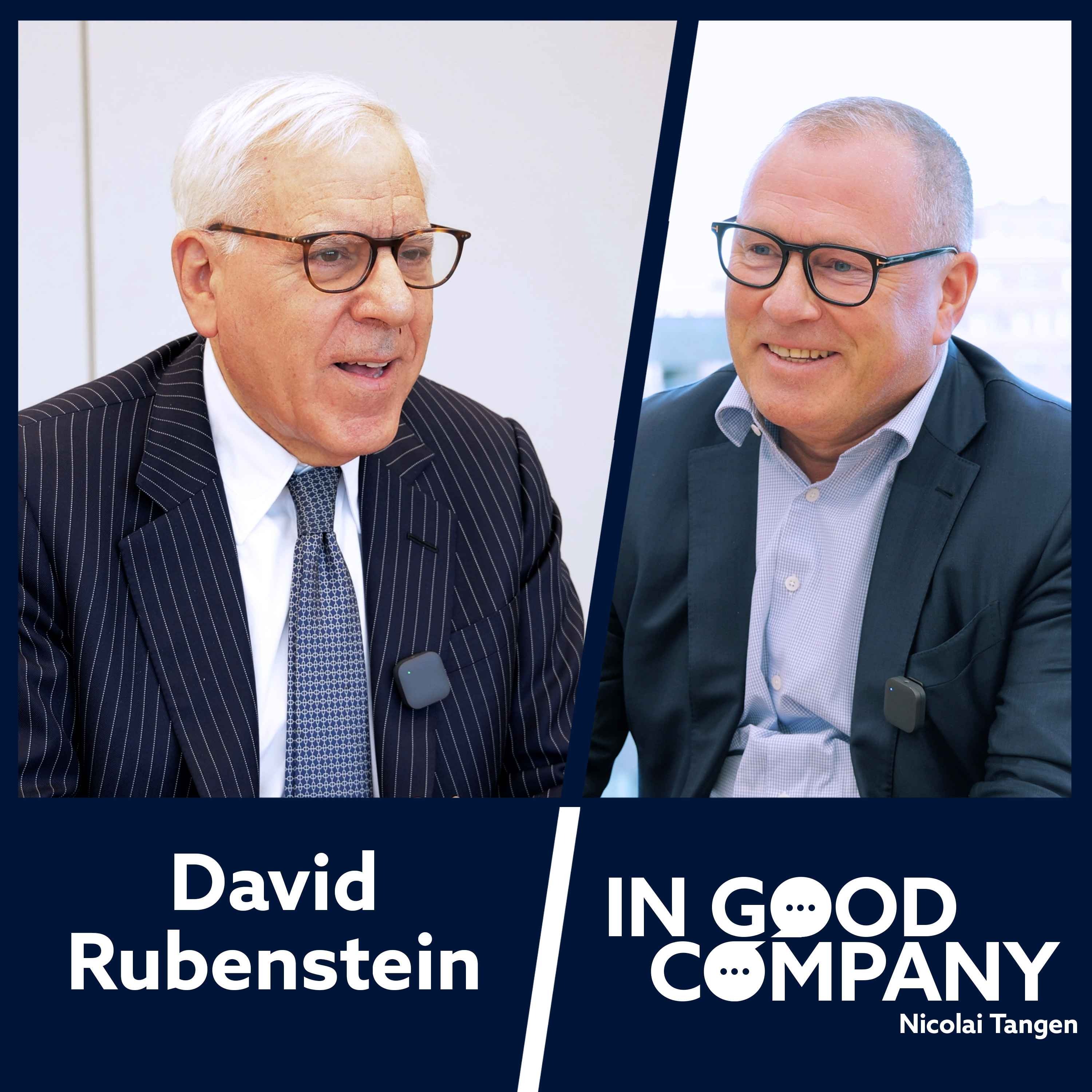
To achieve above-average investment returns, one cannot simply follow the crowd. True alpha comes from contrarian thinking—making investments that conventional wisdom deems wrong. Rubenstein notes the primary barrier is psychological: overcoming the innate human desire to be liked and the fear of being told you're 'stupid' by your peers.
Beyond "buy and hold," Pilecki highlights two overlooked Buffett insights. First, high portfolio turnover can yield massive returns on a small capital base. Second, Buffett's greatest self-critique was being insufficiently optimistic and not taking enough risk, urging a "permabull" mindset.

Companies like Tesla and Oracle achieve massive valuations not through profits, but by capturing the dominant market story, such as becoming an "AI company." Investors should analyze a company's ability to create and own the next compelling narrative.

Bruce Lee’s philosophy to be “formless, shapeless, like water” is a powerful model for investors. It warns against rigid adherence to a single dogma, like old-school value investing, and instead encourages adapting one's strategy to fit the unique conditions of the current market environment.

In 2008, Howard Marks invested billions with conviction while markets crashed, yet he wasn't certain of the outcome. He held the paradox of needing to act decisively against the crowd while simultaneously accepting the real possibility of being wrong. This mental balance is crucial for high-stakes decisions.
Kyle Samani is "intellectually short" Bitcoin because he sees it as an unproductive asset. He argues platforms like Ethereum and Solana offer the same core benefits—a fixed, code-defined supply—while also being economically productive. This makes them a superior long-term asset class from a first-principles perspective, despite his firm holding some Bitcoin financially.

An investor's Bitcoin thesis rests on three pillars: 1) as a self-custodied asset for debanking/borderless scenarios, 2) as an investment for pure price appreciation ("number go up"), and 3) as an ethical holding to support a better financial system. This framework clarifies why proxies like MSTR satisfy the latter two needs but never the first.

According to Ken Griffin, legendary investors aren't just right more often. Their key trait is having deep clarity on their specific competitive advantage and the conviction to bet heavily on it. Equally important is the discipline to unemotionally cut losses when wrong and simply move on.

Instead of focusing on process, allocators should first ask managers fundamental questions like "What do you believe?" and "Why does this work?" to uncover their core investment philosophy. This simple test filters out the majority of firms that lack a deeply held, clearly articulated conviction about their edge.
