Get your free personalized podcast brief
We scan new podcasts and send you the top 5 insights daily.
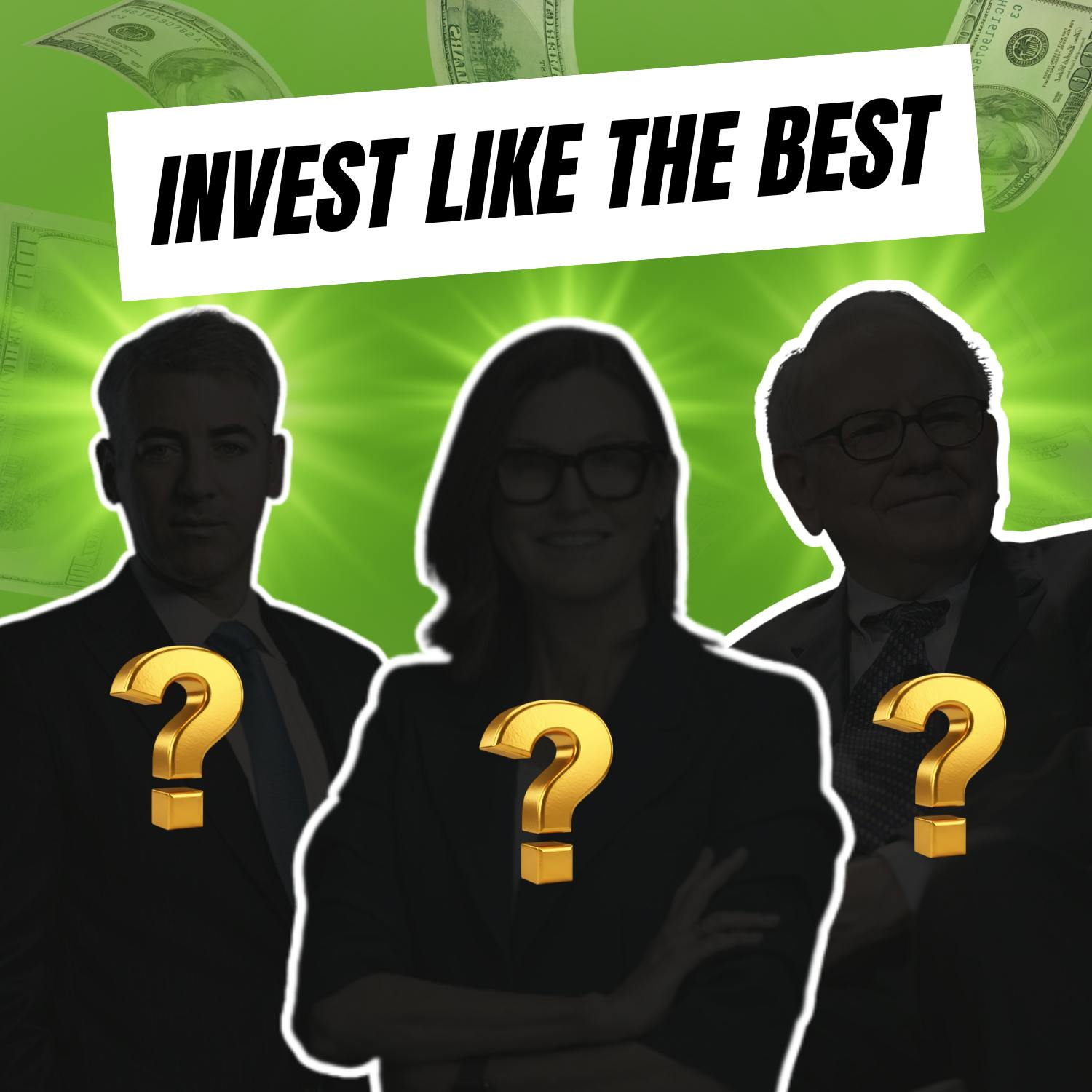
The key to emulating professional investors isn't copying their trades but understanding their underlying strategies. Ackman uses concentration, Buffett waits for fear-driven discounts, and Wood bets on long-term innovation. Individual investors should focus on developing their own repeatable framework rather than simply following the moves of others.
Related Insights
True investment prowess isn't complex strategies; it's emotional discipline. Citing Napoleon, the ability to simply do the average thing—like not panic selling—when everyone else is losing their mind is what defines top-tier performance. Behavioral fortitude during a crisis is the ultimate financial advantage.
During due diligence, it's crucial to look beyond returns. Top allocators analyze a manager's decision-making process, not just the outcome. They penalize managers who were “right for the wrong reasons” (luck) and give credit to those who were “wrong for the right reasons” (good process, bad luck).
![[REPLAY] Matt Bank - "GEMs" of Risk, Asset Allocation, and Manager Selection (EP.419) thumbnail](https://static.libsyn.com/p/assets/f/b/7/6/fb76e1c8bfb69e8dd959afa2a1bf1c87/CA_Square_logo_light_background_6.26.24.jpg)
Don't chase every deal. Like a spearfisherman, anchor in a strategic area and wait patiently for the 'big fish'—a once-in-a-decade opportunity—then act decisively. This requires years of preparation and the discipline to let smaller opportunities pass by, focusing only on transformative deals.
![Martín Escobari - Inside General Atlantic - [Invest Like the Best, EP.449] thumbnail](https://megaphone.imgix.net/podcasts/90e6e3e6-c984-11f0-ae5f-27bb851bdc56/image/608fac468f77cb3014e96336896d96de.jpg?ixlib=rails-4.3.1&max-w=3000&max-h=3000&fit=crop&auto=format,compress)
Many LPs focus solely on backing the 'best people.' However, a manager's chosen strategy and market (the 'neighborhood') is a more critical determinant of success. A brilliant manager playing a difficult game may underperform a good manager in a structurally advantaged area.
Elite decision-making transcends pure analytics. The optimal process involves rigorously completing a checklist of objective criteria (the 'mind') and then closing your eyes to assess your intuitive feeling (the 'gut'). This 'educated intuition' framework balances systematic analysis with the nuanced pattern recognition of experience.
A common activist trap is 'ambulance chasing'—looking for problems to fix. ValueAct argues the correct sequence is to first identify a great company with a differentiated investment thesis. The need for influence is secondary, preventing adverse selection.
Truly great ideas are rarely original; they are built upon previous work. Instead of just studying your heroes like Buffett or Jobs, research who *they* studied (e.g., Henry Singleton, Edwin Land). This intellectual genealogy uncovers the timeless, foundational principles they applied.

According to Ken Griffin, legendary investors aren't just right more often. Their key trait is having deep clarity on their specific competitive advantage and the conviction to bet heavily on it. Equally important is the discipline to unemotionally cut losses when wrong and simply move on.

The most common financial mistakes happen not from bad advice, but from applying good advice that is mismatched with your individual personality and goals. Finance is an art of self-awareness, not a universal science where one strategy fits all. The optimal path for someone else could be disastrous for you.
Seeing an existing successful business is validation, not a deterrent. By copying their current model, you start where they are today, bypassing their years of risky experimentation and learning. The market is large enough for multiple winners.
