Get your free personalized podcast brief
We scan new podcasts and send you the top 5 insights daily.
The American suburban ideal of a yard, a dog, and local control is impossible in China. The Communist Party's need for social control and policies mandating food self-sufficiency near cities ensures dense apartment living remains the norm.
Related Insights
The policy restricted developer borrowing to curb speculation but failed to address the core drivers: households' need for a savings vehicle and local governments' dependency on land sales for revenue. By attacking the intermediary, the policy caused a crisis without solving the fundamental problem.

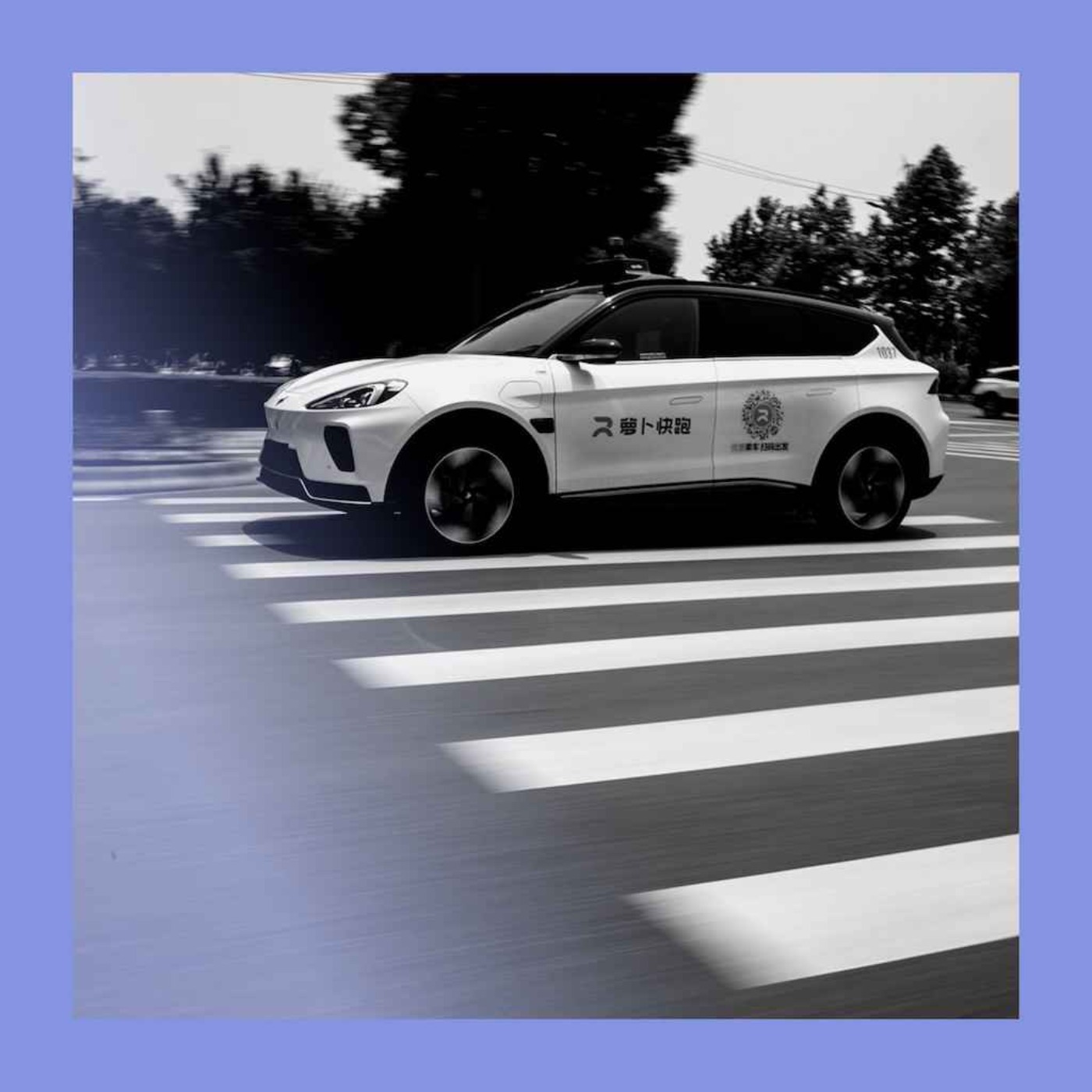
Contrary to perceptions of rigid control, China accelerates tech progress by empowering local regulators to be agile. These regulators create urban "test beds" for technologies like autonomous taxis, which entices talent and investment, turbocharging development cycles far ahead of Western counterparts.
The rise of a precarious gig workforce of over 200 million people directly contradicts the Communist Party's founding promise of a "dictatorship of the proletariat." This growing underclass, living with minimal security and rights, represents a societal shift towards a capitalist-style structure that the party was originally formed to overthrow, creating a deep ideological crisis.

The hukou system links social welfare benefits to one's hometown, not their place of work. Migrant workers in cities are thus excluded from local safety nets, compelling them to invest heavily in real estate as a private substitute for state-provided welfare, healthcare, and retirement security.
China's immense state capacity allows for rapid infrastructure development but also enables disastrous national policies like the one-child policy or Zero-COVID. Unlike the deliberative U.S. system, China's efficiency means that when it goes off track, it can go catastrophically off track before any course correction is possible.
![Dan Wang - The US vs China In The 21st Century - [Invest Like the Best, EP.444] thumbnail](https://megaphone.imgix.net/podcasts/e1599a88-a9f6-11f0-b532-e3695bb27d60/image/0f5c07552cef2689e5834d56786ad6f1.jpg?ixlib=rails-4.3.1&max-w=3000&max-h=3000&fit=crop&auto=format,compress)
China's constant building of subways, high-speed rail, and parks provides tangible proof of national improvement. This "physical dynamism" creates a powerful sense of public optimism and builds political resilience for the Communist Party, a stark contrast to the stagnation felt in the U.S.

China's "engineering state" mindset extends beyond physical projects to social engineering. The Communist Party treats its own people as a resource to be moved or molded—whether displacing a million for a dam or enforcing the one-child policy—viewing society as just another material to achieve its objectives.
While US cities have infrastructure flaws, America's true strength is creating the world's most desirable suburbs, where people report being happiest. This lifestyle model is a key cultural feature that China's control-oriented system cannot replicate.
Due to financial repression and a lack of viable investment alternatives, Chinese households rationally pour savings into property, often leaving them vacant. This creates an affordability crisis for those needing a home, alongside a massive inventory of empty apartments held as investments.
Politicians at all levels actively restrict housing supply through zoning and other policies. This is not incompetence, but a deliberate strategy to protect and inflate property values, which satisfies the large and reliable homeowner voting bloc, ensuring re-election at the expense of renters and future buyers.