Get your free personalized podcast brief
We scan new podcasts and send you the top 5 insights daily.
Brilliant's successful AI tutor integration wasn't a quick pivot. It resulted from a multi-year strategy, started in the GPT-2 era, of building an interactive canvas infrastructure with APIs that LLMs could read and write to, allowing for a constrained and pedagogically sound AI role.
Related Insights
OpenAI is launching its first certifications with courses taught directly inside the ChatGPT interface, where AI acts as a tutor. This strategy creates a powerful, self-contained ecosystem where the product itself is the primary platform for user training, practice, and credentialing.
Instead of competing with labs on model training, the defensible strategy is to build the ideal environment or 'habitat' for an LLM in a specific vertical. Replit did this for programming by adapting its editor, cloud infrastructure, and deployment tools to serve the AI, not just the human.

The most transformative application of AI could be in education, by making one-on-one tutoring universally accessible. This method, known as Bloom's 2 sigma effect, is proven to be incredibly effective but has been historically impossible to scale due to human limitations. AI can finally deliver this for every student.

Frontier LLMs are poor tutors because they lack verifiable reward signals for learning. Brilliant's system captures real learning loops, using "did the student actually understand?" as a reward signal. This creates a unique dataset to fine-tune models specifically for tutoring.
New features in Google's Notebook LM, like generating quizzes and open-ended questions from user notes, represent a significant evolution for AI in education. Instead of just providing answers, the tool is designed to teach the problem-solving process itself. This fosters deeper understanding, a critical capability that many educational institutions are overlooking.
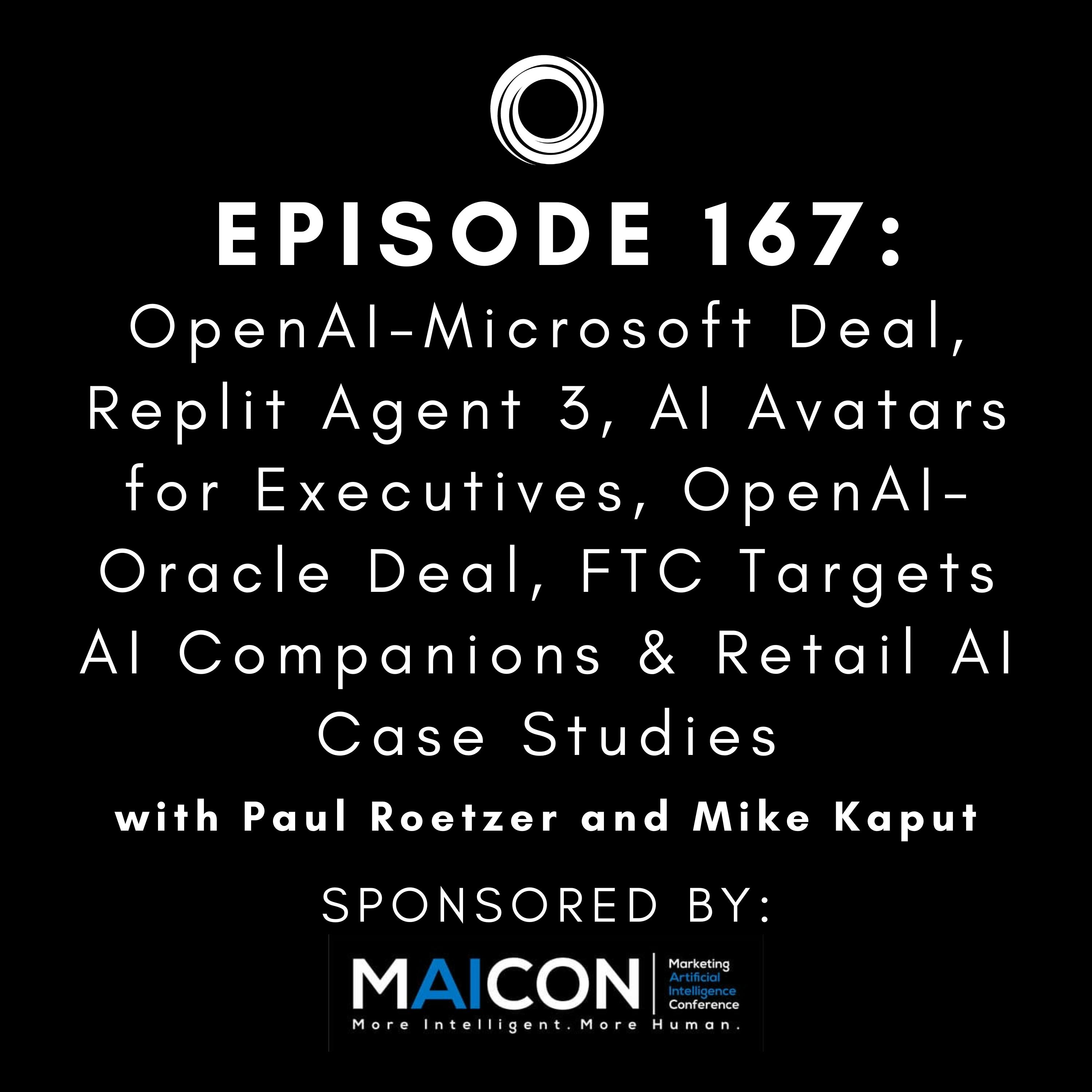
General LLMs are powerful but lack the core architecture of a true learning platform. A dedicated educational tool needs built-in pedagogical methods, multimodal content, and a clear structure, which is absent in a conversational, general-purpose AI that was not built for learning at its core.

Current AI study tools fail by producing a 'paper thin patchwork' of disconnected outputs. The superior approach is to generate multiple, coherent outputs—like notes, tutorials, and tests—from a single corpus and model. This ensures a consistent and interconnected learning experience for the student.
Historically, one-on-one tutoring—proven to boost student outcomes by two standard deviations (the "Bloom Two Sigma effect")—was reserved for the elite. AI now makes this highly effective, personalized educational model scalable and accessible to all.

Brilliant, an AI tutoring company, measures success by its ability to make itself unnecessary. The goal is to scaffold a learner until they become self-sufficient, a philosophy akin to dating apps where successful churn is a feature. This contrasts sharply with platforms designed for maximum continuous engagement.

The traditional teacher role impossibly bundles domain expert, instructional designer, motivator, and parent liaison. Alpha School unbundles it: AI handles personalized instruction, freeing the human "Guide" to focus entirely on connecting with, motivating, and coaching students—their highest-leverage skills.
