Get your free personalized podcast brief
We scan new podcasts and send you the top 5 insights daily.
To maintain high output without sacrificing sleep, Hans Ulrich Obrist employs a 'night producer.' He works with them for an hour before bed, delegating tasks like correspondence and editing, which are completed overnight and ready by morning.

Related Insights
For cognitive and creative pursuits, scheduled rest and renewal are not optional indulgences. They are critical for insight, creativity, and sustained performance. Activities like walking actively improve creative output.

Contrary to the typical focus on efficiency, the most valuable discoveries with AI often come from unstructured exploration. Dedicate off-peak hours (e.g., 7 p.m. to 7 a.m.) to follow tangents and experiment creatively without the pressure of immediate productivity.

Top creators don't wait for inspiration; they engineer it through structured rest. Activities like taking multiple showers (Sorkin), aimless boating (Einstein), or problem-solving walks (Darwin) look unproductive but are crucial for high-quality creative output. This contrasts with the modern tendency to brute-force solutions at a desk.

The best creative solutions often surface when you're not actively working. After absorbing project information, stepping away for days or weeks allows the subconscious to process and connect ideas, leading to stronger, more innovative outcomes than forced brainstorming.

To maintain high creative output, founder Jesse Cole starts each morning by writing and ideating before checking email or social media. By setting an "idea bucket" the night before, he ensures he dedicates his freshest energy to his own priorities, not reacting to others'—a key discipline for creative leaders.

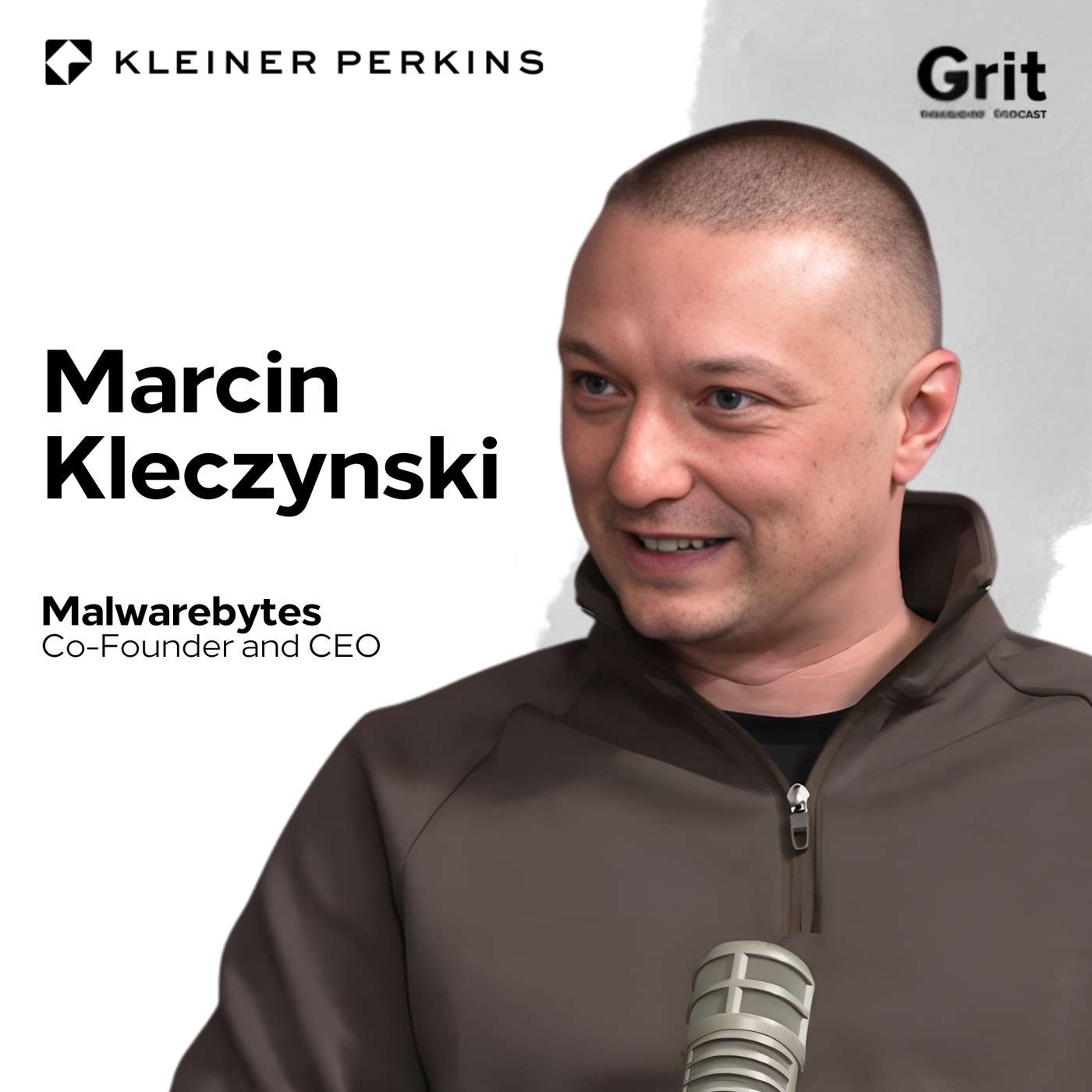
To last 18+ years as CEO, Marcin Kleczynski had to "settle in." He stopped pulling all-nighters, realizing that a few hours of sleep allowed him to solve complex problems in minutes that he had fruitlessly struggled with for hours while exhausted.
Author Jim Collins achieves two daily peaks of creative energy by napping. He treats the post-nap period as a "second morning," a fresh start for high-value work. This allows him to reset and tackle demanding tasks twice a day with the same level of clarity and energy.

Society often glorifies early mornings as the key to success, but different schedules suit different types of work. Staying up late can foster greater creativity, whereas waking up early may be better suited for task-oriented productivity. Individuals should align their work schedules with their personal chronotype and goals.

The "always-on" nature of agents like Clawdbot enables a new work paradigm. Users can assign complex tasks before sleeping and wake up to completed work, effectively turning sleep hours into productive hours for their digital assistant.

Frame mundane life-maintenance tasks like eating, cleaning, and laundry as "humaning." By systematically outsourcing this work, you eliminate distractions from your primary goals. This allows you to create an environment of extreme focus, effectively doubling your productive output.
