Get your free personalized podcast brief
We scan new podcasts and send you the top 5 insights daily.
Pleasure derived from drugs is often dismissed as illegitimate or "unearned," unlike other sources of happiness. This deep-seated moral bias prevents balanced, adult conversations about drug policy, forcing discussions to focus exclusively on addiction and potential harm rather than the full spectrum of effects.

Related Insights
The criminalization of drugs is a modern phenomenon, emerging only in the 20th century. For most of history, substances were legal and readily available for spiritual, religious, and recreational use, reframing the current prohibited status as a historical aberration, not the norm.

Modern society turns normal behaviors like eating or gaming into potent drugs by manipulating four factors: making them infinitely available (quantity/access), more intense (potency), and constantly new (novelty). This framework explains how behavioral addictions are engineered, hijacking the brain’s reward pathways just like chemical substances.
Contrary to the dominant media narrative, neuroscientist Carl Hart asserts that the vast majority of people using even the most vilified drugs are not addicted. They successfully manage their parental, occupational, and social responsibilities, challenging the idea that use inevitably leads to ruin.
Carl Hart argues scientific research on drugs is systemically biased. The primary funding body, the National Institute on Drug Abuse, is mission-bound to focus almost exclusively on negative effects. This incentivizes researchers, journal editors, and reviewers to find and emphasize harm, creating a biased echo chamber.
A powerful definition of addiction is the gradual shrinking of a person's sources of joy. As the addiction takes hold, natural rewards like relationships, work, and hobbies fall away until the substance or behavior becomes the only thing left that provides a feeling of reward, creating a powerful psychological dependency.

Addiction isn't defined by the pursuit of pleasure. It's the point at which a behavior, which may have started for rational reasons, hijacks the brain’s reward pathway and becomes compulsive. The defining characteristic is the inability to stop even when the behavior no longer provides pleasure and begins causing negative consequences.
Professor Carl Hart argues that societal acceptance of drugs is linked to social class. Psychedelics are becoming hip because they're used by the educated elite, while drugs like heroin and meth remain stigmatized as they are associated with lower socioeconomic classes and marginalized groups.
Genes linked to addiction, impulsivity, and aggression are most active during fetal development, affecting the brain's fundamental balance of inhibition and excitation. This reframes addiction and conduct disorders as neurodevelopmental conditions akin to ADHD, rather than purely as choices or moral failings.
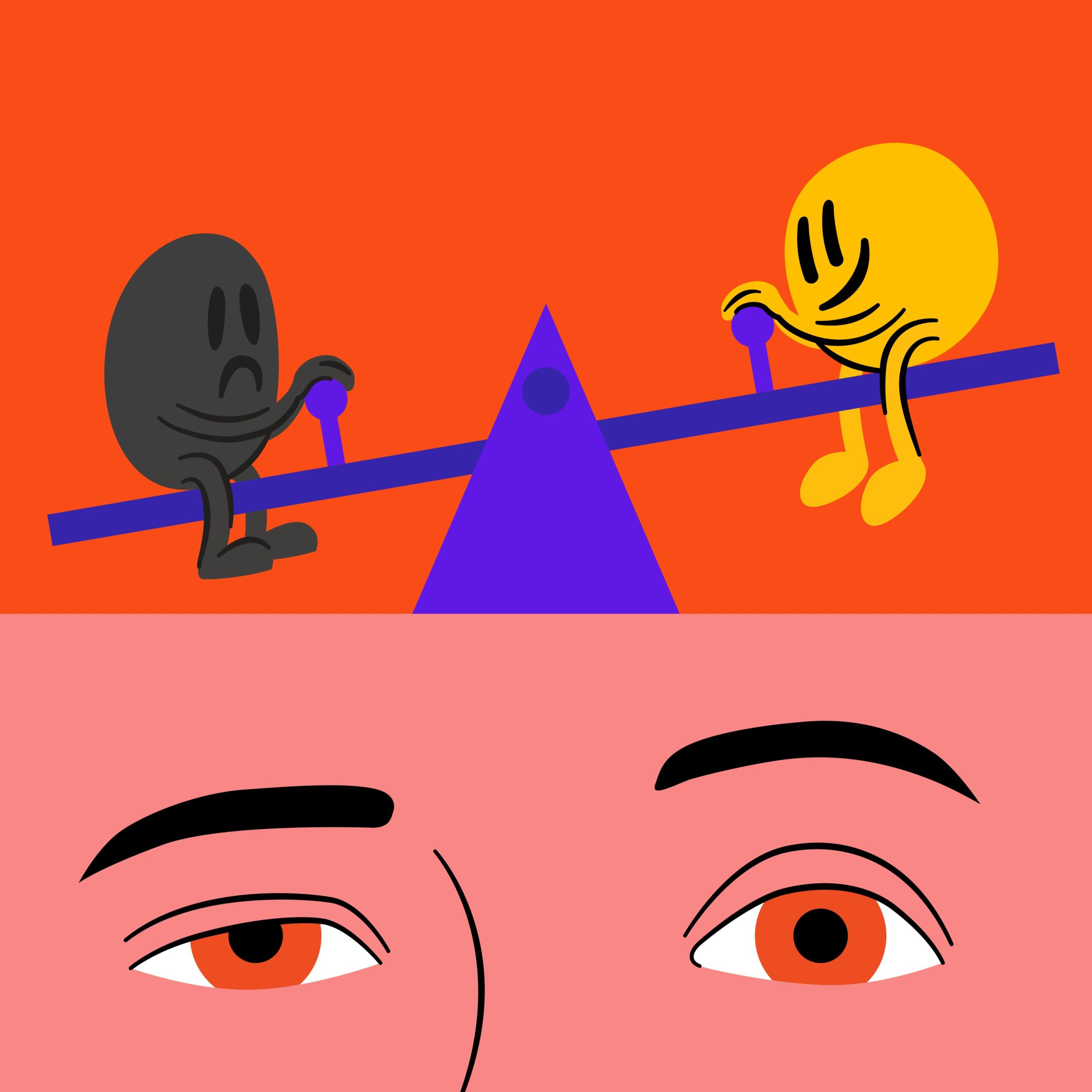
Constantly bombarding our reward pathways causes the brain to permanently weigh down the 'pain' side of its pleasure-pain balance. This alters our baseline mood, or 'hedonic set point,' meaning we eventually need our substance or behavior not to get high, but simply to escape a state of withdrawal and feel normal.
Hart's drug policy vision involves legal regulation, not a free-for-all. It includes user licensing for potent substances, government quality and dose control to prevent overdoses, and public education on safer consumption methods to mitigate risks.