Get your free personalized podcast brief
We scan new podcasts and send you the top 5 insights daily.
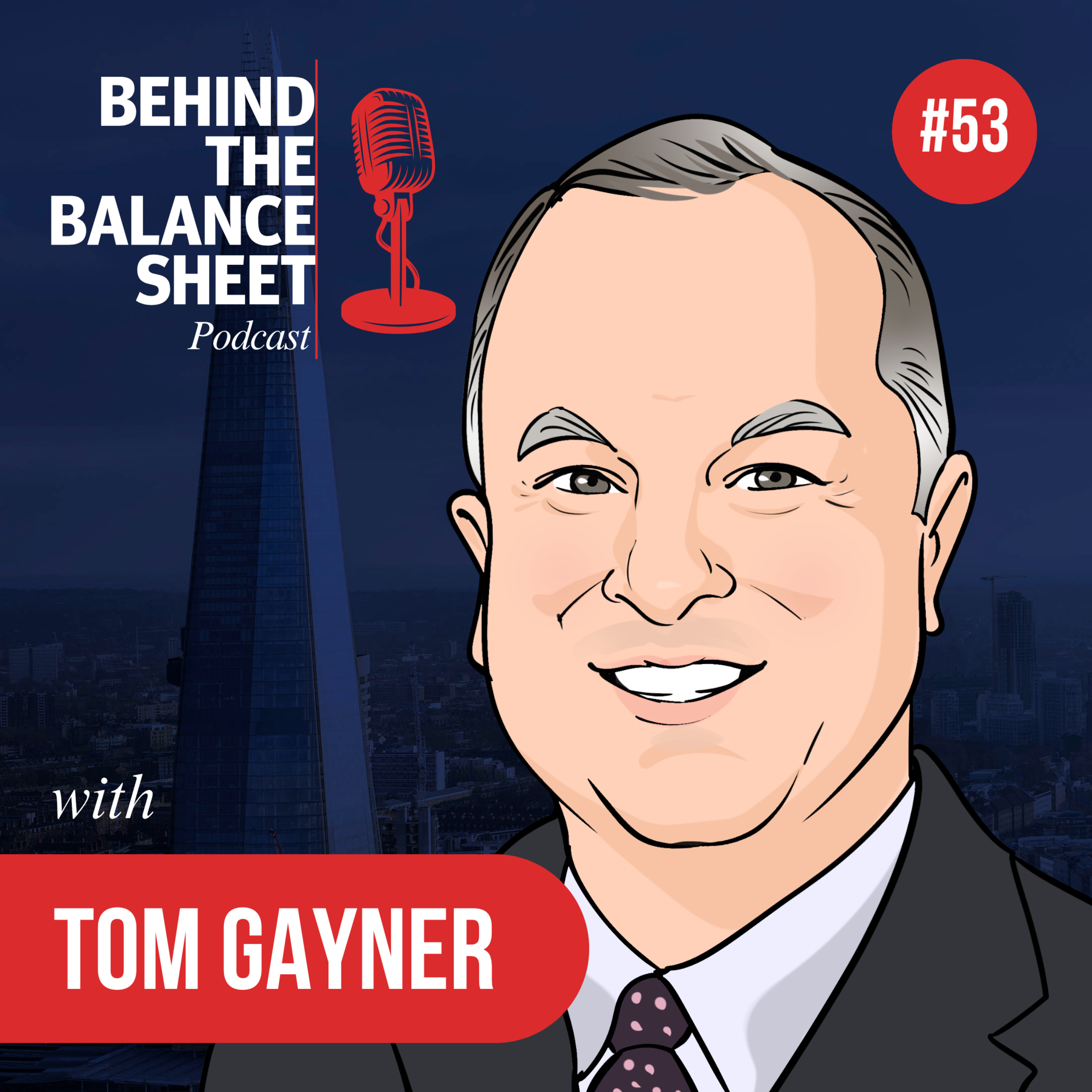
Tom Gaynor sold CarMax based on a flawed thesis about COVID's impact. However, the decision was driven by a correct higher-order process: de-risking the entire portfolio to ensure Markel's survival. This highlights prioritizing process and survival over being right on a single outcome.
Related Insights
During due diligence, it's crucial to look beyond returns. Top allocators analyze a manager's decision-making process, not just the outcome. They penalize managers who were “right for the wrong reasons” (luck) and give credit to those who were “wrong for the right reasons” (good process, bad luck).
![[REPLAY] Matt Bank - "GEMs" of Risk, Asset Allocation, and Manager Selection (EP.419) thumbnail](https://static.libsyn.com/p/assets/f/b/7/6/fb76e1c8bfb69e8dd959afa2a1bf1c87/CA_Square_logo_light_background_6.26.24.jpg)
Durable Capital's process includes a mandatory three-year look-back for every investment, comparing the original thesis to reality. This is crucial because while small deviations can be excused quarterly, compounding them over 12 quarters reveals significant thesis drift. The formal review forces an intellectually honest assessment of whether a slow-moving problem has become critical.
![Henry Ellenbogen - Man Versus Machine - [Invest Like the Best, EP.452] thumbnail](https://megaphone.imgix.net/podcasts/498a0910-d6ea-11f0-aae4-8f837283e00f/image/9b60f0353346cd1b5cbd326c86e22287.jpg?ixlib=rails-4.3.1&max-w=3000&max-h=3000&fit=crop&auto=format,compress)
In 2008, Howard Marks invested billions with conviction while markets crashed, yet he wasn't certain of the outcome. He held the paradox of needing to act decisively against the crowd while simultaneously accepting the real possibility of being wrong. This mental balance is crucial for high-stakes decisions.
Contrary to the 'hold forever' value investing trope, a three-year period of underperformance is a strong signal that your initial thesis was flawed. It's better to admit the mistake and reallocate capital than to stubbornly wait for the market to agree with you.

Before committing capital, professional investors rigorously challenge their own assumptions. They actively ask, "If I'm wrong, why?" This process of stress-testing an idea helps avoid costly mistakes and strengthens the final thesis.

Corporate leaders are incentivized and wired to pursue growth through acquisition, constantly getting bigger. However, they consistently fail at the strategically crucial, but less glamorous, task of divesting assets at the right time, often holding on until value has significantly eroded.

Despite the emotional difficulty, the speaker was proud of making the strong decision to close the US office. The venture was compared to a casino game where they had to recognize when to stop putting chips on the table before it caused irreversible damage to the wider business.

A core discipline from risk arbitrage is to precisely understand and quantify the potential downside before investing. By knowing exactly 'why we're going to lose money' and what that loss looks like, investors can better set probabilities and make more disciplined, unemotional decisions.

Three dangerous mindsets, or "coats of conviction," derail M&A deals. They are: reactive positioning (chasing auctions), integration negligence (delaying planning), and the model mirage (trusting an untested financial model). A disciplined, proactive process is the antidote to these common pitfalls.

While having a disciplined rule like reviewing a stock after 24 months is useful, it should be subordinate to a more critical rule: sell immediately if the fundamental investment thesis breaks. This flexibility prevents holding onto a losing position simply to adhere to a predefined timeline.