Get your free personalized podcast brief
We scan new podcasts and send you the top 5 insights daily.
The check on authoritarian power doesn't require a majority opposition. In the U.S. Senate, a small faction of just 20 Republicans could privately threaten to join Democrats on an impeachment vote, effectively forcing the administration to reverse course. Their inaction signals political cowardice.

Related Insights
The Trump administration's strategy for control isn't writing new authoritarian laws, but aggressively using latent executive authority that past administrations ignored. This demonstrates how a democracy's own structures can be turned against it without passing a single new piece of legislation, as seen with the FCC.

The recurring threat of U.S. government shutdowns stems not from the Constitution, but from the Senate's filibuster convention. This procedural rule requires a 60-vote supermajority to pass budget bills, giving the minority party significant leverage to block legislation and trigger a shutdown, even without a majority of votes.
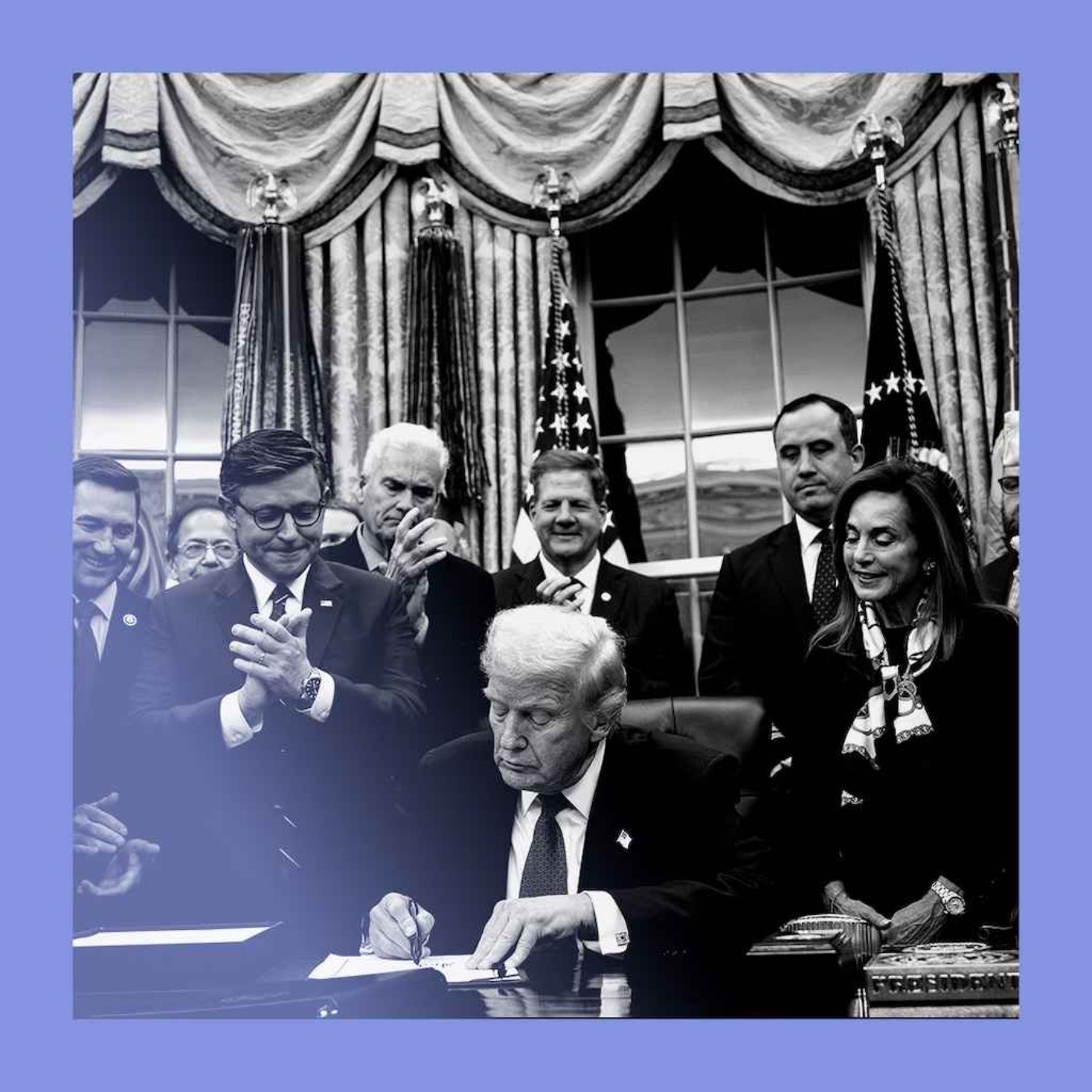
Cheering for a president to use executive orders or emergency powers is short-sighted. The opposition will eventually gain power and use those same expanded authorities for policies you oppose, creating a cycle of escalating executive action.

Directly attacking a charismatic leader can backfire due to personal loyalty. A more effective political strategy is to target their key advisors. Removing controversial figures can weaken the leader's power structure, as it is easier to build consensus against "bad actors" than the principal.

The expansion of executive power and erosion of political norms, such as state intervention in corporate decisions or attacks on media, will not be reversed. Future administrations, regardless of party, are unlikely to relinquish these new powers. A Democrat could use state capitalism to promote renewables just as a Republican uses it for oil.

Senator Sanders describes a 'Stalinist type allegiance' within the Republican party, where dissent against Donald Trump is rare. Politicians fear that any criticism will result in them being targeted in primary elections by billionaire-funded challengers, creating a cult of personality that stifles independent thought.

Trump's efforts are not just breaking norms but constitute an attempt at a full-blown "political revolution." The goal is to gain direct political control over institutions like the FBI and DOJ, weaponize them against political opponents, and eliminate the checks and balances that constrain presidential power.
The US was structured as a republic, not a pure democracy, to protect minority rights from being overridden by the majority. Mechanisms like the Electoral College, appointed senators, and constitutional limits on federal power were intentionally undemocratic to prevent what the founders called "mobocracy."

Even if legislation is guaranteed to fail, proposing it now creates a credible future threat that officials will be prosecuted for overreach, serving as a powerful deterrent against current abuses.
Political allies often remain silent critics until a leader's power begins to wane. The recent increase in Republicans publicly questioning Trump's economic grasp demonstrates this principle. This belated courage is more about political survival and opportunism than genuine conviction, emerging only after the personal risk has subsided.