Get your free personalized podcast brief
We scan new podcasts and send you the top 5 insights daily.
ARK Invest projects an $8-10 trillion market for autonomous ride-hailing, dwarfing the current ~$60B market of Uber and Lyft. This isn't just about replacing drivers; it's about a 4x cost reduction per mile (from ~$1.10 to $0.25). This dramatic price drop will absorb the entire transportation market, not just the existing ride-hailing segment.

Related Insights
As autonomous vehicles drop the per-mile cost of ride-sharing to under $1, it will become cheaper than owning a car. This price drop will induce massive demand, shifting most transportation to these networks and creating a market exponentially larger than the current industry.
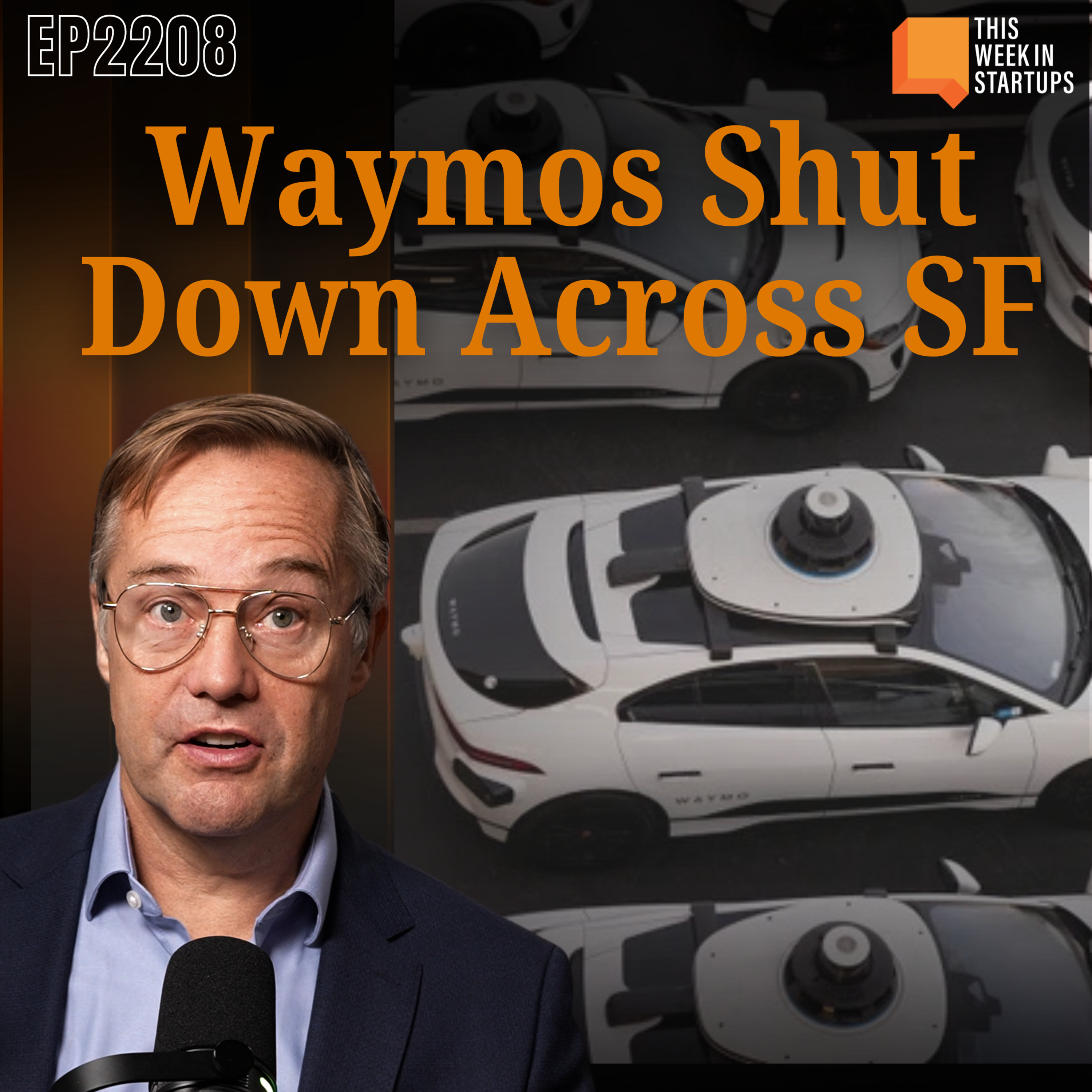
While the robo-taxi market is a massive $8-10 trillion opportunity, Cathie Wood's ARK Invest projects an even larger market for humanoid robots. They estimate this "embodied AI" sector could generate $26 trillion in revenue within 7 to 15 years. This re-contextualizes companies like Tesla as players in a future general-purpose robotics economy.
The future of gig work on Lyft isn't just about replacing drivers with corporate AV fleets. CEO David Risher envisions a model where individuals can own a self-driving car and add it to the Lyft platform, trading their vehicle's time for money instead of their own.

Autonomous vehicle technology will likely become a commodity layer, with most manufacturers providing their cars to existing ride-sharing networks like Uber and Lyft. Only a few companies like Tesla have the brand and scale to pursue a vertically-integrated, closed-network strategy.
As the operational cost of autonomous vehicles plummets, the business model will shift from fare-based revenue to advertising. By leveraging user data and AI like Grok, the car becomes a platform for hyper-targeted ads and commerce recommendations. This could eventually make rides free for consumers willing to engage with advertisers.

David Risher dismisses the zero-sum view of competing with Uber. He points out that the total rideshare market (2.5B annual rides) is dwarfed by the personal car market (160B rides). Lyft's true growth strategy is to convert personal car trips into rideshare, making direct competition a much smaller part of the picture.
Lyft's CEO argues the competition is not a binary battle with Uber for their combined 2.5 billion annual rides. Instead, the true target market is the 160 billion rides Americans take in their own cars. This reframes the opportunity from market share theft to massive market expansion and conversion.

The convergence of autonomous, shared, and electric mobility will drive the marginal cost of travel towards zero, resembling a utility like electricity or water. This shift will fundamentally restructure the auto industry, making personal car ownership a "nostalgic privilege" rather than a daily necessity for most people.

The transition from selling cars to operating a RoboTaxi network transforms Tesla's business model. A car sold for a one-time $4,000 profit could generate $200,000 in profit over a five-year period as an autonomous taxi. This 100x increase in lifetime value per unit represents a massive financial unlock for the company.
CEO David Risher claims data refutes the idea that AVs displace human drivers. Instead, Lyft's growth is faster in cities with AVs like San Francisco and Phoenix. He suggests AVs "oxygenate the market," expanding overall demand for ridesharing rather than just cannibalizing existing rides.