Get your free personalized podcast brief
We scan new podcasts and send you the top 5 insights daily.
The key to Red Hat's commercial open-source business is providing value the community doesn't. While open-source communities focus on rapid innovation, enterprises require long-term (e.g., 10-year) support and stability for the software they deploy—a paid service that Red Hat provides.

Related Insights
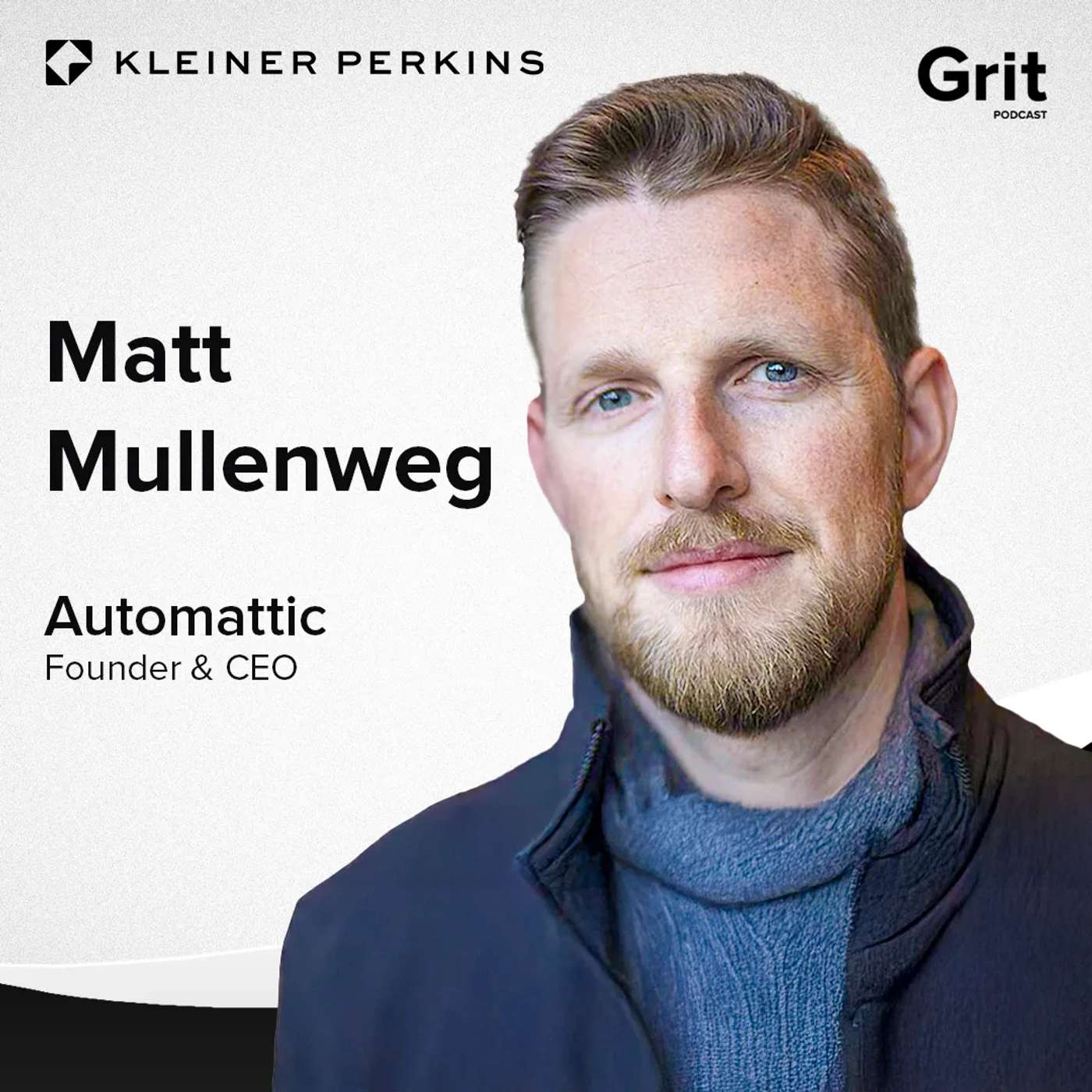
Matt Mullenweg observes a predictable cycle where technology swings from open to proprietary and back. When proprietary systems become too profitable and user-hostile, it creates a market opportunity for open-source alternatives to emerge and capture disillusioned customers.
According to Databricks CEO Ali Ghodsi, monetizing open source requires two consecutive successes. First, the open source project must achieve global adoption. Second, you must build a proprietary, 10x better product on top of it to create a defensible business.
Unlike typical software companies that build addictive products or simply fulfill requests, Palantir's approach is to anticipate and build what its partners *ought* to want in the future. This radical, value-driven strategy builds deep trust and creates an indispensable long-term position with the client.
When asked if AI commoditizes software, Bravo argues that durable moats aren't just code, which can be replicated. They are the deep understanding of customer processes and the ability to service them. This involves re-engineering organizations, not just deploying a product.

As AI and no-code tools make software easier to build, technological advantage is no longer a defensible moat. The most successful companies now win through unique distribution advantages, such as founder-led content or deep community building. Go-to-market strategy has surpassed product as the key differentiator.

Large enterprises don't buy point solutions; they invest in a long-term platform vision. To succeed, build an extensible platform from day one, but lead with a specific, high-value use case as the entry point. This foundational architecture cannot be retrofitted later.

Vercel's CTO Malte Ubl outlines a third way for open source monetization beyond support (Red Hat) or open-core models. Vercel creates truly open libraries to grow the entire ecosystem. They find that as the overall "pie" grows, their relative slice remains constant, leading to absolute revenue growth.

While modern UIs are essential, the backend IBM i (AS/400) platform remains entrenched in many businesses. The reason is its extreme reliability and stability, which would require massive, difficult, and expensive custom software development to achieve on open systems like Linux.

A new 'common source' model is proposed to solve the incentive problem between open and closed-source software. This hybrid approach would allow users to modify the software to fit their needs (like open source) while still enabling creators to monetize their work, preventing exploitation by large enterprises.

Enterprises are comfortable buying services. Sell a service engagement first, powered by your technology on the back end, to get your foot in the door. This builds trust and bypasses procurement hurdles associated with new software. Later, you can transition them to a SaaS product model.