Get your free personalized podcast brief
We scan new podcasts and send you the top 5 insights daily.
The CEO gave up his spot on the NASDAQ stage during the IPO, instead watching from Times Square with hundreds of colleagues. A finance team member instrumental in the process rang the bell. This symbolic gesture reinforced that success is a team effort, not the product of a few executives.
Related Insights
Rippling's CEO models a "go and see" culture by personally investigating customer issues down to the chat logs. This top-down behavior sets the standard for the entire company, ensuring even at scale, teams stay deeply connected to the real customer experience to maintain high product quality.

Beyond providing liquidity and raising a firm's profile, becoming a publicly listed company can give employees a tangible "spring in the step." The ability to see a daily share price and feel part of a growing, visible entity creates a powerful sense of engagement that is often underestimated.

Bending Spoons views its company as its most important product, engineered to be the ideal place for the world's best inexperienced talent. The goal is to create an institution that acts as the ultimate training ground, enabling high-potential individuals to skyrocket their careers.
![Luca Ferrari - Building Bending Spoons - [Invest Like the Best, EP.446] thumbnail](https://megaphone.imgix.net/podcasts/b29cbd80-b93a-11f0-a1b7-2b977c9469a2/image/39f7864ea628f71a81b94662bd4a86df.jpg?ixlib=rails-4.3.1&max-w=3000&max-h=3000&fit=crop&auto=format,compress)
To motivate employees in non-visible roles, McLaren rotates which department is represented on the victory podium with the drivers. Putting their CFO or CMO up there symbolically recognizes the entire department's contribution to the win, fostering a sense of shared purpose.
Klarna's CEO candidly revealed that his management team vowed never to watch the company's stock price after its IPO, but they immediately broke that promise and checked it daily. This highlights the intense, almost unavoidable psychological pressure that public market fluctuations exert on company leadership.

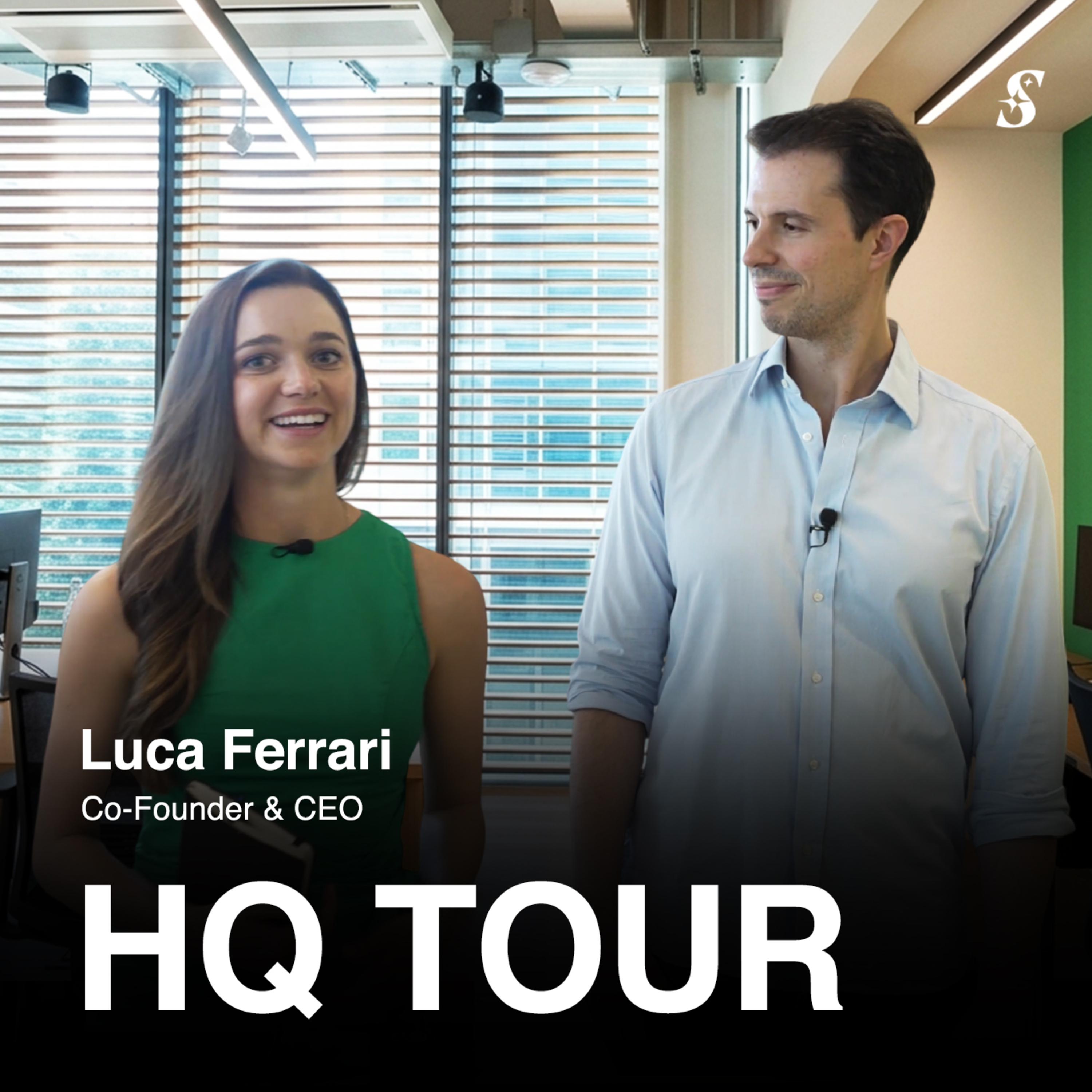
Bending Spoons' CEO Luca Ferrari reveals their IPO was strategically aimed at improving access to debt, not equity. Lenders favor public companies due to their regulatory transparency and clear valuation, making it easier and cheaper to secure the debt that has historically fueled their acquisition-heavy model.

A co-founder and CPO stepped down to promote a more capable product manager. This act reinforced the company's core value that every role, including the founders', is filled by the best person for the job, signaling to all employees that talent and performance are the only path to advancement.
In companies with long development timelines, it's crucial to maintain team motivation. The CEO advises ensuring the business team celebrates lab breakthroughs and the lab team celebrates business milestones. This creates a shared sense of progress and counters the inevitable setbacks of R&D.

An IPO is not a final exit but the start of a public "marriage" with new responsibilities. This mindset shifts focus from the event itself to rigorously preparing the company for the long-term demands of public markets, for instance through simulated earnings calls and disciplined share allocation to long-term investors.

By taking a junior role during Innovation Week, the CEO signals that the event is about grassroots innovation, not management directives. This empowers teams, fosters a flat hierarchy, and allows the leadership team to engage directly with the technology and employees without exerting undue influence.