Get your free personalized podcast brief
We scan new podcasts and send you the top 5 insights daily.
Beyond providing liquidity and raising a firm's profile, becoming a publicly listed company can give employees a tangible "spring in the step." The ability to see a daily share price and feel part of a growing, visible entity creates a powerful sense of engagement that is often underestimated.

Related Insights
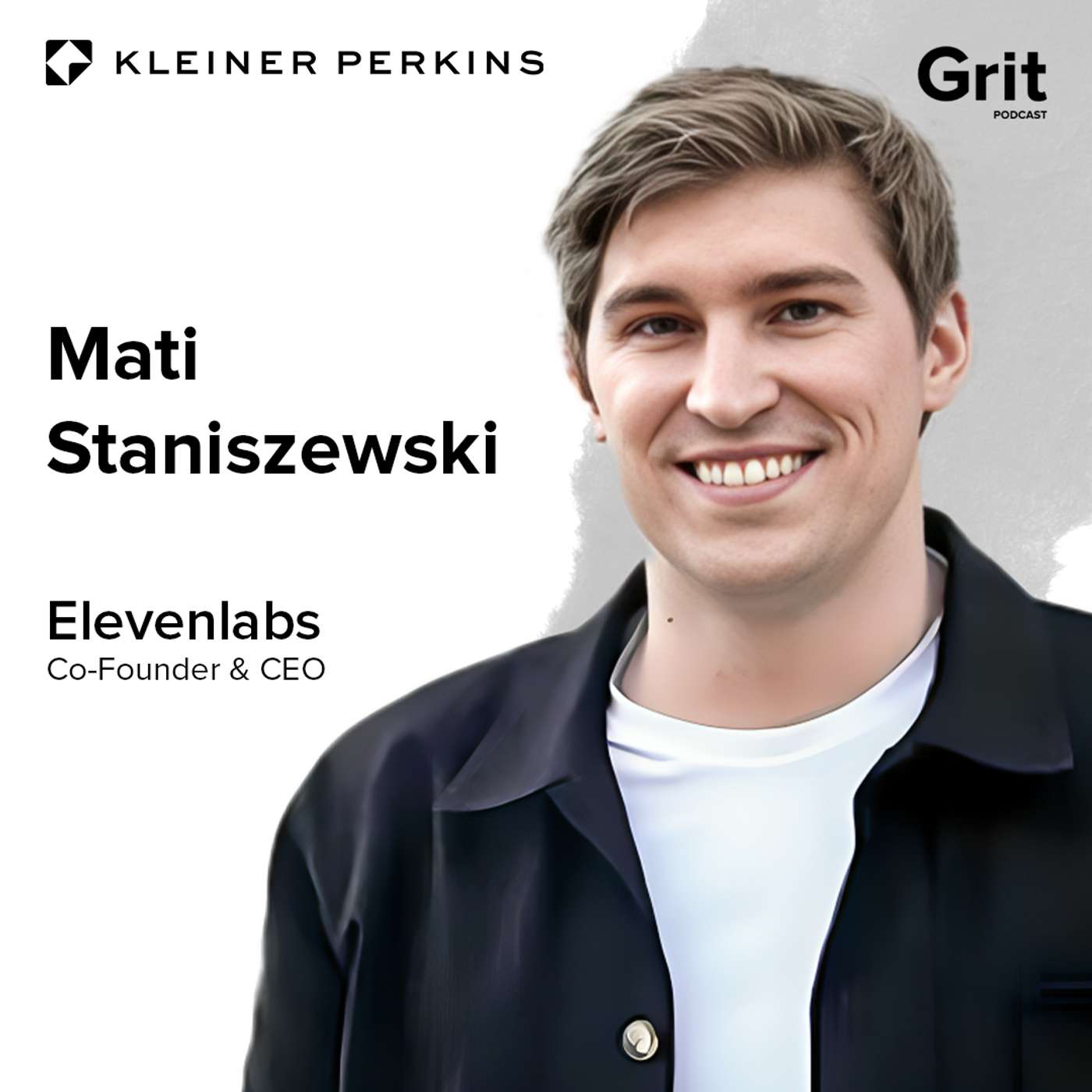
ElevenLabs raised a $100M round entirely for employee secondaries. The CEO's rationale is that by allowing early team members to de-risk and realize financial gains, it solidifies their commitment to the company's multi-year mission rather than creating pressure for a quick exit.
A founder who hoped to one day sell his company to employees was advised to start now. Implementing an Employee Stock Ownership Plan (ESOP) early aligns the team with the long-term mission, shares the burdens of entrepreneurship, and builds a sustainable, purpose-driven culture from the beginning.

Ally reinforces its "brand is everyone's job" mantra by giving every employee 100 shares of company stock annually. This creates a powerful owner's mindset, directly linking the company's success to the brand experience delivered by every individual, from the call center to the C-suite.
PhonePe practices radical transparency by sharing its board decks, complete with financial data like P&L and burn rates, across the entire company. Unrestricted, cross-departmental data access fosters high engagement, ownership, and unexpected innovation.

While many private founders fear going public, David George of a16z claims he's never met a public CEO who regrets it. Key benefits include easier and often cheaper access to capital compared to private markets, increased transparency, and the discipline it instills. The narrative of public market misery is overblown for most successful companies.

The public markets offer a unique advantage over staying private indefinitely: discipline during transitions. Daily stock prices and investor scrutiny force management to confront hard truths and balance growth, profitability, and innovation. As seen with Netflix's pivot to streaming, this pressure is crucial for realigning employee incentives and making tough capital decisions during strategic shifts.
![Henry Ellenbogen - Man Versus Machine - [Invest Like the Best, EP.452] thumbnail](https://megaphone.imgix.net/podcasts/498a0910-d6ea-11f0-aae4-8f837283e00f/image/9b60f0353346cd1b5cbd326c86e22287.jpg?ixlib=rails-4.3.1&max-w=3000&max-h=3000&fit=crop&auto=format,compress)
While bonuses tied to revenue incentivize employees to perform specific tasks, they are purely transactional. Granting stock options makes team members think holistically about the entire business's long-term health, from strategic opportunities to small cost savings, creating true psychological ownership.

Beyond capital access, being a public company offers constant, free marketing. The visibility from quarterly earnings reports, analyst coverage, and media attention can attract acquisition targets, investors, and top talent who might not otherwise have been aware of the company.

A service company's primary asset is its people. To prevent your best talent from leaving and becoming competitors, you must give them significant equity. This transforms their mindset from employee to owner, aligning their interests with the firm's long-term success and growth.
An IPO is not a final exit but the start of a public "marriage" with new responsibilities. This mindset shifts focus from the event itself to rigorously preparing the company for the long-term demands of public markets, for instance through simulated earnings calls and disciplined share allocation to long-term investors.
