Get your free personalized podcast brief
We scan new podcasts and send you the top 5 insights daily.
Klarna's CEO candidly revealed that his management team vowed never to watch the company's stock price after its IPO, but they immediately broke that promise and checked it daily. This highlights the intense, almost unavoidable psychological pressure that public market fluctuations exert on company leadership.

Related Insights
New CEO Mark McLaughlin resisted board pressure for a quick IPO, arguing that going public is a starting line, not a finish line. He first focused on hiring key leaders and building scalable systems to ensure the company could operate successfully in the public markets, not just survive the IPO event.

The demands of the CEO role—focusing on external stakeholders and high-level strategy—inevitably distance them from operational realities. This counterintuitive insight argues against the "Imperial CEO" model and highlights the constant risk of losing touch with the business.
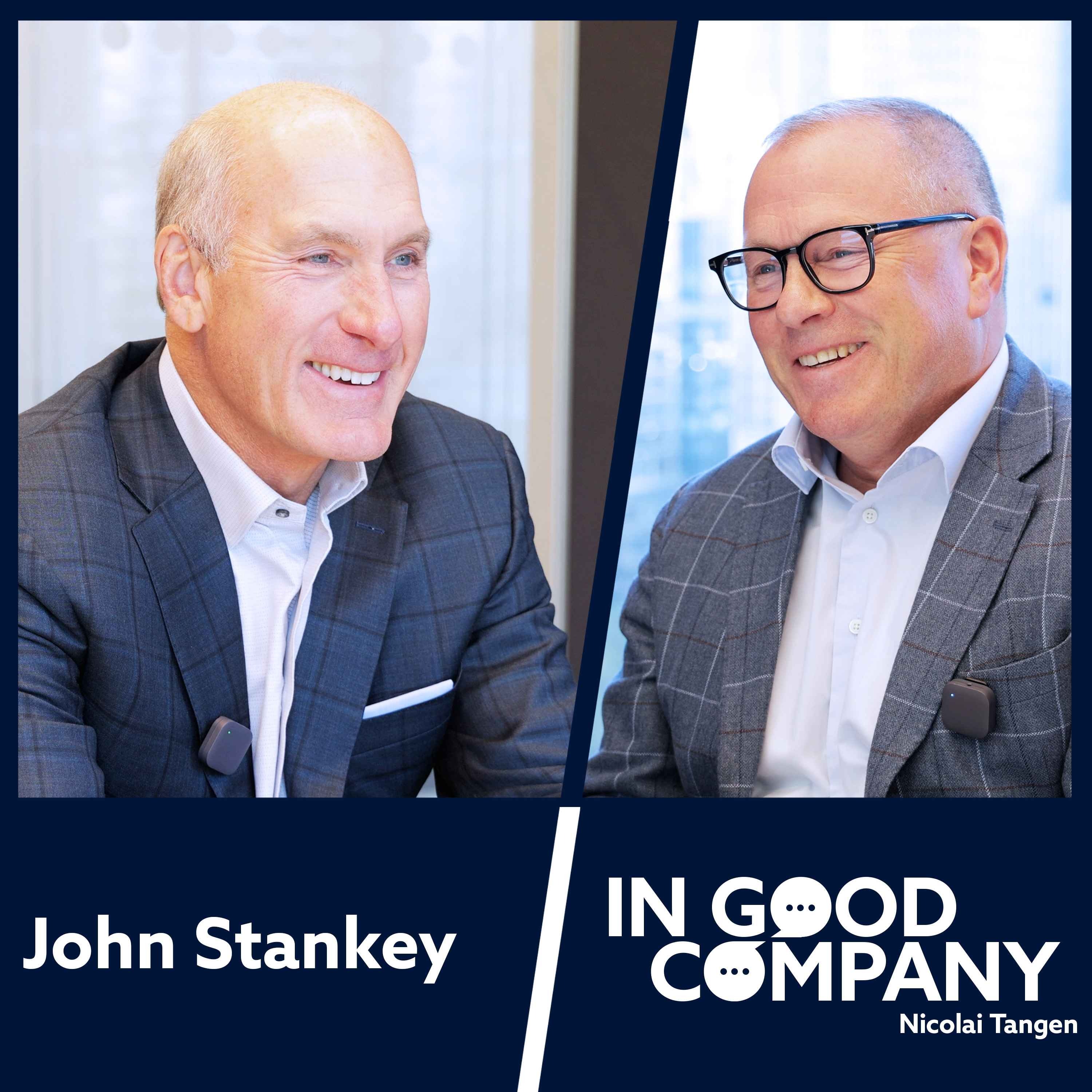
Founders often experience extreme emotional volatility, swinging from euphoria after a win to despair after a setback. The key is to understand that neither extreme reflects the true state of the business. Maintaining a level-headed perspective is crucial for long-term mental health and sustainable leadership.
To combat complacency, Supercell's CEO opened an all-hands meeting by showing an animated slide of their declining global ranking year-by-year. This act of transparent and painful self-critique from the top created the psychological safety and urgency needed to rally the team around a new strategy.

The public markets offer a unique advantage over staying private indefinitely: discipline during transitions. Daily stock prices and investor scrutiny force management to confront hard truths and balance growth, profitability, and innovation. As seen with Netflix's pivot to streaming, this pressure is crucial for realigning employee incentives and making tough capital decisions during strategic shifts.
![Henry Ellenbogen - Man Versus Machine - [Invest Like the Best, EP.452] thumbnail](https://megaphone.imgix.net/podcasts/498a0910-d6ea-11f0-aae4-8f837283e00f/image/9b60f0353346cd1b5cbd326c86e22287.jpg?ixlib=rails-4.3.1&max-w=3000&max-h=3000&fit=crop&auto=format,compress)
When a founder faces a major acquisition offer, the pivotal question isn't just about valuation, but temperament. A board member should ask, "Are you built to be a public company CEO?" The intense stress and public scrutiny aren't for everyone. Pushing a founder who isn't an "IPO guy" to reject an offer can be a disastrous long-term decision.

An employee can be 'fearless' knowing they can find another job. A founder loses this safety net. The psychological burden shifts to a deeply personal responsibility for employees' livelihoods, investors' money, and the vision, making the stakes feel infinitely higher.
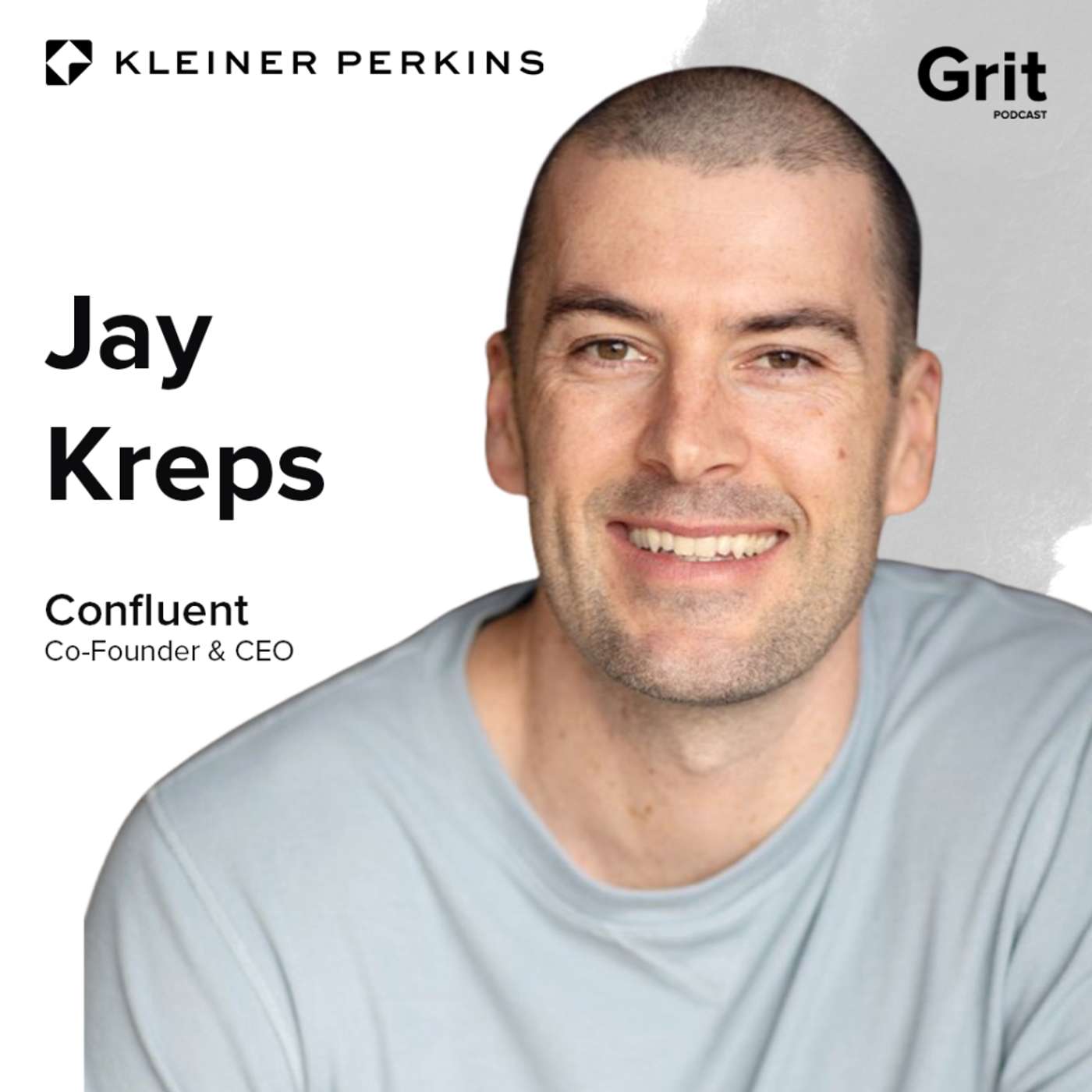
As a public company CEO, Dylan Field actively avoids focusing on daily stock fluctuations. He believes the only controllable factors are the business inputs—improving the product and creating customer value. This is an application of Bill Walsh's philosophy, "the score takes care of itself," to public market management, prioritizing long-term fundamentals over short-term sentiment.

An IPO is not a final exit but the start of a public "marriage" with new responsibilities. This mindset shifts focus from the event itself to rigorously preparing the company for the long-term demands of public markets, for instance through simulated earnings calls and disciplined share allocation to long-term investors.

The ambition to be a CEO isn't just about leadership; it's a practical blend of ego, a need for control, and financial motivation. Critically, it stems from a deep-seated belief in one's own judgment and risk appetite, especially during pivotal market shifts that require bold, swift action.
