Get your free personalized podcast brief
We scan new podcasts and send you the top 5 insights daily.
The era of simple, flat-rate subscriptions for powerful AI tools is ending. Google's introduction of "compute-based usage limits" for its premium Ultra plan, even while lowering the base price, signals an industry-wide shift to hybrid models that combine a base subscription with usage-based charges for complex AI tasks.

Related Insights
As AI's utility and computational cost rise, a flat-rate "unlimited" plan becomes nonsensical. OpenAI signals that future pricing must align with the variable, and often immense, value and cost that power users generate, much like an electricity bill.

Amidst a 48% spike in GPU rental costs, AI companies like Anthropic are shifting heavy enterprise users from flat-rate to usage-based pricing. This move, framed as unblocking power users, is fundamentally a response to the industry-wide compute shortage, directly linking the high cost-to-serve with customer pricing.
Intense demand for AI tokens is outstripping compute supply, making flat-rate SaaS pricing unsustainable. Companies like GitHub are now shifting to usage-based billing to cover escalating inference costs, marking a fundamental change in how AI products are sold and signaling a broader industry trend.
Pure value-based pricing (e.g., per seat) fails for AI products due to unpredictable token costs from power users. Vercel's SVP of Product advises a hybrid model: one metric aligned with value (like seats) and another aligned with cost (like token usage) to ensure profitability.

As more companies integrate AI, their costs are tied to variable usage (e.g., tokens, inference). This is causing a profound, economy-wide transformation away from predictable seat-based subscriptions towards more dynamic usage-based models to align costs with revenue.

The dominant per-user-per-month SaaS business model is becoming obsolete for AI-native companies. The new standard is consumption or outcome-based pricing. Customers will pay for the specific task an AI completes or the value it generates, not for a seat license, fundamentally changing how software is sold.
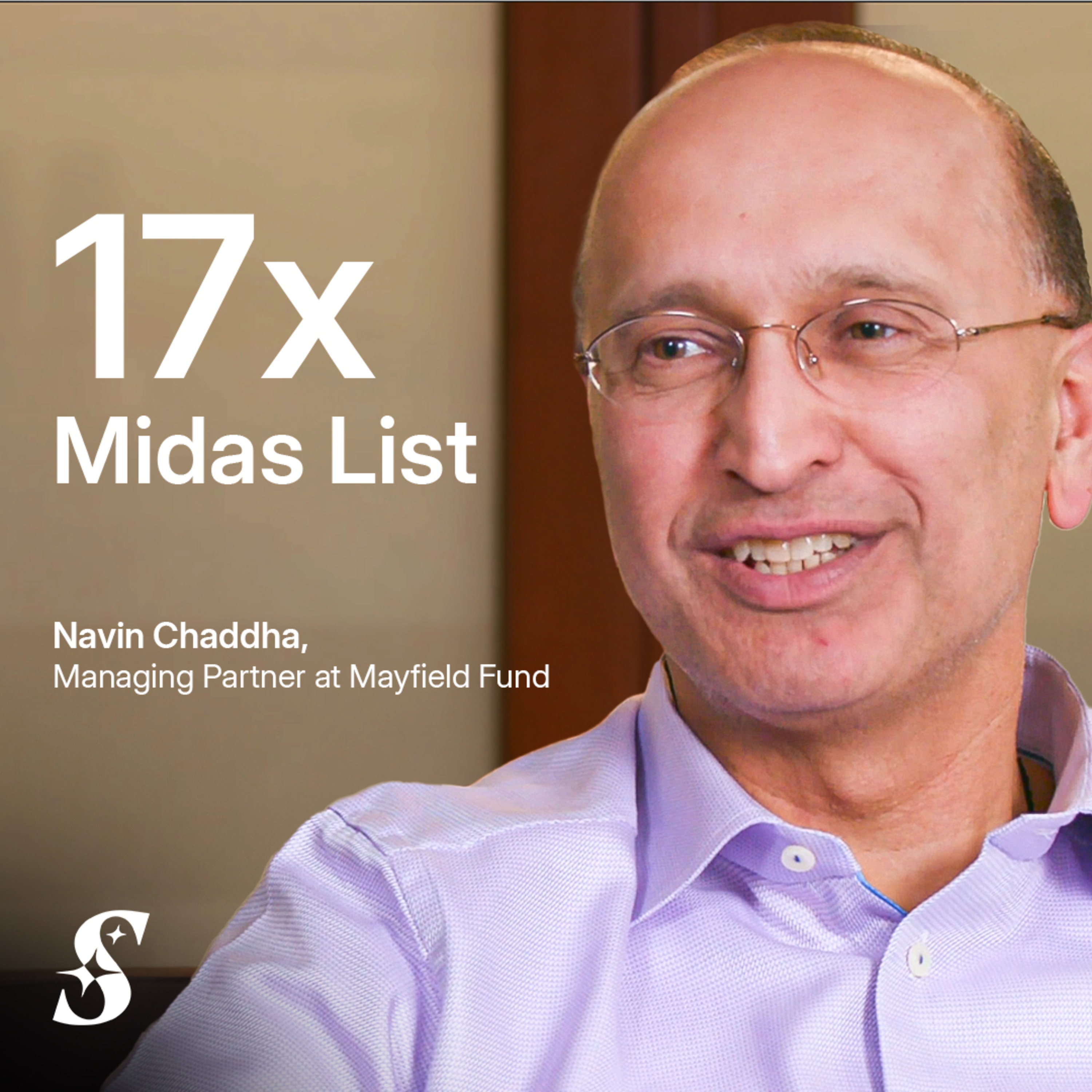
The speaker predicts a hybrid pricing model for AI. A flat subscription fee, like a Costco membership, will grant platform access. However, computationally intensive tasks will be paid for via a credit system, akin to buying products in-store. This solves the problem of offering "unlimited" plans for a variable-cost service.

Anthropic is preventing users from leveraging its cheap consumer subscription for heavy, API-like usage. This move highlights the unsustainable economics of flat-rate pricing for a variable, high-cost resource like AI compute. The market is maturing from a growth-focused to a unit-economics-focused phase.
The move from flat-rate subscriptions to pay-per-use models for frontier AI is a pivotal growth catalyst. Similar to how early cellular plans with overage fees drove massive revenue, this shift unlocks uncapped spending and is predicted to push labs like OpenAI and Anthropic to over $200 billion in ARR.
![Gavin Baker - Watts and Wafers - [Invest Like the Best, EP.473] thumbnail](https://megaphone.imgix.net/podcasts/3bc7d580-53ec-11f1-99c0-3bd245449e4f/image/31563a7dd10ea92493c934f0c1e723fe.jpg?ixlib=rails-4.3.1&max-w=3000&max-h=3000&fit=crop&auto=format,compress)
The shift to usage-based pricing for AI tools isn't just a revenue growth strategy. Enterprise vendors are adopting it to offset their own escalating cloud infrastructure costs, which scale directly with customer usage, thereby protecting their profit margins from their own suppliers.
