Get your free personalized podcast brief
We scan new podcasts and send you the top 5 insights daily.
When a supplier threatens to steal your IP, conventional negotiation may fail. Kim Vaccarella's extreme, visceral threat to burn down the factory was a last-ditch, high-stakes move that immediately ended the manufacturer's plan to sell her bags on their own.

Related Insights
Faced with a lawsuit that personally targeted the founders, Figs rejected the easier path of settling. They chose to fight for four years, viewing it as a responsibility to stand up to a "bully" competitor and prevent them from harming other startups.

When a competitor copies your product, don't assume a costly legal battle is the only option. For a relatively small investment ($500-$1000), a strongly worded cease-and-desist letter from a lawyer can be surprisingly effective at scaring off a less-resourced opponent, making it a high-leverage initial action.

The founder's personal relationship with his Chinese supplier proved to be a key strategic asset. The supplier's refusal to work with the new owner gave the founder crucial leverage to buy his company back cheaply post-bankruptcy.

When factories in China refused to produce his insulated bottle, Travis didn't give up. He rented time on their assembly line and physically built the necessary machine modifications himself, buying screws and metal plates to adapt their equipment. This is an extreme form of taking ownership of the supply chain.
When a large company claims "management won't approve this," you can mirror their tactic even as a solo founder. Create your own external constraint by saying "our policy doesn't allow that" or "my co-founder disagrees," preventing you from being the sole, easily pressured decision-maker.

Lacking industry knowledge can be a negotiating advantage. By instinctively refusing initial offers on pricing and minimums simply because she didn't know any better, Kim Vaccarella secured more favorable terms than a more experienced entrepreneur might have accepted.
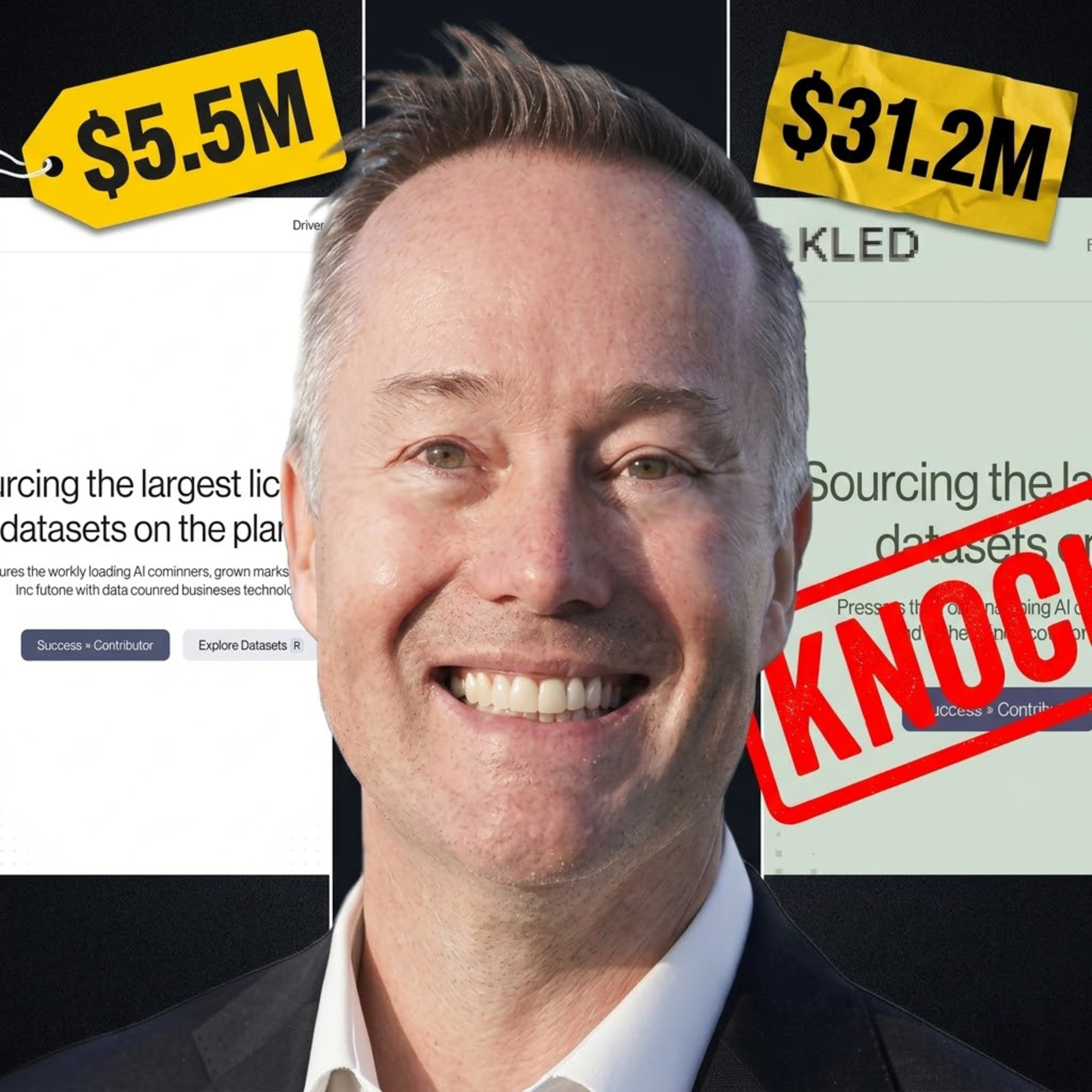
When faced with a blatant copycat and lacking legal resources, a founder's best defense can be a public campaign. This creates social pressure, rallies support, and puts the competitor and their investors on the defensive, as Kled founder Avi Patel demonstrated.
Instead of pursuing legal action against a student who copied her course, Callan Faulkner relied on a spiritual framework. She believes businesses built on a 'cracked vessel' (inauthentic foundations) are karmically destined to fail, freeing her to focus on creating new value rather than fighting.

Paranoid about quality control with their first Alibaba supplier, Unbound Merino's founders flew to the factory for the initial production run. This seemingly inefficient act of being physically present built a strong personal relationship that became their primary safeguard for quality.
After a partner changed a product's formula and wiped out his sales, Daniel Lubetzky learned a vital lesson. For KIND, he insisted on owning the recipes and controlling the manufacturing process to ensure brand consistency and prevent external decisions from destroying his business.