Get your free personalized podcast brief
We scan new podcasts and send you the top 5 insights daily.
Kavak abandoned the common multi-agent workflow model. They now instantiate a unique, long-running agent for each customer, tasked with maximizing that person's lifetime value. This agent maintains memory of all interactions and plans long-term, shifting the company from transactional to relational.

Related Insights
Businesses currently present disconnected personalities to customers across sales, service, and marketing. AI agents can bridge these silos to create a seamless, long-running dialogue that remembers context throughout the entire customer journey, fundamentally transforming the customer relationship.

Kavak rethinks "human-in-the-loop." When an AI agent gets stuck, it doesn't just escalate the task to a human queue. Instead, the agent makes an API call to a human for help, retains ownership of the problem, and learns from the interaction. This closes feedback loops and makes human teams a resource for the primary agent.
The siloed functions of customer-facing teams are an artifact of human limitations. Intercom CEO Owen McCabe argues AI will enable a unified agent to manage the entire customer lifecycle seamlessly, providing one continuous, context-aware conversation from initial contact to support and upselling.

The overhead of maintaining personal AI agents is too high for most employees. The successful model, seen at Shopify and Ramp, is a centralized, company-wide "super-agent" managed by a dedicated team, ensuring it remains reliable and useful for everyone.

In Agentic AI, memory is not just storage but a mechanism for continuity. An AI agent that remembers a user's preferences, history, and context becomes increasingly personalized over time, making it difficult for users to switch to competing services.

Intercom's CEO predicts that companies will abandon separate AI agents for sales, service, and onboarding. A single, coordinated "customer agent" is necessary to avoid conflicting goals and create a seamless, high-touch experience for every user.

Actively AI provides each sales account with its own persistent AI agent. This agent maintains context throughout the account's lifecycle, proactively guiding the human seller on next steps and even executing tasks. The core belief is that this model will lead to a sales world where AI agents vastly outnumber human sellers.

For any product involving ongoing user interaction (support, sales), the key differentiator is not raw model capability but a persistent knowledge base. This allows the AI to remember a user's history across sessions, transforming it from a simple question-answer tool into a stateful, effective partner that understands context.
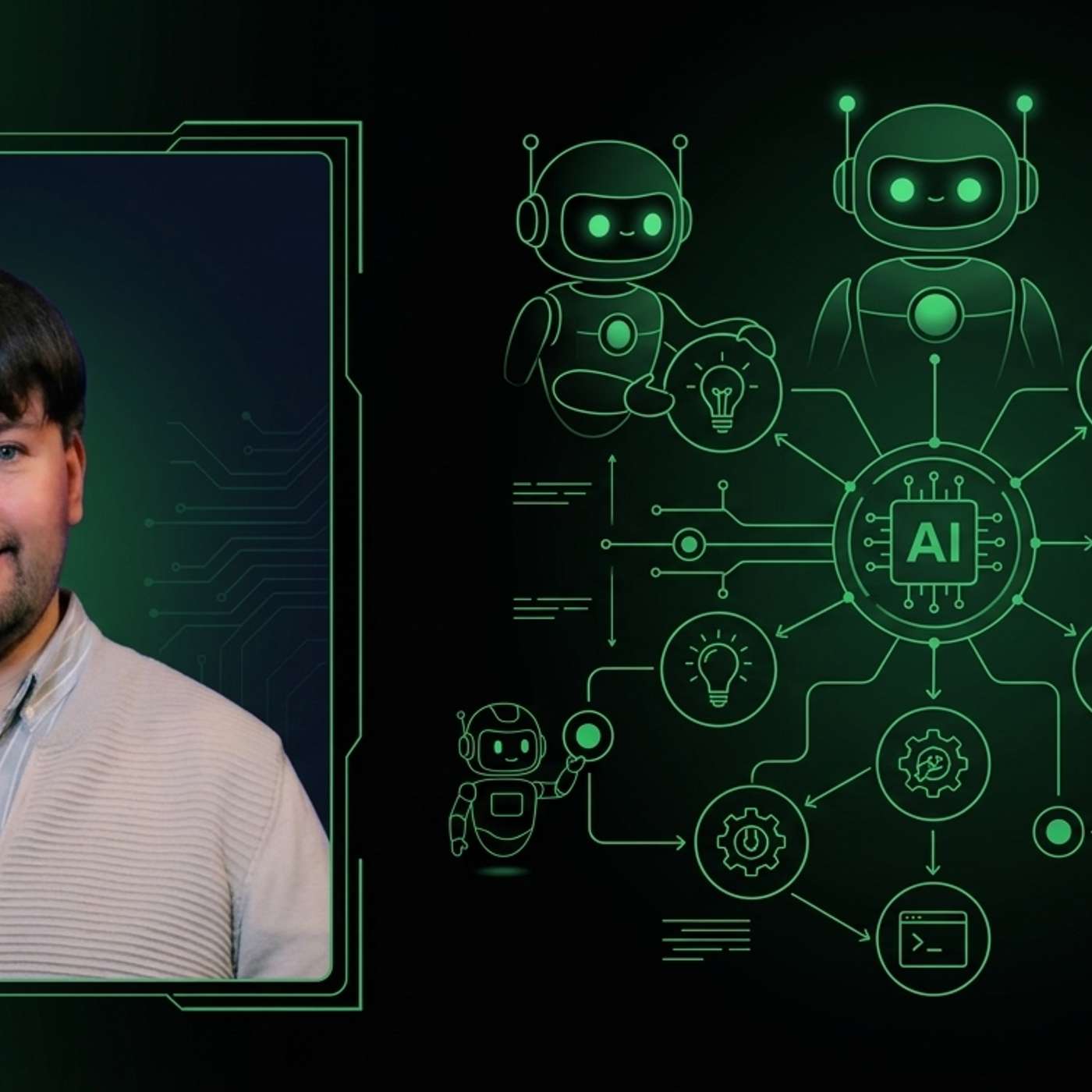
Unlike session-based chatbots, locally run AI agents with persistent, always-on memory can maintain goals indefinitely. This allows them to become proactive partners, autonomously conducting market research and generating business ideas without constant human prompting.

In service businesses, employee turnover leads to a constant loss of client-specific knowledge. AI agents solve this by creating a persistent corporate memory. They can be trained on a client’s unique needs and retain that knowledge indefinitely, ensuring service consistency and operational stability.