Get your free personalized podcast brief
We scan new podcasts and send you the top 5 insights daily.
True economic security isn't just about production capacity; it's about having the "capability"—the qualified know-how and processes. This drastically shortens the 2-3 year time-to-recovery after a supply chain disruption, as qualifying a new fab for a specific product is the most time-consuming step.

Related Insights
By developing and owning the exact specifications for their fabrics—from the yarn to the finish—Faherty can move production between different manufacturers. This de-risks their supply chain from tariffs and geopolitical issues, as the "makers become less important."

A critical asymmetry exists in the US-China competition: It is far harder for the U.S. to rebuild its complex manufacturing ecosystems and tacit process knowledge than it is for China to improve its scientific research capabilities, where it is already making significant strides.
![Dan Wang - The US vs China In The 21st Century - [Invest Like the Best, EP.444] thumbnail](https://megaphone.imgix.net/podcasts/e1599a88-a9f6-11f0-b532-e3695bb27d60/image/0f5c07552cef2689e5834d56786ad6f1.jpg?ixlib=rails-4.3.1&max-w=3000&max-h=3000&fit=crop&auto=format,compress)
Critical manufacturing expertise is not easily codified in manuals; it's tacit knowledge embedded in experienced teams. Offshoring production leads to an irreversible loss of this 'process capital,' hindering a nation's ability to innovate and scale complex industries, as demonstrated by the transfer of German rocket scientists after WWII.

China's durable advantage isn't just its massive workforce but the collective "process knowledge" generated on factory floors. This expertise in solving countless small manufacturing problems cannot be easily written down or encoded in equipment, creating a powerful, hard-to-replicate competitive moat.
A U.S. national security document's phrase, "the future belongs to makers," signals a significant policy shift. Credit and tax incentives will likely be redirected from financial engineering (e.g., leveraged buyouts in private equity) to tangible industrial production in order to build resilient, non-Chinese supply chains.

The push to build defense systems in America reveals that critical sub-components, like rocket motors or high-powered amplifiers, are no longer manufactured domestically at scale. This forces new defense companies to vertically integrate and build their own factories, essentially rebuilding parts of the industrial base themselves.

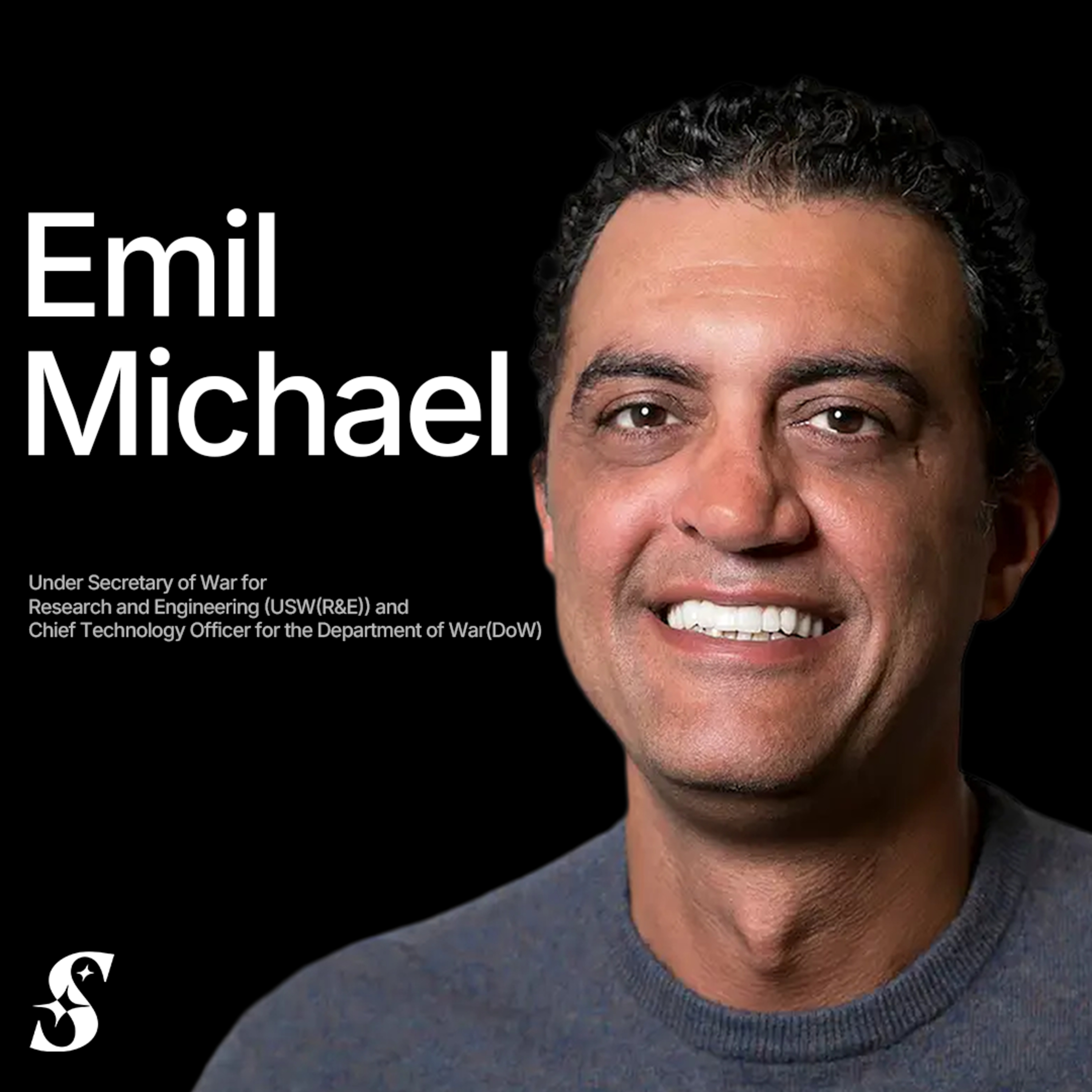
The Under Secretary of War defines the current "1938 moment" not as an imminent war, but as a critical juncture for rebuilding the domestic industrial base. The focus is on reversing decades of outsourcing critical components like minerals and pharmaceuticals, which created strategic vulnerabilities now deemed unacceptable for national security.
Contrary to the popular myth of zero inventory, the Toyota Production System is nuanced. The company strategically stockpiles critical components with unreliable supply chains, like automotive semiconductors, demonstrating that true efficiency balances eliminating waste with building resilience.

Supply chain vulnerability isn't just about individual parts. The real test is whether a complex defense system, like a directed energy weapon, can be manufactured *entirely* from components sourced within the U.S. or from unshakeable allies. Currently, this is not possible, representing a critical security gap.

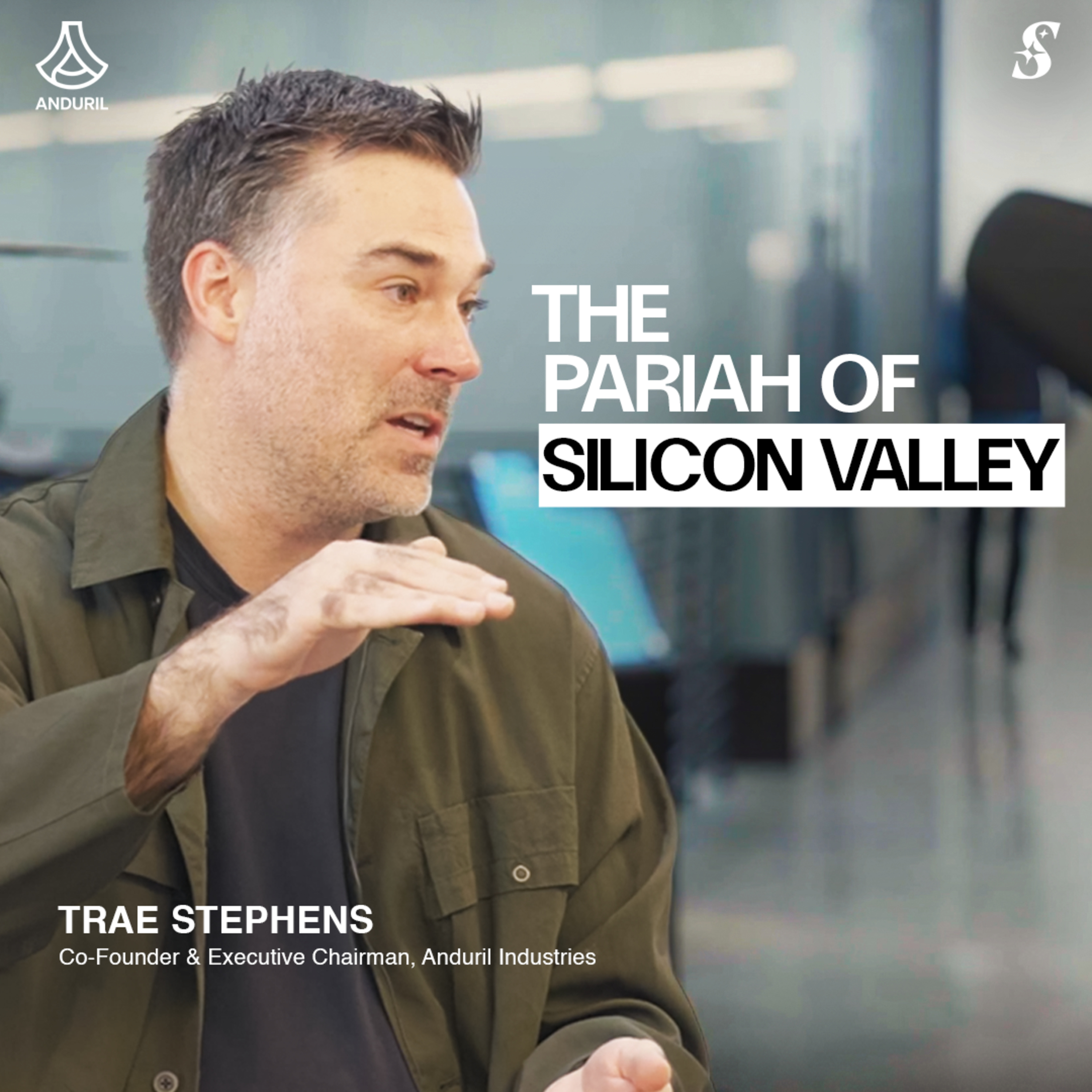
Anduril's co-founder argues America's atrophied manufacturing base is a critical national security vulnerability. The ultimate strategic advantage isn't a single advanced weapon, but the ability to mass-produce "tens of thousands of things" efficiently. Re-industrializing is therefore a core pillar of modern defense strategy.