Get your free personalized podcast brief
We scan new podcasts and send you the top 5 insights daily.
Amy says the book launch reaches people who do not want to read a novel on Substack and prefer the book form. So serialization is not a replacement for launch; it is a separate workshop and audience-building channel. She treats serialization and publication as two distinct sales moments.

Related Insights
Amy serialized Let Me Be Your Ghost chapter by chapter on Substack, and she says it became a huge driver of preorders. Readers follow the draft, give feedback and later buy the final book. The serialized version creates early fans before the launch. It also gives her revision feedback.
Short TV segments act as a teaser, sparking curiosity that drives sales. In contrast, long-form podcasts are so effective at unpacking a book's core ideas that listeners feel they've already consumed the product, which reduces their motivation to buy the actual book.
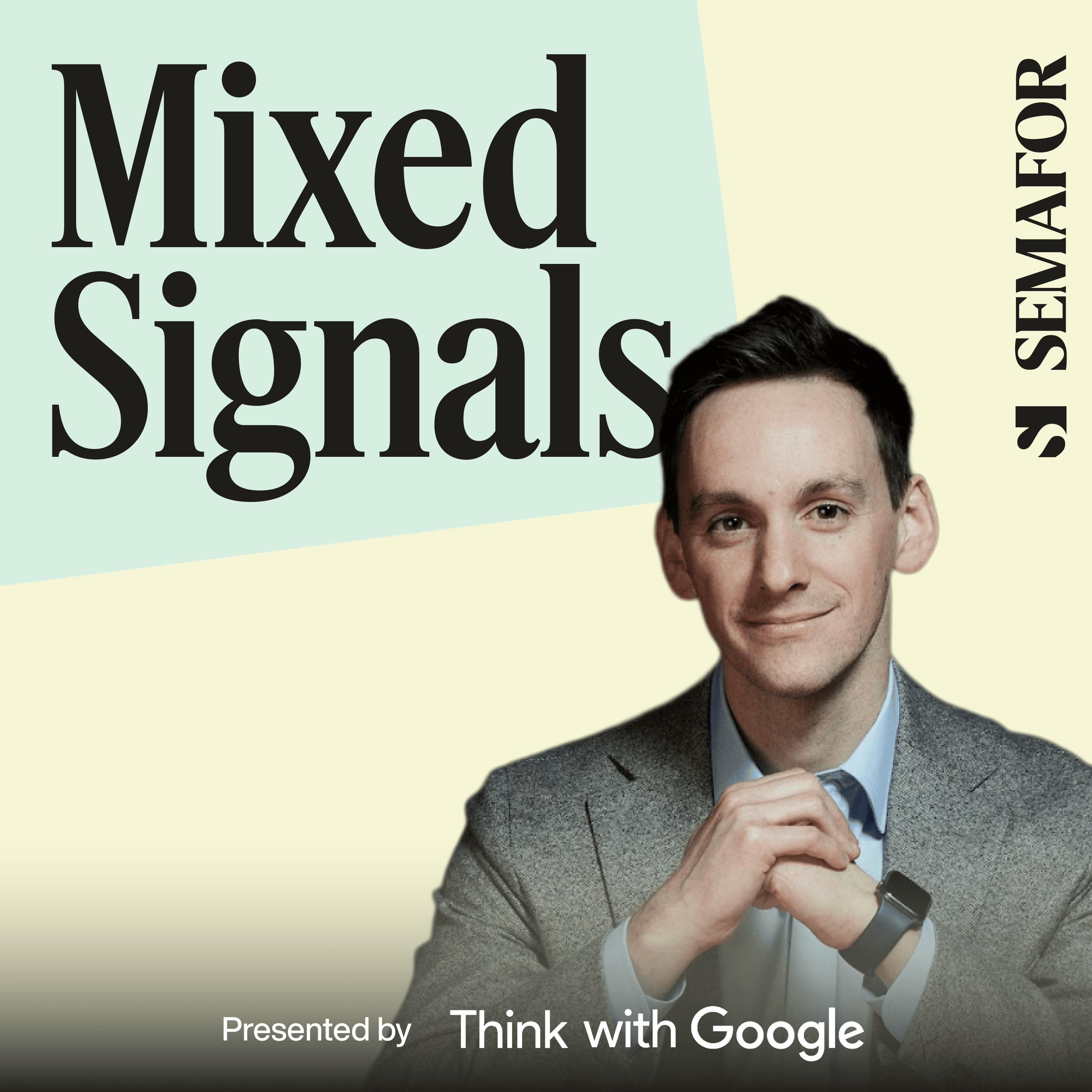
Spotify is enabling a new go-to-market strategy where authors launch books in audio format first. The success and data from the audio launch can then be used to secure deals with major publishers for physical book rights, as seen with author Ali Hazelwood. This flips the traditional publishing sequence.
Legacy publishers focus marketing on a short 2-3 week launch window. This model is flawed, as external events can kill momentum. A better approach is continuous, automated marketing that treats books as long-term assets, ensuring they find their audience over time regardless of launch timing.
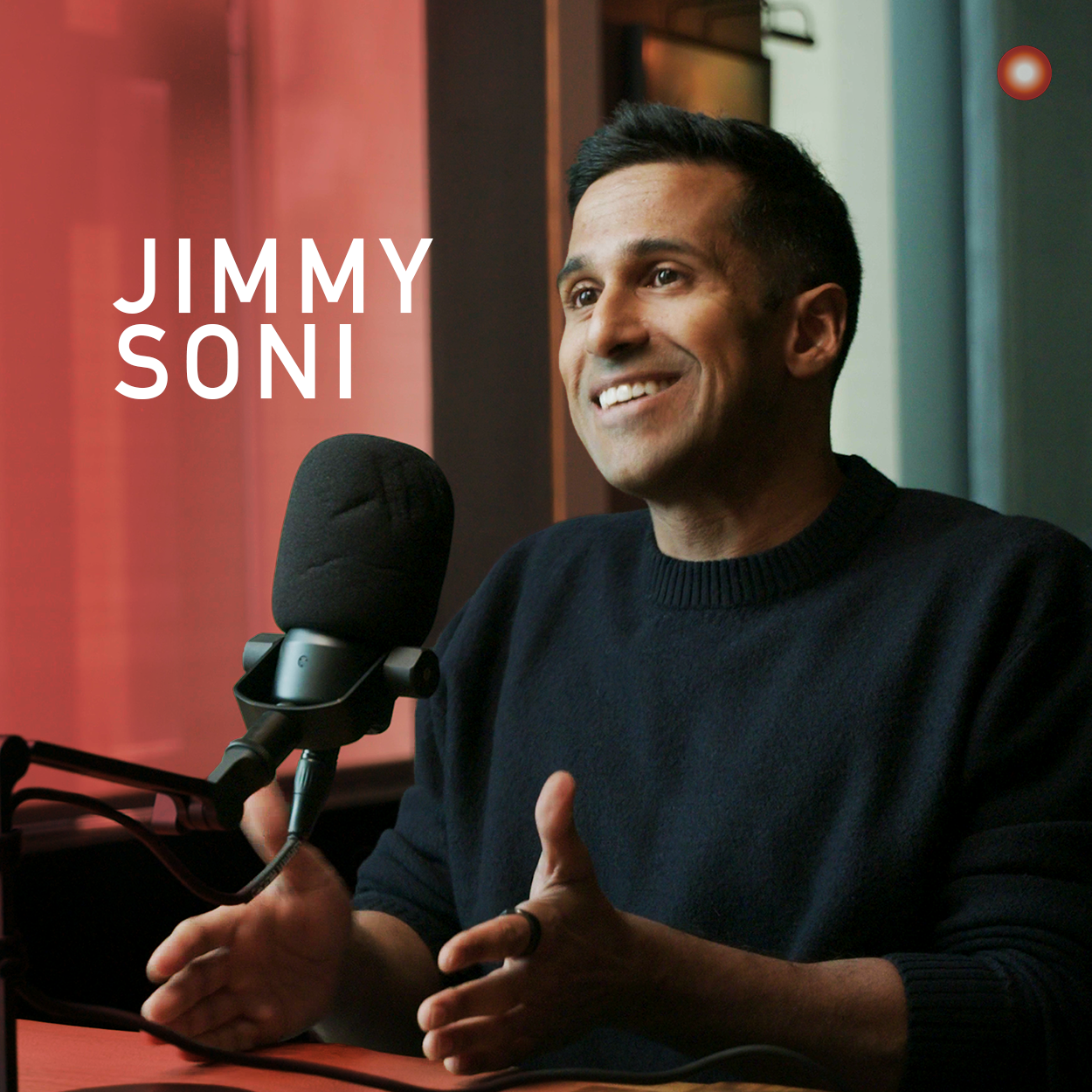
"The Book Club" podcast is designed for two audiences simultaneously. For those who've read the book, it's an enjoyable conversation. For those who haven't, the hosts have "done the reading for you," allowing listeners to appear well-read. This broadens the potential audience beyond just avid readers.
Don't tie your pre-launch timeline to your product's price. The key factor is your audience's current state of readiness. Authors pre-launch a $20 book for six months because they need to build significant audience readiness from a cold state.

Instead of relying on unpredictable Hollywood deals, Gladwell's Pushkin Industries uses a multi-layered approach. A narrative podcast is the low-cost first version, which is then expanded into more profitable audiobooks and print books to reach different audiences with the same core material.

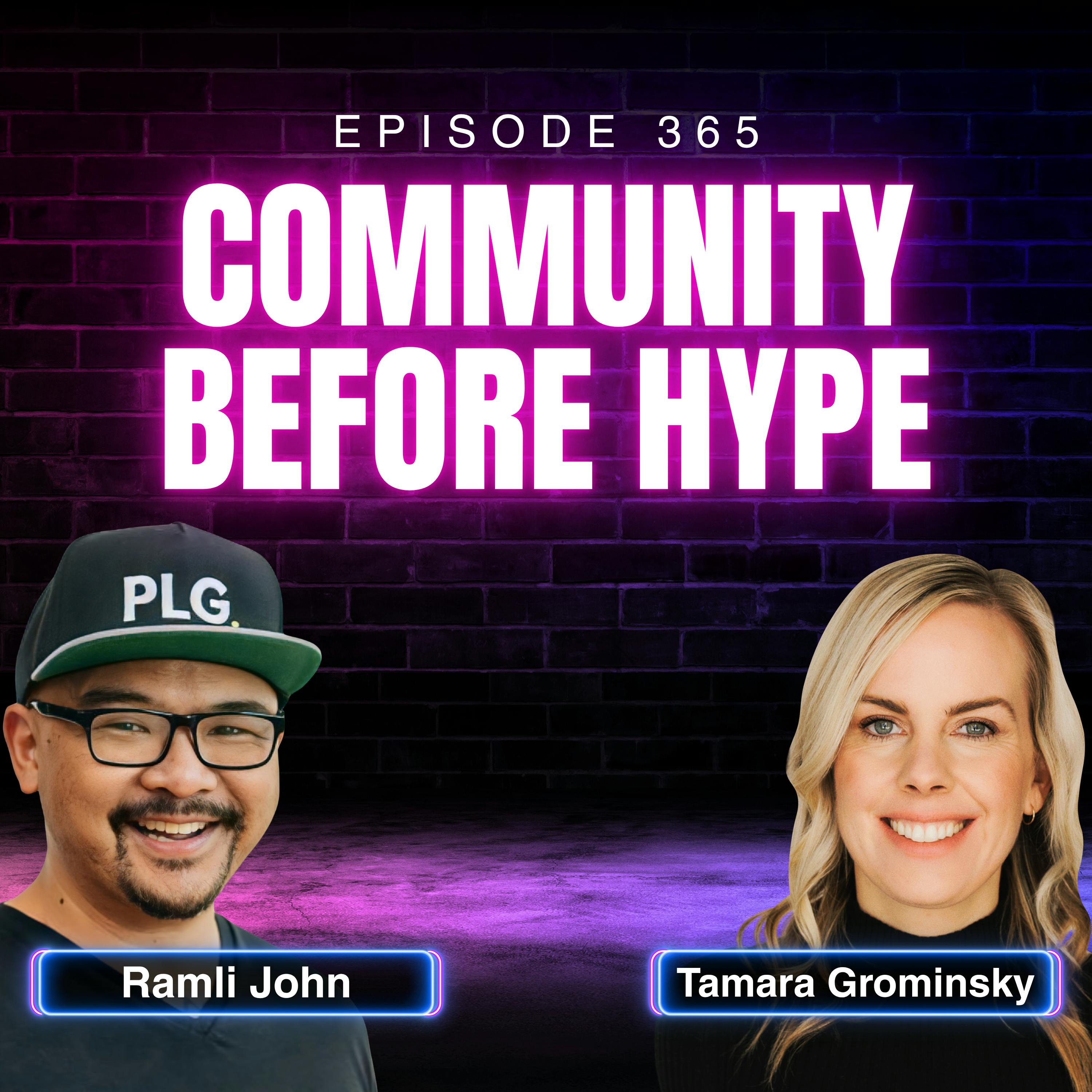
Instead of a simple book launch, Ramli John hosted a virtual summit on the book's topic. This attracted attendees interested in learning, not just buying. The book was bundled into a $47 VIP pass for event recordings, making the purchase feel like a high-value deal and driving thousands in launch-day sales from a new audience.
After Amy wrote a business book that performed well for a tech entrepreneur, she asked herself when she would release her own. That comparison pushed her to package her freelance advice into books and later a Substack. Seeing a client's content compound made the missed opportunity obvious.
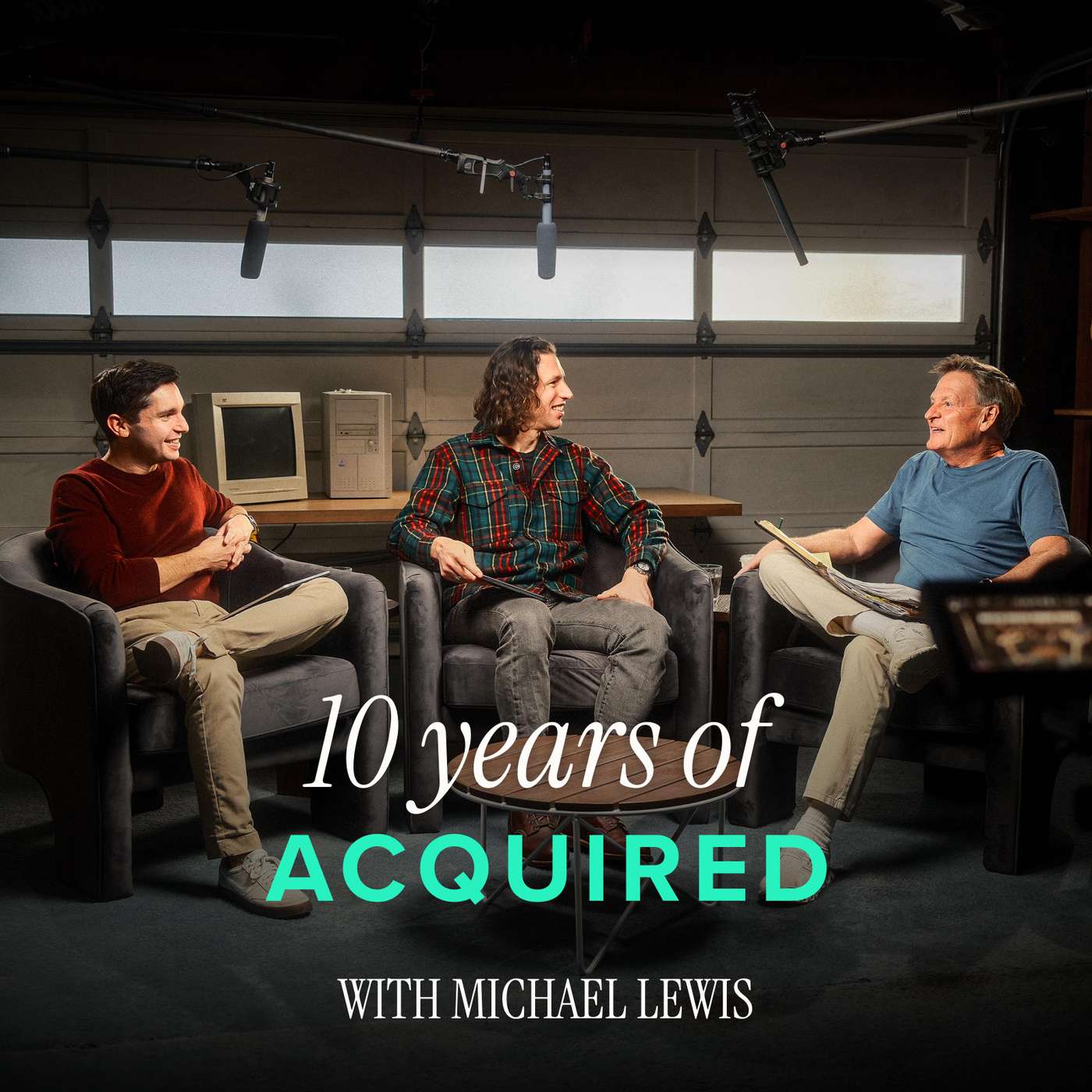
Author Michael Lewis notes his books feel like new startups, while Acquired's podcast format builds a compounding audience. When they release a new "book" (episode), it's automatically delivered to their entire subscriber base, creating a powerful growth flywheel that traditional media lacks.