Get your free personalized podcast brief
We scan new podcasts and send you the top 5 insights daily.
Amy serialized Let Me Be Your Ghost chapter by chapter on Substack, and she says it became a huge driver of preorders. Readers follow the draft, give feedback and later buy the final book. The serialized version creates early fans before the launch. It also gives her revision feedback.

Related Insights
Instead of seeking validation from traditional gatekeepers like writing programs or publishers, share your work directly with the public on social media. This allows the market—your actual potential audience—to decide its value, providing more immediate and meaningful feedback.

When creating a premium product, don't build it in secret. Instead, take your audience along for the development journey. This "building in public" approach builds trust, gathers valuable feedback, and primes your followers to buy at launch.

Ideas are developed systematically. Podcasts explore nascent questions (rehearsals). A developed idea becomes a Substack column to test a thesis (preview). A collection of successful theses forms a book, which in turn becomes the primary currency for lucrative speaking engagements.
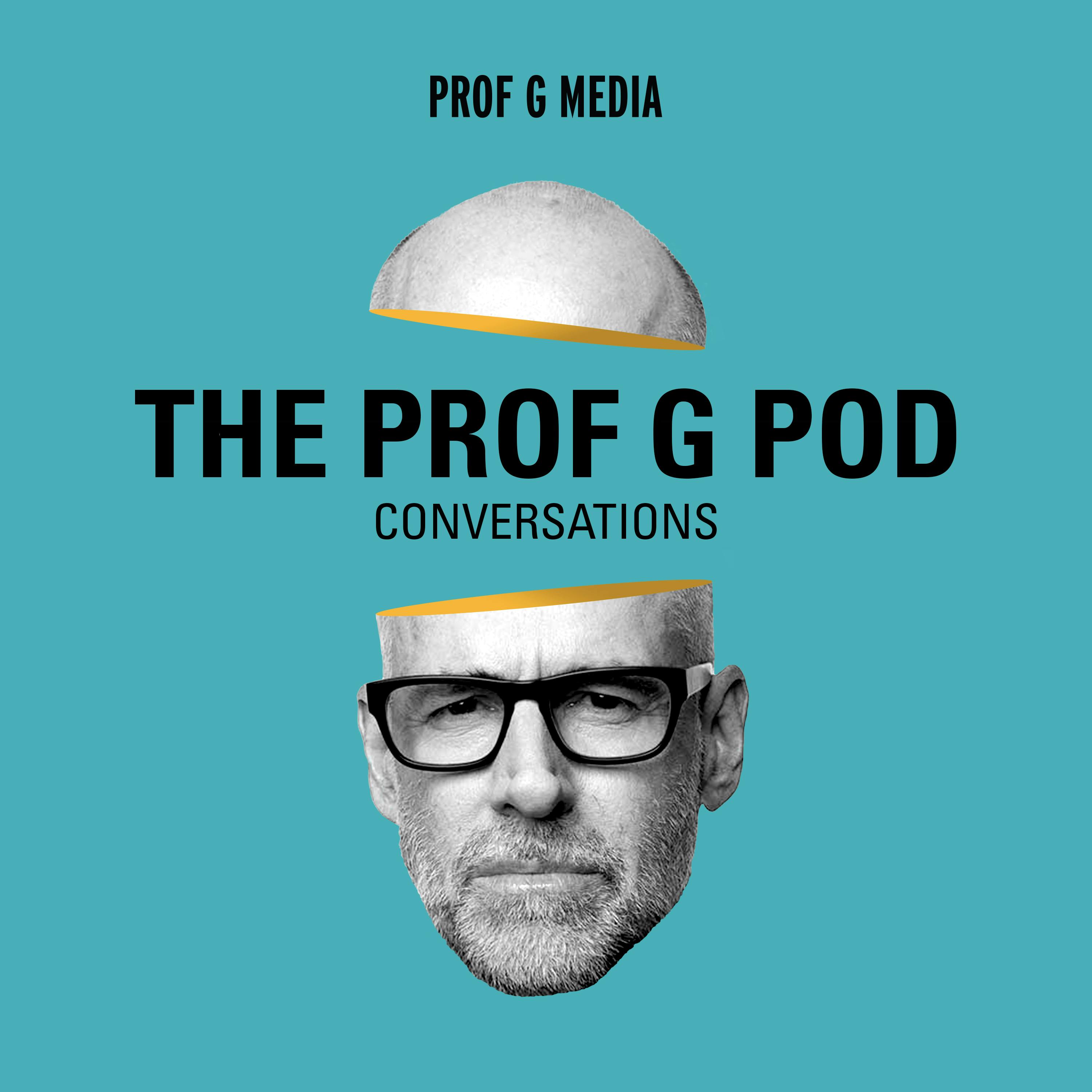
Before launching "The Book Club" as a standalone show, the creators tested the concept as a bonus series for their existing paid "Rest Is History Club" members. The overwhelmingly positive reaction validated the idea and provided an initial audience, de-risking the public launch.
Promote a pre-sale opt-in list to your existing audience to build anticipation. The small segment of your audience (around 10%) who opt-in are highly motivated and can account for as much as 50% of your total sales revenue.

Amy says the book launch reaches people who do not want to read a novel on Substack and prefer the book form. So serialization is not a replacement for launch; it is a separate workshop and audience-building channel. She treats serialization and publication as two distinct sales moments.
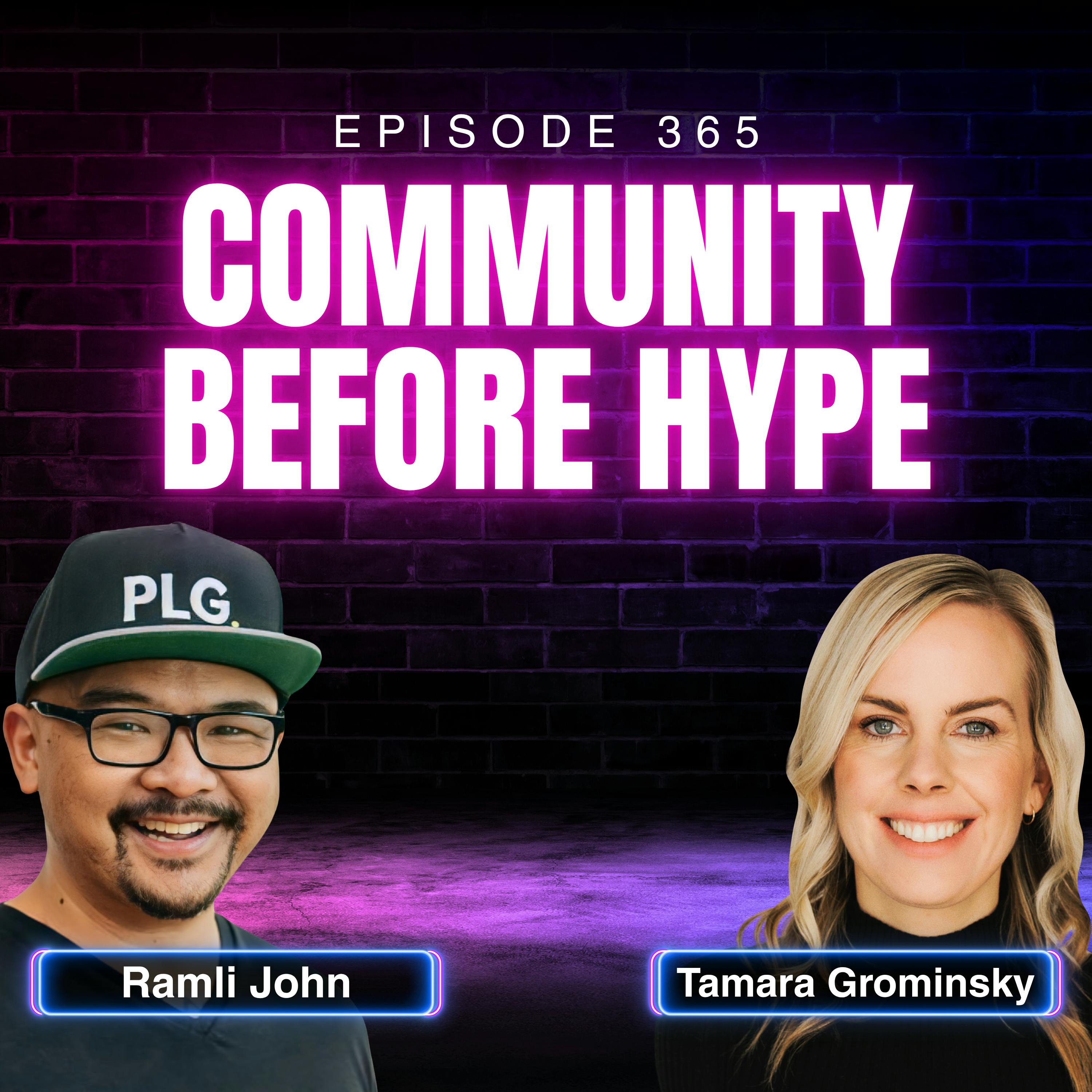
Author Ramli John charged $40 for his "Early Readers Club." This pre-sold his book, generated $4-5k in revenue, and created a committed group of beta readers whose skin in the game led to invaluable, high-quality feedback that shaped the final product.
Pre-orders are not just for chasing bestseller lists; they are a critical signal to brick-and-mortar retailers like Barnes & Noble. For first-time authors, a lack of pre-order demand directly results in a decision not to stock the book, denying it physical shelf space.

Before writing his blockbuster book, Mark Manson tested its core concepts and title as blog posts. When an article titled "The Subtle Art of Not Giving a F*ck" went viral, he knew the idea had a massive, pre-vetted audience. This strategy of using viral content as market validation for a larger product minimizes creative and commercial risk.
After Amy wrote a business book that performed well for a tech entrepreneur, she asked herself when she would release her own. That comparison pushed her to package her freelance advice into books and later a Substack. Seeing a client's content compound made the missed opportunity obvious.